Painted Flag, Real Consequences: the Tanker Chase now has a Diplomatic edge
Subscribe to the Ship Universe Weekly Newsletter
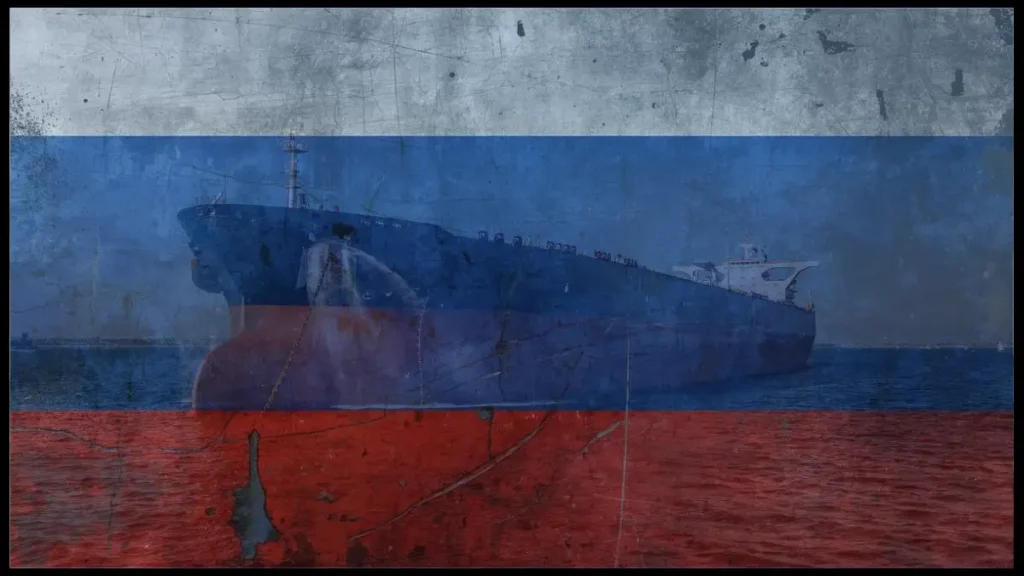
For nearly two weeks, a rust-streaked tanker chased across the Caribbean and into the open Atlantic has turned into a floating test of sanctions enforcement. As U.S. Coast Guard assets trail the vessel, observers say crew members appear to have painted a crude Russian tricolor on the ship’s side, a move that looks designed to raise the political and legal cost of boarding.
Click here for 30 second summary
The tanker chase and the painted flag in one read
Reporting says the U.S. Coast Guard has been pursuing a tanker linked in coverage to sanctions-evasion concerns, and that the ship later appeared with a crude Russian tricolor painted on its side. The visible marking does not prove registry on its own, but it can add uncertainty and raise the perceived political cost of boarding, which can slow decision-making at sea and tighten commercial screening ashore.
-
What happened
A tanker pursued by U.S. authorities was reported to have altered its external appearance by adding a Russian flag on the hull while the chase continued. -
Why the paint matters
Even if symbolic, a sudden nationality signal can complicate intercept choices and increase risk sensitivity for insurers, ports, and service providers. -
Where the ripple shows up first
Expect faster “enhanced due diligence” decisions around insurance coverage, port services acceptance, charterer approvals, and documentation checks tied to registry and class status. -
What to watch next
Whether any formal registry change is confirmed through recognized documentation, and whether the vessel faces detention, denial of services, or other enforcement outcomes tied to the voyage.
The story is less about paint and more about friction: when identity signals get messy during an enforcement action, the cost of doing business around that voyage rises quickly, and the compliance aftershocks can spread across the wider tanker service chain.
Fast situational snapshot
Why a painted flag still matters commercially
A hull marking does not replace formal registry documentation, but it can introduce doubt long enough to change how counterparties behave. In practice, uncertainty drives faster “no” decisions from ports, service providers, and insurers, and it can slow enforcement by raising the political risk of boarding the wrong vessel under disputed nationality claims.
| Event | When (reported) | Where (reported) | Commercial and operational consequence |
|---|---|---|---|
| Interdiction attempt Coast Guard tries to stop and board; vessel continues | Dec 21, 2025 (reporting) | Caribbean Sea (reporting) | Refusal escalates the response: more assets, more scrutiny, and greater reputational exposure for any counterparty connected to the voyage. |
| Extended shadowing Trailing continues for days as the ship heads toward open waters | Late Dec 2025 | Caribbean toward Atlantic | Long pursuits are a deterrence message. They also increase the chance of navigational incidents, fatigue-related errors, or mechanical failures under pressure. |
| Painted Russian tricolor A crude Russian flag appears on the hull | Late Dec 2025 (timing unclear) | At sea | A visual signal can raise uncertainty and diplomatic risk, which may slow boarding decisions and compress timelines for commercial screening actions. |
| Sanctions narrative broadens Reporting ties the chase to Venezuela-linked tanker movements | Late Dec 2025 | Caribbean operating area | When one case becomes public, others get re-checked. Expect spillover tightening across vetting, STS history review, and AIS behavior screening. |
| Stakeholder | Immediate impact | Practical move over the next 30 to 90 days |
|---|---|---|
| Shipowners and managersCompliance exposure rises | More aggressive screening of beneficial ownership signals, management history, and patterns like last-minute documentation changes. | Be ready to prove trading integrity quickly: registry documentation, class status, insurer letters, and voyage records that reconcile with AIS behavior. |
| Charterers and tradersHigher fixture friction | Greater risk of non-performance due to enforcement action, denial of port services, or allegations around cargo provenance. | Strengthen sanctions clauses and insist on enhanced due diligence packages before fixture, not after. |
| Insurers and P&ICoverage questions accelerate | Inconsistencies between declared trading and observed behavior can turn into coverage disputes if detention, damage, or fines follow. | Expect tougher questionnaires around trading patterns, AIS gaps, STS history, and compliance controls at the management company level. |
| Ports and service providersMore conservative acceptance | Terminals, tugs, pilots, bunkering, and chandlery become cautious when identity signals look unstable or politically sensitive. | Refresh screening workflows and escalation paths for borderline cases to avoid last-minute operational chaos. |
| Flag registries and classPressure to show credibility | Public cases intensify scrutiny of registries and documentation trails that appear vulnerable to misuse. | More audits and removals are likely where deceptive patterns are documented, especially around identity shifts and inconsistent AIS behavior. |
The immediate takeaway for shipping is that this incident blends sanctions enforcement with perception management: a simple visual change can introduce enough uncertainty to slow decisions, raise costs, and make counterparties more cautious. Even if nothing “new” happens tomorrow, the compliance aftershocks can linger as charterers, insurers, and ports tighten screening to avoid being the weak link in the chain.
We welcome your feedback, suggestions, corrections, and ideas for enhancements. Please click here to get in touch.