Orderbook Signal: HMM’s $2.8B Bet on LNG Boxships and VLCCs

πŸ“Š Subscribe to the Ship Universe Weekly Newsletter

HMM has confirmed KRW 4 trillion (~$2.8B) in newbuilds: twelve 13,000-TEU LNG dual-fuel containerships at HD Hyundai Heavy Industries and Hanwha Ocean, plus two VLCCs. The boxships expand HMM’s lower-emission mainline capacity into the late-decade delivery window (reported 2027–28), while the crude pair adds long-haul lift. For stakeholders, this resets supply expectations on Asia–Europe/Transpacific mid-sizes and nudges tanker tonnage growth, touching yards, lenders, ports, and fuel/tech suppliers.

HMM Newbuilding Program: Industry Impact
Story Summary Business Mechanics Bottom-Line Effect
Twelve 13k-TEU LNG dual-fuel boxships All twelve are LNG dual-fuel; construction split between HD Hyundai Heavy Industries and Hanwha Ocean. Adds mid-size mainline capacity; positions for IMO/EU emissions regimes; locks premium yard slots. πŸ“ˆ Lower specific fuel/emissions on core strings; πŸ“‰ future rate ceiling pressure if demand lags deliveries.
Two VLCCs added to crude fleet Order includes a VLCC pair to bolster long-haul crude lift; fuel configuration not publicly specified. Taps Korean large-tanker capacity; aligns with replacement cycles and trading flexibility. πŸ“ˆ Fleet renewal supports reliability/charter appeal; πŸ“‰ incremental supply can soften rates in oversupplied windows.
Capex scale: ~KRW 4T (~$2.8B) Material balance-sheet allocation toward late-decade fleet shape and fuel transition. Financing mix likely blends internal cash, debt, and export credit; covenant focus on delivery/margin risk. πŸ“‰ Higher interest/commitment costs; πŸ“ˆ asset values supported by top-tier specs and slot scarcity.
Delivery cadence (reported 2027–28) Staggered handovers slot into post-2026 market, avoiding near-term congestion at yards. Phasing allows chartering and network absorption; preserves optionality on lane deployment. πŸ“ˆ Manageable integration; πŸ“‰ medium-term supply overhang risk if rivals mirror orders.
Regulatory read-through LNG seen as deployable lower-emission step as IMO/EU rules tighten; keeps methanol/ammonia options open later. Dual-fuel hardware plus tank/cargo system choices affect OPEX, ETS/MBM exposure, and resale. πŸ“ˆ Compliance cost hedge vs. legacy tonnage; πŸ“‰ higher capex and fuel-logistics complexity.
Network implications (containers) 13k-TEU class fits Asia–EU and Transpac rotations with gateway flexibility. Right-sizes capacity below 20k+ flagships; enables cascade into secondary lanes. πŸ“ˆ Utilization support in peak seasons; πŸ“‰ off-peak rate discipline tested if supply broadens.
Yard & supplier impact Orders anchor Korean yards and tier-1 systems (engines, tanks, cargo gear) through late decade. Keeps pricing firm and slots tight; strengthens domestic supply-chain visibility. πŸ“ˆ Revenues and backlog for yards/OEMs; πŸ“‰ cost inflation risk on long-lead components.
Tanker market spillover Two VLCCs do not swing the market but add to the late-decade crude orderbook. Impact depends on scrapping pace and crude-flow patterns (Atlantic–Asia, Russia-adjacent trades). πŸ“ˆ Earnings resilience if replacements outpace net growth; πŸ“‰ softer TCEs if demand undershoots fleet additions.
Finance, charters & resale Spec improves charterability and collateral value vs. conventional peers. Banks and charterers prefer newer, compliant tonnage; secondary value buoyed by dual-fuel spec. πŸ“ˆ Better access to term employment/loans; πŸ“‰ higher breakeven requires disciplined deployment.
Who feels it now Korean yards, engine/tank OEMs, and financiers see immediate effects; network gains are back-loaded to deliveries. Pre-delivery cash calls and progress payments begin; hedging and rate outlook guide deployment planning. πŸ“ˆ Near-term industrial revenues; πŸ“‰ carrier FCF tighter during capex drawdown.
Notes: Details reflect public announcements and trade reporting on HMM’s KRW 4T program; VLCC fuel configuration not specified in HMM releases reviewed.
SCOPE
13k TEU Γ— 12 (LNG dual-fuel)
Mainline-capable mid-sizes positioned for late-decade deployment.
TANKERS
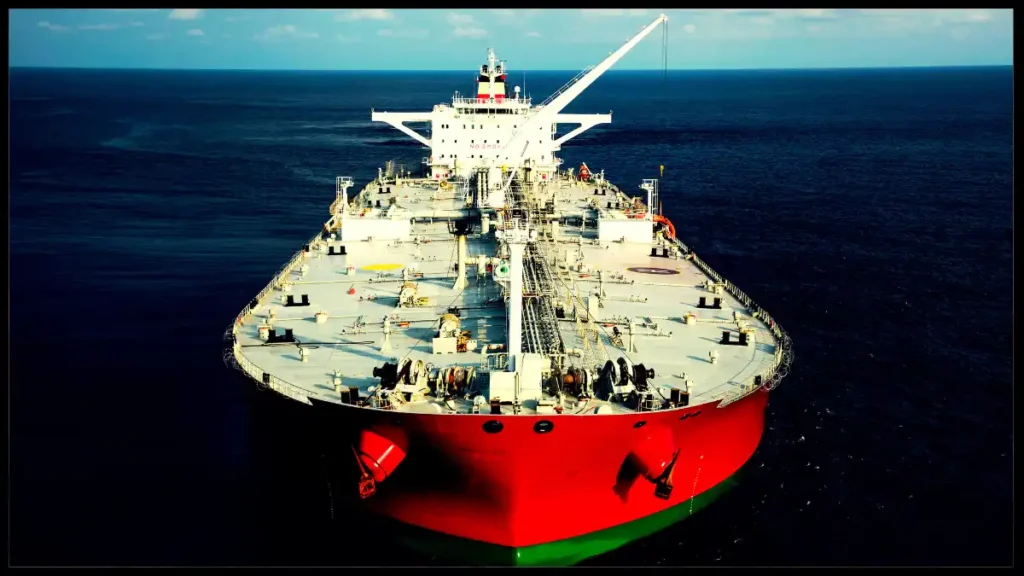
VLCC Γ— 2
Fleet refresh for long-haul crude; market effect depends on scrap pace.
CAPEX
~KRW 4T (~$2.8B)
Progress payments begin pre-delivery; financing mix shapes cash timing.
TIMING
Deliveries: late 2020s
Cadence allows integration across Asia–EU/TP strings and potential cascade.

Delivery Cadence Planner

Illustrative spacing for absorption planning.
Class
Q1Q2Q3Q4
13k TEU (12)
VLCC (2)

Dual-Fuel OPEX Comparator

Illustrative daily fuel cost comparison. Real-world results vary by hull, engine, weather, and load.

$0/day LSFO | $0.00/TEU
$0/day LNG | $0.00/TEU
$0/day MeOH | $0.00/TEU
Winners
Korean large-yard ecosystem Dual-fuel engine & tank OEMs Ports suited to 13k-TEU drafts Term lenders favoring compliant tonnage
Losers
Older, high-CEU legacy tonnage Yards with thin DF supply chains Ports missing alternative fuel services Charterers tied to non-compliant fleets

Yard & Systems Snapshot

Node Role Operational tell
HD Hyundai / Hanwha Ocean Prime construction, mid/large boxship + VLCC capability Slot tightness; workforce allocation; progress payment cadence
Dual-fuel engines & tanks Power & storage systems for LNG mode; integration with cargo ops Long-lead orders, factory test slots, commissioning teams
Alternative fuel logistics Port bunkering and safety protocols for LNG/multifuel Bunker availability windows, training, and SOP certifications
Capex drawdown
Progress payments tighten FCF pre-2027
Utilization assumptions
Mid-size mainline + cascade flexibility
Fuel cost variance
DF OPEX advantage depends on price spreads

Orderbook Context

Segment Context Rate ceiling read-through
Container 12–15k TEU Active ordering cycle; deliveries clustered late decade Ceiling pressure rises if demand underperforms
ULCV 20k+ TEU Selective additions; cascade effects into mid-sizes Mid-size rates hinge on cascade discipline
VLCC Modest net growth; scrap pace is the swing factor Supportive if retirements stay elevated

Capex & FCF Timeline

Pre-2027
Progress payments ramp; working capital tied to long-lead items.
2027–2028
Delivery milestones; initial earnings contribution; integration costs peak.
Post-commissioning
OPEX benefits from newer hulls; debt service and utilization drive FCF recovery.

The additions round out the picture, orderbook context frames how these ships interact with global supply, and the capex/FCF timeline makes the cash cycle explicit. Together with the OPEX and delivery views, stakeholders can see where value accrues now (yards and DF suppliers) and where rate dynamics may tighten or soften as the delivery window approaches.
We welcome your feedback, suggestions, corrections, and ideas for enhancements. Please click here to get in touch.
By the ShipUniverse Editorial Team β€” About Us | Contact