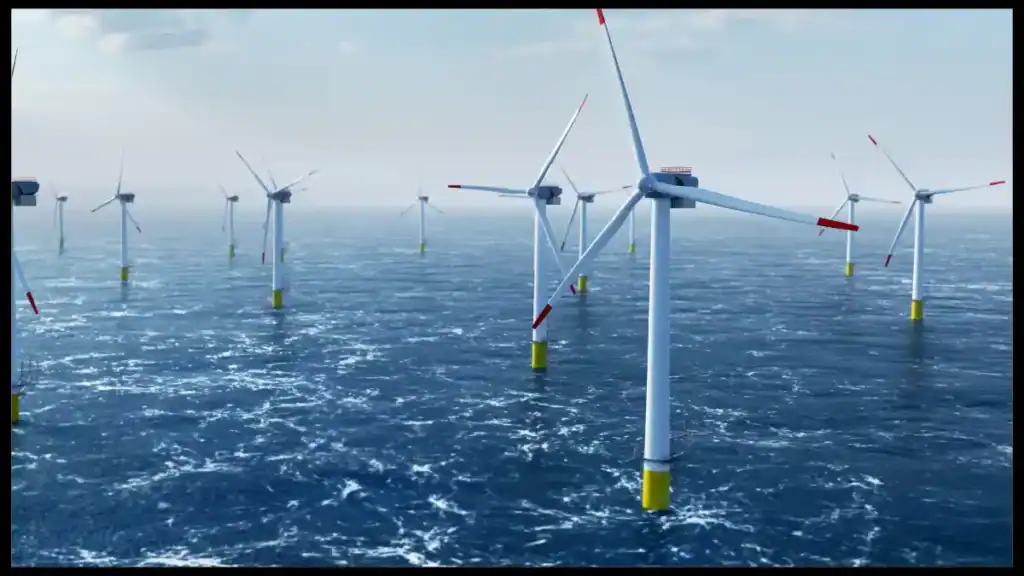
Offshore wind is transforming the very core of global maritime operations. From next-generation hybrid support vessels to billion-dollar port upgrades and critical supply chain overhauls, the shipping industry is rapidly adapting to meet the demands of offshore wind expansion. Below is a detailed look at how key players are building fleets, securing long-term contracts, and redesigning infrastructure to support the future of clean energy at sea.
Recent Offshore Wind Maritime Developments
Project or Policy
Details
Maritime Impact
Strategic Significance
North Star Hybrid SOV Orders
Two new 87.5m hybrid-electric, methanol-ready SOVs ordered from VARD, with builds in Romania and Vietnam.
Expands fleet capacity for wind farm maintenance; supports cleaner operations.
Strengthens North Star’s role in servicing UK and German offshore wind projects.
RWE–North Star Charter Agreement
10–12 year charters for Grampian Eagle and Grampian Kestrel; options for two more newbuilds.
Ensures vessel availability for UK and German wind farms like Triton Knoll.
Adds stability to SOV deployment schedules; creates ~200 maritime jobs.
UK Crown Estate £400M Investment
Funds allocated to upgrade ports, build turbine infrastructure, and support wind vessel construction.
Modernizes port handling for large turbines and floating platforms.
Anchors offshore wind supply chain leadership within the UK.
Japan Hokkaido Wind Zones
Two new offshore wind auction sites announced for northern Japan as part of 45 GW target by 2040.
Increases regional demand for installation and service vessels.
Drives vessel activity in Asia-Pacific and reduces fossil dependency.
Germany Magnet Sourcing Strategy
New plan to reduce reliance on China for rare-earth magnets used in wind turbines by 2030–2035.
Improves resilience in wind component logistics and cargo operations.
Boosts energy security and supports scaling to 30 GW offshore capacity.
Note: Verified data compiled from official press releases, industry briefings, and other maritime sources.
Industry Impact Overview
The rapid rise of offshore wind is triggering major shifts across the maritime industry. From vessel retrofits and training programs to new logistics hubs and competition over skilled crews, the ripple effects extend far beyond wind farms themselves. Operators, ports, and equipment providers are racing to align with this surging sector while navigating bottlenecks in talent, infrastructure, and component flow.
Key Impacts
Surge in retrofits for existing vessels to meet offshore wind contract specs (DP upgrades, alternative fuel conversions).
Growing demand for trained crew familiar with wind farm operations and hybrid vessel systems.
New offshore wind service hubs emerging in Scotland, Norway, and Northeast Asia.
Pressure on yards and suppliers to prioritize wind-related builds over traditional commercial ship orders.
Charter rate inflation for multipurpose vessels and SOVs due to long-term wind contracts locking up capacity.
New logistics routes forming around turbine staging, floating platform towage, and installation vessel corridors.
Emerging Maritime Trends from Offshore Wind Growth
Trend
What’s Happening
Industry Response
Outlook
Crew Shortage for Wind Support Vessels
Rapid SOV fleet growth has outpaced availability of qualified offshore crew.
Training centers in UK, Netherlands, and Taiwan expanding wind-specific maritime programs.
Shortage likely to persist through 2027 unless certification bottlenecks ease.
Retrofitting of Legacy OSVs
Older offshore vessels are being upgraded with dynamic positioning and green tech to qualify for wind farm support work.
Shipyards in Poland, UAE, and Singapore report full retrofit schedules.
Retrofits seen as lower-cost alternative to newbuilds through 2026.
Rise of Regional Wind Logistics Hubs
Ports like Montrose (UK), Eemshaven (NL), and Kitakyushu (Japan) are expanding to host turbine staging and SOV basing.
Local governments and developers co-funding infrastructure upgrades.
Expected to reshape vessel routing and reduce downtime.
Contract Lock-In for SOVs
Charters of 10+ years are tying up large portions of SOV fleets.
Operators shifting to speculative newbuilds to keep fleets flexible.
Charter scarcity expected to push rates up 20–30% by 2026.
Component Flow Disruptions
Port congestion and long lead times for nacelles, blades, and magnets impacting vessel schedules.
Specialized carriers and float-on/float-off vessels in high demand.
Bottlenecks remain likely into 2026 as demand outpaces supply.
Note: Trends validated through maritime labor reports, charter analytics, shipyard activity logs, and port expansion data.
We’ve been watching the offshore wind sector reshape maritime operations in real time. What started as a niche area is now influencing everything from vessel design to port development and crew training. The industry is adapting quickly, but there are still real challenges around capacity, supply chains, and long-term strategy. We’ll continue tracking how these developments unfold and what they mean for stakeholders across the global maritime landscape.