MSC Orders Eight More 11,500 TEU Dual-Fuel Container Ships at Jinglu, Deliveries Through 2029
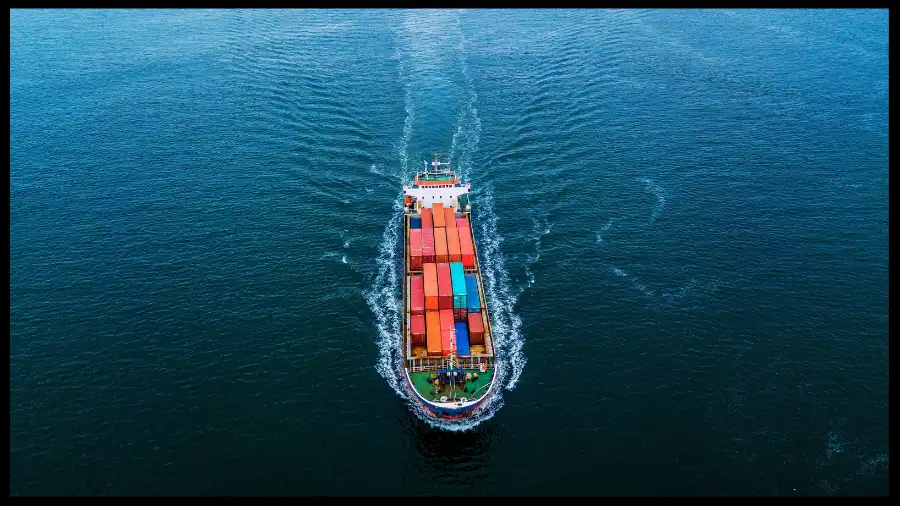
MSC has been linked to an additional eight 11,500 TEU LNG dual-fuel containerships at Penglai Zhongbai Jinglu Shipyard, expanding the series at the yard to 16 sister ships following an earlier batch ordered in 2024. Industry reporting indicates the new vessels are scheduled for delivery in 2029, adding another clear datapoint to the mid-size dual-fuel order pipeline.
Subscribe to the Ship Universe Weekly Newsletter
Click here for 30 second summary
MSC and Jinglu: mid-size dual-fuel pipeline update
Industry reports say MSC has added eight more 11,500 TEU LNG dual-fuel containerships at Penglai Zhongbai Jinglu Shipyard. The new tranche is described as matching an earlier eight-ship order, expanding the sister-ship series at the yard to 16 vessels in total. Deliveries are reported to run through 2029.
-
Order size
8 additional ships at about 11,500 TEU each, lifting the Jinglu series to 16 sister ships. -
Fuel specification
LNG dual-fuel propulsion is described as the baseline for the series. -
Timing
Delivery timing is reported as long-dated, with the schedule running through 2029.
The signal is added visibility: another eight mid-size dual-fuel ships extend supply clarity into 2029 while underscoring continued scale commitment to LNG dual-fuel in the 11,000 to 12,000 TEU segment.
| Reader shortcut | Order snapshot | Yard and timing | Fleet and network fit | What to watch next |
|---|---|---|---|---|
| Series doubles |
Eight additional 11,500 TEU LNG dual-fuel containerships reported, lifting the Jinglu series to 16 ships.
Earlier batch was reported in 2024, followed by this top-up.
|
Penglai Zhongbai Jinglu Shipyard cited as the builder.
Deliveries reported to be scheduled in 2029.
|
11,500 TEU sits in the mid-size band that can work both on secondary east-west strings and high-volume regional relay lanes. | Any confirmed delivery spread within 2029, plus named design details as contracts firm up. |
| Fuel choice signal |
LNG dual-fuel propulsion is reported as the baseline specification for the series.
Adds to the visible count of dual-fuel boxship orders in this size range.
|
The long lead time points to a committed pipeline rather than a near-term deployment change. | Dual-fuel mid-size tonnage fits compliance-focused trades and networks seeking optionality across port and emissions regimes. | Whether the ships are described as LNG-only dual-fuel or also “ready” for additional future fuel pathways in design notes. |
| Capacity math |
8 ships at 11,500 TEU equals about 92,000 TEU of nominal added capacity on this tranche alone.
Combined series: about 184,000 TEU nominal at Jinglu.
|
The delivery year concentrates the supply signal into a defined window rather than being spread thin across multiple years. | Mid-size additions can pressure charter demand for similar ships and influence cascading patterns when larger vessels redeploy. | Any parallel order activity at other yards that expands the same size band into 2028 to 2029. |
| Competitive positioning | The order reinforces that MSC continues to expand owned supply visibility in a segment used for both trunk support and regional density. | Long-dated deliveries also reduce execution risk around securing near-term tonnage, but do not change this season’s capacity. | Expect the network use-case to track port constraints and canal economics, since 11,500 TEU remains widely deployable. | Route allocation clues: which loops, alliances, or standalone strings these ships are later associated with. |
| Yard demand read | Expanding a sister-ship series typically indicates repeatable design economics and yard confidence in the production line. | Watch for firming of slot timing, equipment packages, and class details in follow-on disclosures. | A large repeat series can standardize spares, training, and performance benchmarking across a fleet segment. | Any reported price guidance and whether additional options exist beyond the latest eight. |
Eight additional 11,500 TEU LNG dual-fuel containerships are reported at Penglai Zhongbai Jinglu, lifting the series to 16 sister ships.
This tranche is reported as long-dated capacity, with deliveries scheduled to run through 2029.
LNG dual-fuel propulsion is described as the backbone of the design, consistent with a repeat sister-ship build program.
This MSC top-up is a clean pipeline datapoint: a repeat-series order in a widely deployable size band, paired with a long-dated delivery window that keeps mid-size supply visibility building into 2029. The next concrete markers to watch are when the yard slot timing and technical specification are confirmed in more detail, because those details determine how quickly this capacity becomes “real” for network planning, fuel procurement, and competitive positioning in the 11,000 to 12,000 TEU segment.
We welcome your feedback, suggestions, corrections, and ideas for enhancements. Please click here to get in touch.