The maritime industry is navigating a turbulent mix of geopolitical shocks, trade realignments, and major investment moves. Tariffs and sanctions are reshaping global cargo flows, while record-breaking port volumes, new shipyard consolidations, and green propulsion orders are redefining future competitiveness. Below is a breakdown of ten current developments and how each directly affects the bottom line for shipowners, ports, financiers, and cargo stakeholders.
The US raised duties on Indian exports up to 50% in response to India’s Russian oil imports. Affects exporters, carriers, and logistics providers.
Drives trade diversion, lowers cargo volumes on India–US routes, and raises logistics costs.
📉 Negative for Indian exporters and carriers tied to that trade. Potential volume shift to alternative markets.
India’s Russian Oil Gains Erased by Tariffs
India’s discounted oil imports from Russia saved billions, but punitive US tariffs removed most of the cost advantage. Affects refiners, tanker flows, and energy traders.
Margins on Russian crude narrow, prompting refiners to reconsider sourcing strategies.
📉 Refiners lose savings, 📈 possible tanker reallocation as trade patterns adjust.
Russia’s Arctic LNG 2 Cargo Lands in China
A sanctioned LNG cargo from Arctic LNG 2 reached China after a year-long halt. Impacts LNG carriers, insurers, and global energy markets.
Signals shifting enforcement, expands global LNG availability, alters freight demand and risk premiums.
📈 Positive for Chinese buyers and LNG carriers. 📉 Raises compliance and sanction risk for Western firms.
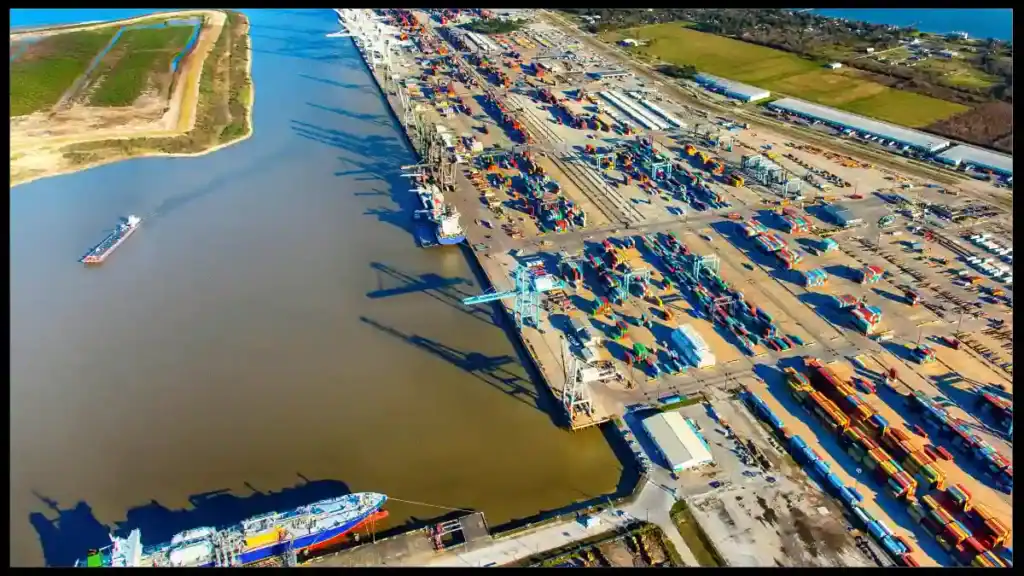
Port Houston Records 21% Growth
July volumes surged to nearly 393,000 TEUs, up 21% year-on-year. Impacts port revenues, trucking, rail, and carriers using Gulf gateways.
Higher throughput strengthens Houston’s role as a US Gulf hub and drives demand for hinterland logistics.
📈 Strong upside for port revenues and service providers. Competitive pressure on rival ports.
India’s $1 Trillion Maritime Investment Plan
India unveiled a roadmap to invest $1 trillion in ports, shipping, and logistics infrastructure. Targets shipyards, port operators, and investors.
Catalyzes newbuild demand, foreign partnerships, and large-scale modernization projects.
📈 Long-term gains for global shipbuilders and financiers. 📉 Near-term execution risk.
CMA CGM Orders More Mega Boxships
CMA CGM signed a letter of intent for new ultra-large container vessels in China. Impacts shipyards, liner competition, and freight markets.
Expands capacity on Asia–Europe trades, increases overcapacity risk if demand lags.
📈 Boost for Chinese yards. 📉 Potential downward pressure on container rates.
HD Hyundai Shipyard Merger
HD Hyundai announced plans to merge its two flagship yards, consolidating operations. Impacts shipowners, naval contracts, and global yard competition.
US–India trade lanes: cargo volumes face disruption and rerouting.
Note: Snapshot reflects market positioning based on August 2025 developments. Information derived from industry reporting, company disclosures, and reputable news sources.
Industry Impact Overview:
The convergence of tariffs, LNG realignments, shipyard consolidation, and green propulsion orders is reshaping global maritime economics. Beyond headline trade disruptions, these developments are shifting capital allocation, port competitiveness, insurance risk pricing, and technology investment strategies across the sector. Stakeholders must interpret these ripple effects not just as isolated events, but as structural shifts that will dictate margins and operating decisions into 2026.
Key Impacts:
Capital Flows Realigned: Trillion-dollar investment roadmaps (India) and mega boxship orders are attracting foreign finance while narrowing options for small shipowners.
Port Competition Intensifies: Port Houston’s surge illustrates how infrastructure upgrades can pull cargo from rival gateways, tightening trucking and rail networks.
Insurance & Compliance Pressures: Russian LNG trades entering China heighten sanction-risk premiums, increasing costs for insurers and cautious financiers.
Decarbonization Costs Advance: Ammonia engine adoption highlights that green compliance is moving from pilot stage to fleet CAPEX reality.
Trade Diversions Accelerate: Tariffs are prompting reroutes, longer voyages, and potential rate volatility in both container and tanker markets.
Labor & Skills Demand: Mega-projects (FLNG, shipyard mergers, port expansions) escalate demand for skilled maritime labor, creating shortages and wage pressures.
Strategic Shifts in Maritime Economics
Theme
Emerging Trend
Stakeholder Implication
Capital Allocation
Mega infrastructure and newbuild programs crowd in global finance but reduce yard options for independents.
📈 Easier funding for majors; 📉 tougher conditions for small operators without scale.
Port Competition
Upgraded gateways like Houston absorb volume from traditional hubs as shippers seek reliability.
📈 Regional logistics booms; 📉 rivals lose throughput and face pricing pressure.
Insurance Risk
LNG sanction trades highlight underwriting uncertainty and rising war-risk premiums.
📈 Insurers demand higher premiums; 📉 owners face compliance scrutiny and costlier coverage.
Green Transition
Ammonia propulsion marks the start of serious CAPEX commitments toward decarbonization.
📈 Early movers gain green credibility; 📉 laggards risk stranded assets or retrofit premiums.
Labor Dynamics
Shipyard mergers, FLNG projects, and port expansions intensify skilled labor demand.
📈 Workers and contractors benefit; 📉 project delays possible if skill shortages persist.
Trade Diversion
Tariffs and sanctions accelerate reroutes and increase voyage times across tanker and container sectors.
📈 Spot markets can benefit from tonnage tied up; 📉 exporters and importers face higher landed costs.
Note: Information sourced from company press releases, industry bulletins, and reputable outlets.