Maersk Ocean Turns Loss in Q4 2025 as Job Cuts Signal Harder Container Cycle
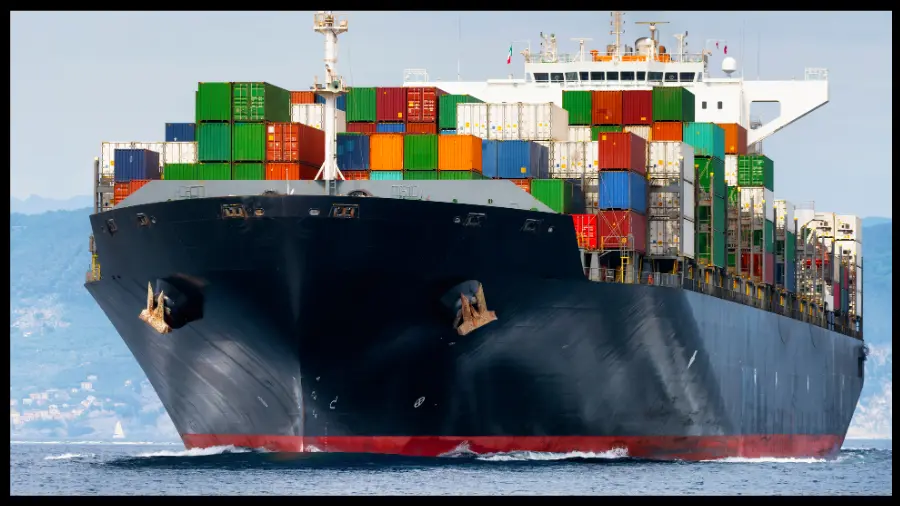
Maersk reported its Ocean business moved into the red in the final quarter of 2025, alongside a plan to cut about 1,000 roles as carriers shift from expansion posture to tighter cost control. The update also carried a wide 2026 earnings range tied to how fast the Red Sea normalizes and how much effective capacity re-enters the market, reinforcing that the downcycle is now the base case for network and pricing decisions.
Subscribe to the Ship Universe Weekly Newsletter
Click here for 30 second summary
Maersk Ocean downcycle signal in one read
Maersk reported its Ocean segment moved into an operating loss in Q4 2025 and announced a plan to cut about 1,000 corporate roles in 2026, as large carriers shift toward tighter cost control in a softer container market.
-
Quarter result
Ocean EBIT was reported at -$153m for Q4 2025. -
Cost action
The company said it will reduce headcount by about 1,000 roles during 2026. -
Cycle signal
A major liner moving into loss mode while cutting costs is a practical marker that network optimization and capacity discipline tend to become more aggressive.
When a bellwether carrier reports an Ocean loss and pairs it with workforce reductions, stakeholders should expect a tougher operating posture across networks, with more active blank sailings and sharper contract behavior as carriers defend utilization and cash.
| Fast reader take | The hard numbers | Changes vs recent quarters | Operating posture signal | Closest stakeholders |
|---|---|---|---|---|
| Ocean slips into the red |
Ocean EBIT Q4 2025: -$153m
The Ocean segment posted a quarterly operating loss after a much stronger 2024 comparison base.
|
Q4 2025 compares with Q3 2025: +$567m and Q4 2024: +$1.6bn for Ocean EBIT. | Expect tougher cost and capacity decisions as the cycle shifts from peak era margin defense to downcycle cash protection. | BCOs, forwarders, NVOs, alliance and slot partners, and any shipper exposed to contract resets after spring. |
| Cost discipline becomes the headline |
~1,000 roles to be cut (2026)
Management is framing 2026 as a discipline year, not a growth year.
|
The messaging is more defensive than mid 2025 updates, aligned with softening rates and an expanding supply pipeline. | Faster internal scrutiny of service profitability, headcount, overhead, and non core spend. | Vendors, port and depot partners, and contracted service providers that depend on stable volume commitments. |
| Capital return still active | Share buyback: DKK 6.3bn About $1bn indicated | Cash return continues even as Ocean margins compress, implying confidence in liquidity while preparing for rate pressure. | Carriers can be simultaneously cautious on costs and steady on shareholder return if balance sheets allow. | Equity holders, credit markets, and counterparties watching solvency and leverage through the downcycle. |
| 2026 outlook is deliberately wide |
Group EBIT 2026: -$1.5bn to +$1.0bn
Range is tied to overcapacity and the timing of Red Sea normalization.
|
The key variable is how quickly shorter sailing distances return and release effective capacity back into the market. | Greater readiness to idle ships, slow steam, and trim strings to avoid uncontrolled rate slides. | Charterers and owners exposed to liner demand for tonnage, plus ports dependent on a full weekly call pattern. |
| Supply pressure remains the backdrop | Newbuild delivery wave continues Rates soften into early 2026 | The downshift is not a one company story. Peer results and market commentary point to industry wide normalization. | Contract negotiations likely sharpen around reliability, schedule, and end to end value, not just headhaul price. | Shippers with long tender cycles, and cargo owners that rely on premium services to protect inventory timing. |
| Red Sea return is a capacity multiplier | 6% to 8% capacity effect cited in market commentary | A broad return to Suez shortens voyages and effectively frees ships, which can quickly overwhelm demand growth. | Higher likelihood of blank sailings, quicker rate moves, and sharper intra regional competition when slack returns. | Carriers on Asia Europe, Mediterranean feeders, transshipment hubs, and inland operators planning weekly peaks. |
| Peer alarm bell already rang | ONE net loss: $88m (Oct to Dec 2025) ONE operating loss: $84m | Multiple large carriers are now reporting losses or margin compression, reinforcing a structural cycle turn. | The industry narrative shifts from expansion and delivery absorption to active de risk actions. | Anyone pricing on spot indices, and shippers assuming last year’s rate floor will hold. |
Cycle read from Maersk’s Q4 Ocean loss
Compact view of the reported quarter turn, the cost response, and the near term operating signals shippers and operators monitor.
Story snapshot
Maersk reported its Ocean business moved into an operating loss in Q4 2025 and paired the result with a corporate headcount reduction plan. The combination is being read as a stronger downcycle posture among major carriers.
Operational signals to watch next
- Blank sailing frequency on headhaul strings
- Idle fleet growth and slow steaming intensity
- Tender language and contract reset tone
- Service pruning in weaker intra regional loops
- Return routing patterns that shorten voyage distance
We welcome your feedback, suggestions, corrections, and ideas for enhancements. Please click here to get in touch.