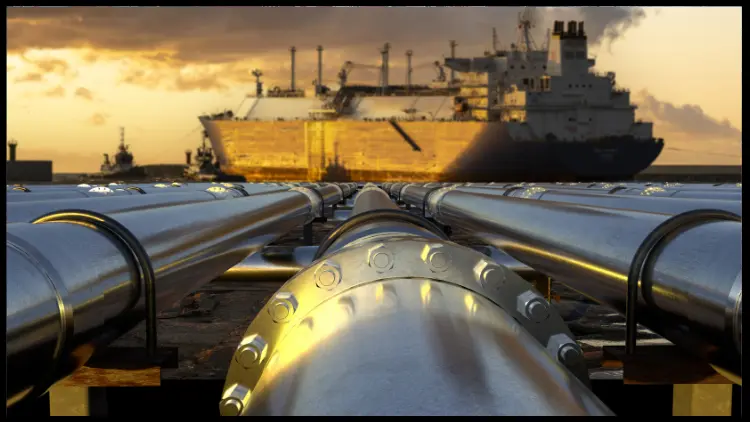
Trade-press reports indicate Maersk has placed an order in China for a fresh tranche of 18,000-TEU LNG dual-fuel containerships, with options said to be under discussion. The move continues its 2024–25 fleet renewal toward alternative-fuel capable tonnage and would add late-decade capacity on mainline trades. Net effect for shipowners: limited near-term rate impact, but medium-term supply, fuel-strategy, and bunkering dynamics to watch.
Simple Summary in 30 Seconds
Maersk is buying eight very large container ships that can run on LNG or regular fuel. These ships carry about 18,000 containers each, so when they arrive Maersk gets more of its own capacity on the biggest trade lanes. That can lower cost per box for Maersk and help with clean-fuel rules. If many big ships arrive across the market and demand is only average, charter rates for mid-size ships can feel pressure.
What changed
Order placed for eight 18,000-TEU dual-fuel ships, options may follow, delivery years to be confirmed.
Cost and capacity impact
Lower unit costs when full, more operator-owned slots on Asia to Europe and Transpac routes, less need to charter in peak weeks.
What to track
Delivery timetable, LNG vs VLSFO price spread, bunkering availability at hub ports, total 16k to 24k TEU orderbook, global box demand.
Bottom line: Good for Maersk cost and compliance planning, neutral to negative for charter owners if many megamax ships arrive together without matching demand growth.
Maersk LNG Dual-Fuel Megamax Order: Industry Impact
Item
Summary
Business Mechanics
Bottom-Line Effect
Order scope (reported)
Trade media report new 18k-TEU LNG dual-fuel ships ordered in China, with options discussed. Formal yard and pricing details not publicly confirmed at time of writing.
Extends Maersk’s multi-fuel pathway. Company completed orders for 20 dual-fuel ships in 2024, sized 9k–17k TEU, while industry orders skew to methanol and LNG.
LNG dual-fuel engines with future fuel optionality; hedges regulatory and price risk vs. single-fuel bets.
📈 Compliance and voyage cost options; potential OPEX savings where LNG spreads are favorable.
Lane fit and rotations
18k-TEU class suits Asia–Europe and select Transpac strings. Dual-fuel range supports flexible bunkering choices.
Slot density improves unit costs; service design can swap between LNG and conventional bunkers as needed.
📈 Scale benefits for operator; neutral-to-negative for independent owners if charter demand softens.
Global supply context
Alternative-fuel capable ordering remained elevated through 2024–2025. Added large units increase future slot supply.
Orderbook concentration at Asian yards; cascading effects to smaller sizes on delivery.
📉 Medium-term pressure on time-charter rates if demand growth underperforms.
Bunkering & infrastructure
LNG bunkering network maturity on main corridors supports operations; yard capability for large LNG DF confirmed by recent Chinese programs.
Port readiness, fuel contracts, and price spreads drive OPEX outcomes.
📈 Cost control where LNG competitive; 📉 exposure if LNG premiums widen.
Regulatory drivers
EU ETS ramp and FuelEU Maritime push lower-emissions ships into mainlines even before full green fuel availability.
Dual-fuel engines lower compliance costs vs. legacy tonnage on covered trades.
📈 Relative margin protection on regulated corridors.
Counterparty effects
More owner-controlled megamax capacity can reduce reliance on long charters.
Potentially less appetite for multi-year charters at high rates when deliveries near.
📉 Headwind for third-party boxship owners; 📈 stronger negotiating hand for Maersk.
Notes: Order details reflect trade-press reporting current as of Nov 5, 2025. Exact yard, price, and delivery schedule were not officially disclosed. Effects vary by lane, contract mix, and fuel spreads.
What Changes First
Fleet mix
More owner-controlled megamax slots on mainlines, less reliance on long charters when ships deliver.
Fuel flexibility
Dual-fuel gives a choice between conventional bunkers and LNG depending on price and port availability.
Spec signal
Big ships continue to move toward lower-emission configurations as rules tighten on key corridors.
Positive signals
Lower unit cost per slot for operatorCompliance headroom on regulated tradesOption value if LNG spreads favor
Negative signals
Future supply pressure if demand lagsHigher capex burden until ships earnCharter appetite may soften near delivery
Capacity Landing Map
Delivery years not announced. Large ship orders typically land in waves. Bands below are directional only.
Earliest slots
A few hulls arrive first and test new rotations
Main wave
Most of the class joins core Asia to Europe and Transpac strings
Late slots
Tail deliveries fine tune capacity and cascading
Fuel Economics Snapshot
When LNG is cheaper
Dual-fuel burns more LNG on long ocean legs, trimming voyage OPEX on prepared routes.
When LNG is pricey
Operator can switch to conventional bunkers and keep schedules stable.
Infrastructure factor
Established bunkering at major hubs supports reliable dual-fuel planning.
Orderbook Pressure Meter
16k to 24k TEU class
Future slot growth can pressure time-charter rates if demand is average.
Cascading risk
New megamax units can push larger mid-size ships into secondary trades.
Maersk’s latest order points toward a larger dual-fuel backbone on long haul trades. The near term impact on rates is limited since deliveries are years away, but the signal is clear. More owner-controlled megamax capacity is coming, fuel flexibility will matter on regulated routes, and independent owners may face tougher charter negotiations as the delivery window approaches.