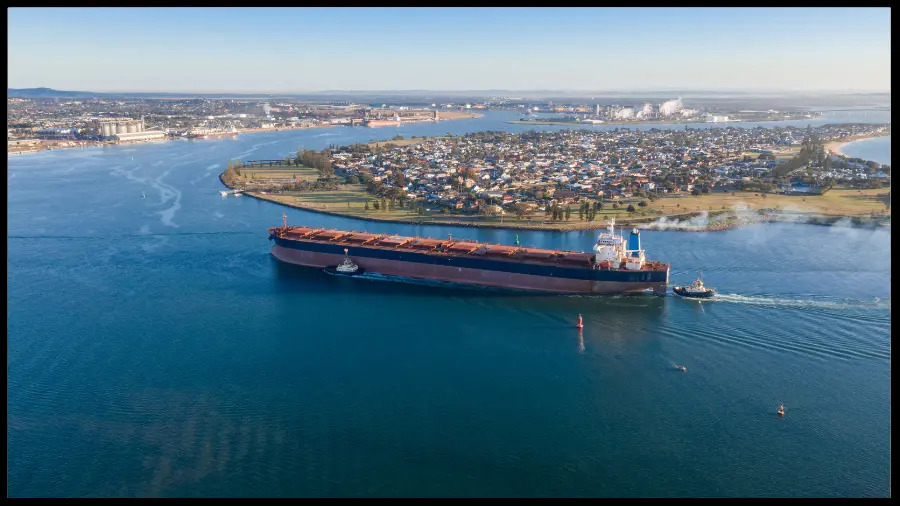
Macquarie Asset Management has lobbed a conditional, non-binding cash proposal to acquire Qube at A$5.20 per share, valuing the integrated ports and intermodal operator at an enterprise value of about A$11.6 billion. Qube has signed a process and exclusivity deed giving Macquarie exclusive due diligence into early 2026. The bid carries a roughly 28% premium and, if completed, would place a core share of Australia’s import-export plumbing under new ownership.
Click here for 30 second summary
Simple Summary in 30 Seconds
Macquarie has proposed an A$11.6 billion takeover of Qube, Australia’s largest integrated ports and intermodal operator, and secured exclusive due diligence. If it closes, one owner could align terminal, rail, and warehouse decisions across key corridors. That can improve schedule reliability and cut dwell, while a more infrastructure-style approach may firm access pricing. Approvals and financing remain pending.
💼 What happened
A non-binding cash proposal at about A$5.20 per share with an enterprise value near A$11.6B; Qube signed a process and exclusivity deed for due diligence.
⏱️ Cost and time effect
Potential for shorter port stays and fewer handoffs if networks are coordinated; near term operations largely unchanged until close and integration.
📊 Market signal
Infrastructure ownership typically emphasizes yield management and phased capex, which can lift service quality and discipline pricing during peaks.
🔎 Near-term watch
Competition and foreign-investment reviews, financing terms, Patrick Terminals governance, and the board and expert assessments that precede a vote.
📌 Bottom line: A completed deal could streamline Australia’s port-to-rail logistics and improve reliability, while shifting pricing power toward a coordinated operator; until then, status quo with elevated deal risk.
Macquarie’s A$11.6B Proposal for Qube: Industry Impact
Item
Summary
Business Mechanics
Bottom-Line Effect
Headline terms
Indicative A$5.20 cash per share, ~28% premium to prior close; scheme of arrangement; enterprise value about A$11.6B.
Exclusive due diligence under a signed Process Deed; subject to board, independent expert, financing, and regulatory approvals.
📈 Potential re-rating of Australian logistics assets; 📉 deal risk remains until approvals and funding are locked.
Qube footprint
Australia’s largest integrated import-export logistics provider with national ports, intermodal, rail and bulk handling operations.
End-to-end control of landside flows supports pricing power and service design across key AU corridors.
📈 Scope to streamline moves and reduce handoffs for cargo owners; 📉 counterparty leverage shifts toward the operator.
Patrick Terminals linkage
Qube owns 50% of Patrick Terminals, a leading Australian container terminal operator.
Terminal ownership plus rail and logistics creates coordination advantages on box flows and berth windows.
📈 Reliability and slot discipline can improve; 📉 stronger negotiating stance on terminal pricing and service levels.
Regulatory path
Foreign investment and competition clearances required; exclusivity runs into early 2026.
Reviews will focus on port competition, intermodal access, and fair treatment of third-party users.
📉 Timeline risk for closing and integration; contracts may include interim pricing or service clauses.
Pricing and capital posture
Premium deal reflects infrastructure-style earnings. If closed, asset recycling and targeted capex are likely focus areas.
Infra owners typically optimize EBITDA via throughput growth, yield management and phased capacity projects.
📈 Predictable capex cadence can lift service quality; 📉 tougher rebate negotiations for volume retention.
Impact on shippers and carriers
Potential for tighter berth windows, refined rail schedules and integrated pricing across port-rail-warehouse legs.
Better coordination reduces dwell and rehandles; integrated pricing can shift cost between terminal, rail and road.
📈 Lower total landed cost where reliability improves; 📉 less room for ad-hoc discounts in peak periods.
Shipowner lens
Terminal discipline influences call duration and schedule integrity for boxship operators serving AU/NZ.
Improved yard density and rail turn times can shorten port stays; conversely, yield focus can raise terminal charges.
📈 Faster turns lift effective fleet capacity; 📉 higher access fees can trim voyage margins.
Notes: Proposal is conditional and non-binding with exclusive due diligence underway following a Process and Exclusivity Deed executed in late 2025. Qube continues to operate normally during the diligence period. Effects will depend on final ownership structure, approval conditions and subsequent capex and pricing strategies.
Bars are qualitative gauges based on typical large infra transactions and multi-asset integrations.
Corridor touchpoints (illustrative)
Gateway
Operational lens
Sydney / Botany
Box terminal discipline and rail turn times drive call duration and slot reliability.
Melbourne
Intermodal connectivity and yard density influence dwell and rehandles.
Brisbane
Integrated road–rail pricing can shift customer routing choices.
Fremantle
Long-haul inland moves magnify gains from schedule integrity and better handovers.
Shorter port stays from tighter planningClearer capex sequencing at terminalsHarder rebate negotiationsAccess pricing sensitivity for third parties
Quick positives and negatives
End-to-end visibility improves schedule integrityAsset-backed capex can lift throughput qualityLower rehandles and dwell reduce OPEXPricing power shifts to operator on peaksLonger approval path adds uncertaintyIntegration hiccups can erode early gains
Call-time vs. terminal charge trade-off
Estimate net voyage impact if port stays improve but access fees rise.
Estimated monthly net effect: $35,000 better
A Macquarie-led Qube would put more of Australia’s port and landside plumbing under one balance sheet. That can tighten planning and shorten calls while shifting pricing power toward a more infrastructure-style model. The next milestones are regulatory reviews and due diligence; if approvals land, the first changes should show up in berth windows, rail slots, and a clearer cadence of terminal upgrades.