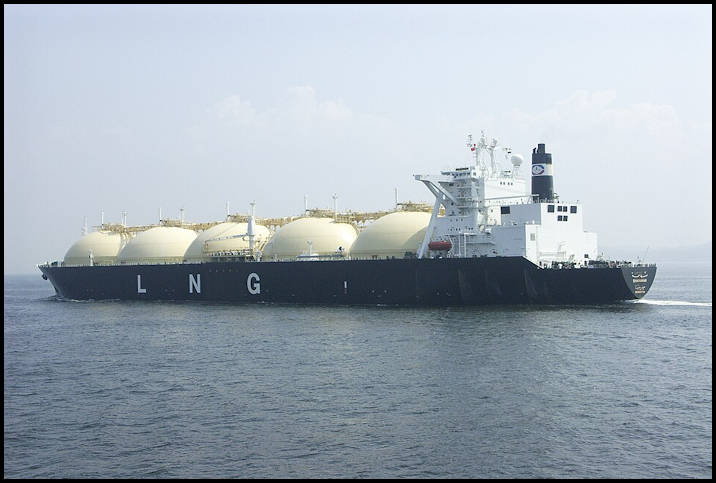
Near-term signals point both to tighter premium yard slots (new LNGC orders) and shifting trade flows (record U.S. exports, fresh sanctions constraints). India’s long-term procurement and UK restrictions on Russian LNG services could reshape routings and chartering in 2026.
Click here for 30 second summary
Simple Summary in 30 Seconds
LNG shipping is busy and getting more specialized. New carrier orders and long term export deals point to steady cargoes, while rules and routing can still slow trips. The result is firm demand for modern, efficient ships and a premium for owners who keep paperwork, specs, and schedules tight.
🚢 What changed
A fresh order for two LNG carriers and other recent project moves add confidence that more cargo will move over the next few years. Premium shipyard slots are filling and specs are skewing to fuel efficient dual fuel designs.
⏱️ Cost and time impact
Efficient engines and boil off control lower voyage costs on long legs. Policy checks, canal queues, or security slowdowns add days and insurance costs when they appear.
📊 What to track
Export programs and seasonal pulls in Europe and Asia, yard delivery waves, charter coverage length, and any sanction or routing changes that affect cycle time.
📌 Bottom line: More LNG cargo and modern ships support earnings, but timing matters. Owners with efficient vessels and clean compliance get picked first and keep margins steadier when routes or rules shift.
LNG Shipping: Orders, Flows, and Policy Shifts
Story
Summary
Business Mechanics
Bottom-Line Effect
HD Korea Shipbuilding books two LNG carriers
Order value about ₩741.2bn (~$507m) for two LNGCs tied to a North American owner; build at HD Hyundai Samho.
Premium yard slots tighten; spec choices (membrane, reliquefaction, DF engines) influence OPEX and charter appeal.
📈 Supports LNGC pricing and suppliers; 📉 incremental future capacity if demand lags at delivery.
U.S. sets monthly LNG export record
Preliminary data show the U.S. shipped ~10 mmt in a single month for the first time.
More long-haul cargoes sustain tonne-miles; fleet utilization stays firm when Europe/Asia pulls are balanced.
📈 Demand tailwind for modern LNGCs on Atlantic–Asia and Atlantic–Europe runs.
QatarEnergy signs 17-year SPA with India’s GSPC
Long-term offtake to India adds visibility to flows through late 2040s.
Portfolio supply feeds West Coast India terminals; supports steady berth/slot planning.
📈 Structural lift for trade to India; steadier time-charter coverage for owners exposed to that corridor.
UK to block maritime services for Russian LNG in 2026
Insurers, brokers, and other services will be restricted for Russian LNG cargoes.
Charterer lists shift; alternative flags/insurers raise cost; routes and STS logistics adapt.
📈 Potential tonne-mile and rate support for compliant fleets; 📉 higher compliance costs for exposed trades.
Scrutiny on sanctioned LNG cargo handling
A U.S.-sanctioned LNG tanker conducted STS off Malaysia after lifting a Russian cargo, per market trackers.
Heavier vetting, bank and P&I checks slow cycles; some terminals decline opaque movements.
📈 Cleaner operators gain premium access; 📉 exposed tonnage sees delays and off-hire risk.
Early ice tests “shadow” LNG movements
Reports of a Russian LNG carrier struggling with thickening ice underscore seasonal risk on the NSR.
Ice windows shorten; more reliance on conventional routes and ice-class tonnage.
📈 Seasonal detours can lift voyage days and spot; planning buffers required.
KOGAS lines up long-term U.S. LNG from 2028
Agreements to import ~3.3 mmtpa for ~10 years, largely U.S.-sourced.
Adds predictable lift on Pacific trades; underpins long-term charter demand for efficient DF vessels.
📈 Forward demand visibility; supports financing/chartering for new efficient tonnage.
Notes: Effects vary by delivery timing, charter structure, and corridor. Policy outcomes depend on enforcement. Adjust column widths in <colgroup> as needed.
LNG Lane Pulse Board
Atlantic to Europe
High pull when storage refills or weather spikes demand.
Long-haul tonne-miles support spot when Asia draws increase.
Transit choices and canal queues can swing voyage days.
Middle East to Asia
Stable baseload flows anchor charter coverage.
Any routing or security friction lifts time on water.
India inbound
Procurement growth adds predictable berth demand.
Terminal windows and documentation drive cycle time.
✅ Positive
⚠️ Negative
New LNG carrier orders tighten premium yard slots and support supplier backlogs.
Record export months and long term SPAs create steady liftings and planning clarity.
Modern dual fuel specs and reliquefaction improve voyage OPEX profiles.
Policy and sanctions friction add vetting, insurance checks, and idle days.
More large ship deliveries later can pressure rates if demand underperforms.
Canal and seasonal constraints can bunch schedules and raise costs.
Spec Cheat Sheet
Membrane containment (Mark III, NO96 families)DF engines (X-DF, ME-GA) with fuel flexibilityBoil off management and reliquefactionEnergy saving devices and optimized hull formsShore power readiness where required
Yard Slot Outlook
Delivery window
What it means
Early wave
First hulls set the template on specs and charter tenor, limited availability usually priced at a premium.
Main wave
Most of the class arrives, cascading effects show up, owners balance coverage vs spot options.
Late tail
Fine tuning of fleet mix, risk if demand cools, upside if structural pulls stay firm.
Chartering Snapshot
Tenor trends
Longer coverage on new units, optional periods to manage cycle risk.
Spec preferences
Efficient DF engines and strong boil off control rank high with major charterers.
Counterparty focus
Clean compliance history and simple payment chains speed approvals.
Risk and Compliance — Nudge List
Keep documents tight for sanctioned trade exposure checks and insurer endorsements.
Price alternate routings in case canal or security conditions change cycle time.
Align ship specs with likely charterer requirements to reduce on hire friction.
LNG shipping is entering a phase where new orders, long term offtake, and evolving sanction rules all pull in different directions. Premium yard slots and efficient specs support values and coverage today, while policy and routing friction can add cost and delay. Owners that match modern technical choices with clean compliance and balanced charter tenors are best placed to protect earnings if conditions tighten or shift.