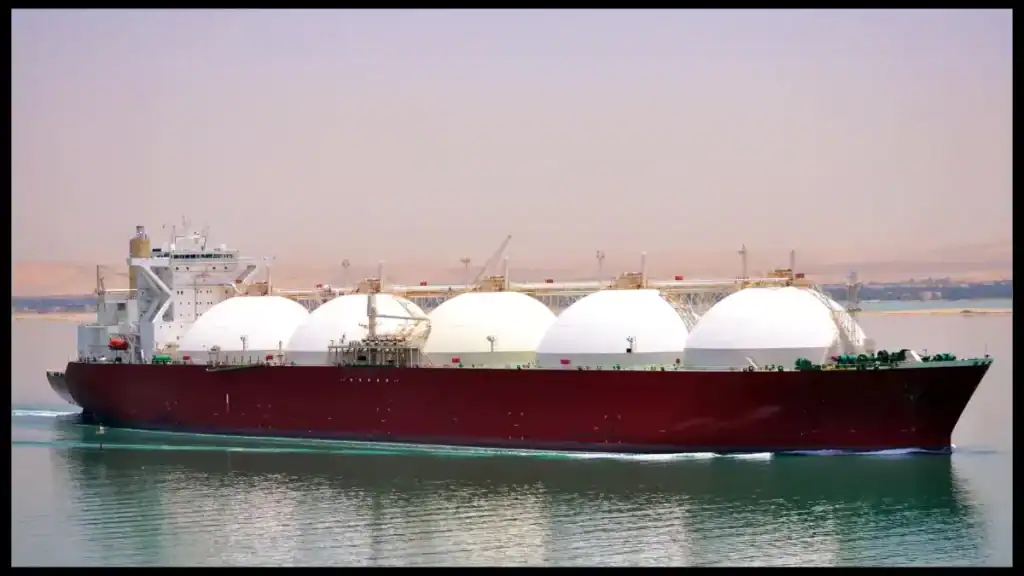
A wave of pivotal moves across the LNG sector is reshaping global flows, highlighted by a massive FLNG charter in Argentina, renewed European export capacity, project expansions in the U.S., and major strategic shifts by key players. As demand centers recalibrate, shipping lanes, vessel utilization, and regional infrastructure are all adapting in real time.
Recent LNG Developments
Event
Details
Implications for Maritime
Status
Argentina FLNG Charter Secured
Golar’s MK II FLNG is chartered for 20 years off Argentina, with ~$400M/year base hire plus tariff, starting operations in 2028.
Fuels demand for shuttle tankers and supports Argentina emerging as an LNG export hub.
Final Investment Decision made; vessel conversion ongoing.
Cheniere Q2 Profit Surge
Cheniere earned $1.63B in Q2—up significantly year-over-year—as global LNG demand and exports climbed.
Highlights tight market and sustainable demand, driving high vessel utilization.
Results posted for Q2 2025.
Hammerfest LNG Restarts
Norway’s Hammerfest terminal resumed operations, restoring a key northern export source for Europe.
Eases supply constraints and redirects shipping routes through the Arctic.
Operational as of early August.
Commonwealth LNG Selects EPC Partner
Technip Energies appointed for EPC of Commonwealth’s 9.5 mtpa export terminal in Louisiana.
Signals future need for LNG carrier deployment and expanding dock infrastructure.
EPC award made; FID on horizon.
TotalEnergies Backs Out of Train 5
TotalEnergies withdrew from NextDecade’s Train 5 expansion at Rio Grande due to strategic reprioritization.
Raises uncertainty for pipeline vessel demand tied to the project.
Investment suspended; FID still pending mid-September.
EU Considers Pooling LNG Purchases
The EU is exploring aggregated demand procurement from U.S. LNG as part of a $750B energy framework with the U.S.
Could drive large-volume contracts and increase demand for transatlantic shipping capacity.
Proposal under consideration; pilot phase slated for September.
Industry Impact Overview:
With freight rates bouncing between multiyear lows and sudden spikes, an outsized orderbook, and new regulatory pressures, the LNG shipping market is entering a pivotal period. Operators must juggle short-term oversupply against longer-term demand while ports and financiers adapt to shifting fleet technology and policy requirements.
Key Impacts:
Rate Volatility: Spot charter prices have whipsawed from sub-$5 k/day to above $50 k/day within months, complicating voyage economics.
Fleet Expansion: An orderbook equal to roughly 44 % of the active LNG fleet will add capacity faster than demand through 2026.
Regulatory Push: A U.S. mandate phases in carriage on U.S.-built LNG carriers, reshaping long-haul contract strategies.
Fuel Transition: LNG-powered (dual-fuel) vessels already account for 4 – 6 % of world tonnage, accelerating bunkering investment.
Persistent Oversupply: Analysts forecast an oversupplied LNG tanker market until mid-2026 despite isolated rate spikes.
LNG Operational Stress Points
Region / Corridor
Current Constraint
Effect on LNG Shipping
Mitigation Under Way
Panama Canal
Draft limits and booking slot reductions following extended drought.
Some LNG cargoes opt for Suez / Cape diversions; added voyage time.
Canal Authority monitoring rainfall and adjusting slot auctions month-to-month.
Convoy speeds reduced; additional insurance premiums for transits.
Naval escorts and real-time AIS routing guidance for LNGCs.
U.S. Gulf Coast
Seasonal fog and hurricane preparedness impacting berth scheduling.
Short-notice delays at Sabine Pass, Corpus Christi, Cameron.
Terminal operators deploying dynamic queue management and extra tugs.
North-West Europe
Terminal congestion during peak regas demand swings.
Occasional anchorage backlogs off Netherlands, UK, France.
Slot-swap agreements and floating storage use at nearby anchorages.
Arctic High Latitudes
Seasonal ice melt windows dictating Yamal and Hammerfest export schedules.
Ice-class LNGCs concentrate voyages in summer, limiting winter liftings.
Operators coordinating with ice-breaker support and adjusting cargo programs.
Note: Entries summarise operational constraints consistently reported by port authorities, canal bulletins, and fleet advisories in 2025.
We’ve been closely monitoring these developments, and it’s clear that global LNG dynamics are shifting rapidly, not just in terms of capacity, but also the infrastructure, trade routes, and geopolitical pressure points shaping them. We’ll continue tracking these changes and updating you with the insights that matter most to shipowners, operators, and maritime professionals.