Iraqi Crude Breaks Through Hormuz
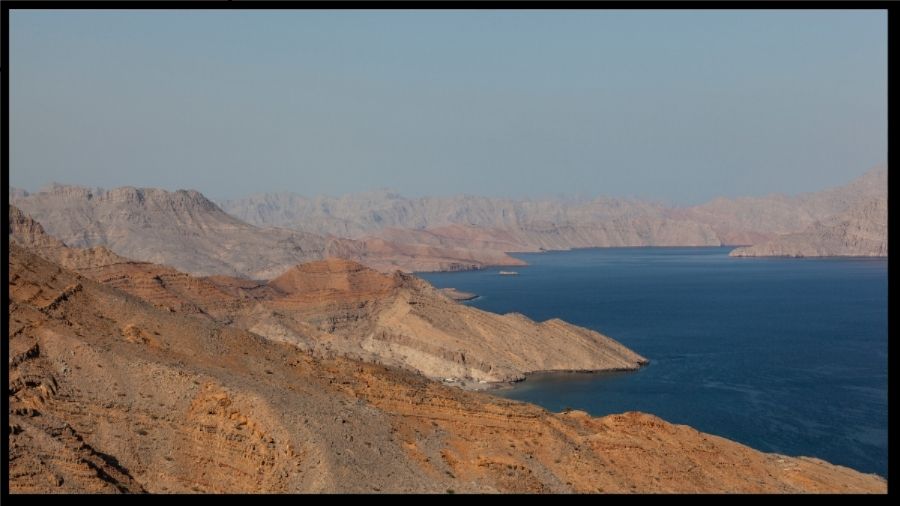
An Iraqi crude tanker has successfully transited the Strait of Hormuz, marking one of the clearest signs yet that limited commercial oil movement is resuming under tightly controlled conditions rather than through any full reopening of the waterway. Shipping data showed the Ocean Thunder, a tanker chartered by Petronas, passing through Hormuz carrying about 1 million barrels of Basrah Heavy crude from Iraq and heading toward Pengerang, Malaysia, with arrival expected around mid-April. The passage came a day after Iran said Iraq was exempt from its transit restrictions, and the vessel appears to be part of a small group of Malaysia-linked ships cleared for movement after diplomatic contacts involving Kuala Lumpur and Tehran. The transit is important because it confirms that at least some crude cargoes can now move through the strait again, but the broader traffic picture remains heavily constrained, with shipowners still cautious and transits far below normal levels.
Subscribe to the Ship Universe Weekly Newsletter
Click here for 30 second summary of the full piece ▶
A live crude cargo has made it through
The latest signal out of the Gulf is a successful Iraqi crude passage through Hormuz, not a broad reopening. A loaded tanker has crossed under a narrow exemption structure, showing that selected movements are possible again even while the wider corridor remains politically controlled, commercially fragile, and far below normal operating tempo.
- Vessel status: a loaded Iraqi crude tanker completed the transit.
- Transit meaning: this looks like an allowed passage under restricted conditions, not restored free navigation.
- Commercial reading: one successful voyage helps confidence, but does not remove owner caution or route friction.
| Fast reader take | Confirmed shipping detail | Operational meaning | Negative shipping consequence that still remains | Shows up first | Closest stakeholders |
|---|---|---|---|---|---|
| A loaded Iraqi cargo made it through |
Ocean Thunder transited Hormuz carrying about 1 million barrels of Basrah Heavy crude.
loaded crude
Basrah Heavy
successful transit
|
This confirms that commercial oil movement through the strait has not stopped completely. | One successful voyage does not restore broad owner confidence or normalize traffic. | More attention to ship-specific exemptions and voyage eligibility. | Iraq, refiners in Asia, tanker operators, charterers. |
| The transit appears linked to a narrow exemption structure |
Iran said Iraq was exempt from restrictions, and the tanker was reported among Malaysia-linked vessels cleared for passage.
Iraq exemption
Malaysia-linked vessels
diplomatic clearance
|
The route is functioning by permission and political filtering, not by open access. | Traffic recovery stays uneven and highly selective. | More documentation, more screening, and slower sailing decisions. | State oil marketers, shipmanagers, diplomats, cargo buyers. |
| The destination matters |
The tanker is headed to Pengerang, Malaysia, with expected arrival in mid-April.
Malaysia bound
Asian demand link
|
This is not just a symbolic movement. It is a real commercial crude flow aimed at an active refining center. | Even successful voyages remain exposed to timing, insurance, and routing friction. | Closer focus on discharge timing and follow-on voyage appetite. | Asian refiners, traders, freight desks, insurers. |
| The broader Gulf picture is still split |
Iraq is trying to restart liftings, but other cargoes and owners remain cautious and some LNG movements have reversed near the strait.
split traffic picture
owners cautious
not a full reopening
|
The market is dealing with pockets of movement rather than a corridor-wide reset. | Freight markets still cannot assume stable two-way flow. | Uneven scheduling, patchy route utilization, selective cargo nominations. | Oil exporters, LNG players, port agents, brokers. |
| Iraq wants loading programs moving again |
SOMO has asked customers to submit crude lifting schedules quickly after the transit exemption.
SOMO action
loading plans
restart pressure
|
Baghdad is trying to convert the political opening into actual export continuity. | Physical readiness at terminals still depends on whether shipowners and buyers are willing to follow through. | Program rescheduling and renewed vessel nominations. | Iraqi producers, buyers, terminal operators, charterers. |
| The main lesson is about permission, not freedom |
Successful passages are increasing slightly, but they are still a small fraction of normal pre-war movement.
limited resumption
below normal
controlled traffic
|
The strait is behaving more like a politically managed gateway than an open maritime corridor. | Commercial confidence can improve from here, but only gradually and unevenly. | Higher compliance burden and continued underwriter caution. | Shipowners, insurers, commodity markets, governments. |
Selective Passage Confidence Lab
This tool helps readers judge whether one successful Iraqi crude transit should be read as a narrow exemption event, a cautious reopening signal, or the beginning of broader commercial normalization. It separates political permission, owner willingness, and practical shipping usability because those three things are no longer moving together.
Passage inputs
Check the signals that match the current Hormuz picture, then adjust how much of the recovery looks political, physical, and commercially repeatable.
Positive movement signals
Friction signals
Fine-tune the recovery picture
Operational readout
The model separates simple transit success from real corridor recovery, because those are not the same thing in the current Hormuz environment.
One successful Iraqi crude transit is meaningful, but it still reads more like controlled access than open-market normalization.
| Stage | Operating picture | Shipping behavior | Main limitation |
|---|---|---|---|
| Stage 1 Selective access |
Some cargoes can move, but permission remains highly filtered. | Owners treat each transit as a special case. | Route openness |
| Stage 2 Cautious resumption |
Successful passages are increasing, but still under heavy conditions. | Commercial movement returns slowly and unevenly. | Repeatability |
| Stage 3 Fragile recovery |
The route supports more real cargo flows, but confidence is still incomplete. | More owners participate, though under tighter rules and pricing. | Insurance comfort |
| Stage 4 Usable corridor |
Traffic is no longer just exceptional and starts to look operationally sustainable. | Market behavior begins shifting back toward normal voyage planning. | Stable openness |
We welcome your feedback, suggestions, corrections, and ideas for enhancements. Please click here to get in touch.