HD Hyundai’s $2bn India Mega-Yard Aims to Reset Global Newbuild Map
📊 Subscribe to the Ship Universe Weekly Newsletter

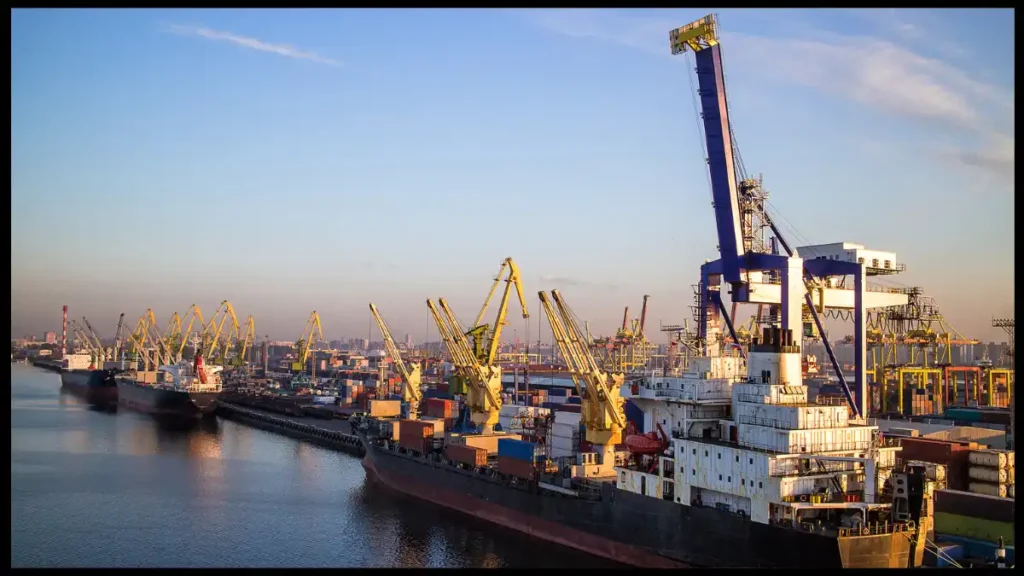
HD Hyundai is reported to be preparing a multibillion-dollar greenfield shipyard project in southern India, with planned investment around $2bn. For owners and financiers, the significance is less about one site and more about what it signals: a new, lower-cost deep-sea newbuilding hub entering a market that has long been dominated by Korea and China, with implications for future pricing, delivery options and regional maritime clusters.

Click here for 30 second summary

HD Hyundai’s India mega-yard in one quick read

HD Hyundai is working on a new two billion dollar shipyard project in southern India that would be capable of building large deep sea vessels. The main impact is not immediate, but on how future newbuilding capacity, pricing and delivery slots are shared between Korea, China and a new lower cost hub in India.

  • Capacity and pricing – A large greenfield yard in India adds another production base for big vessel series. Once ramped up, it can ease slot tightness in busy years and add price pressure in weaker parts of the cycle.
  • Owner options – Owners planning renewal rounds will have a third major geography to tender to, mixing Korean design and project control with Indian cost levels and a growing local maritime cluster.
  • Execution and timing – Market impact depends on how quickly the site moves from plans to reliable delivery, and whether its capacity comes online into a firm or soft phase of the ordering cycle.
Bottom line The proposed India yard is shaping up as a strategic signal that future deep sea newbuilds will not be confined to Korea and China alone. As details firm up, owners, yards and financiers will be watching how this new platform is timed, what types of ships it targets, and how far it can shift bargaining power in the next round of large ordering.
HD Hyundai’s planned $2bn southern India yard: Owner and Yard Impact
Item Summary Business mechanics Bottom-line effect
Project outline HD Hyundai is preparing a large new shipbuilding complex in southern India, with an indicated budget of about 2 billion dollars for deep-sea commercial tonnage. The yard would sit alongside Korean facilities, allowing the group to spread work and offer an additional base for series building outside the traditional clusters. 📉 Existing Korean and Chinese yards face another large-scale competitor. 📈 Owners gain a new major option when planning multi-ship newbuild programmes.
Cost base and competitiveness Southern India offers a relatively low-cost labour and services pool, linked to established logistics and steel, machinery and service supply chains. If Korean design and project control are paired with Indian cost levels, the site can compete sharply on standard large-vessel series once the ramp-up period is over. 📉 Newbuild price pressure for selected ship types could increase as Indian capacity grows. 📈 Owners with flexible timing can use India to rebalance bid lists and sharpen quotes.
Segment focus and technology A yard of this scale is expected to target large deep-sea ships and high-efficiency designs aligned with tightening climate rules and fuel standards. Access to Korean engine, hull and digital optimisation packages allows the site to offer standardised, future-ready designs rather than only basic tonnage. 📉 Delayed fleet renewal may run into tighter competition for “green” slots later in the decade. 📈 A proven Indian platform widens the pool of builders for compliant new tonnage.
Delivery slots and cycle timing The project will take several years to build and ramp, so its main effect is on delivery options in the late 2020s and 2030s rather than today’s orderbook. In tight markets, additional slots ease pressure on Korean and Chinese yards. In soft markets, extra capacity can lengthen the down-cycle for newbuild pricing. 📉 Poorly timed ordering rounds could see values marked down if capacity outstrips demand. 📈 Well-timed contracts can lock in competitive prices before the next upturn.
Indian maritime cluster impact A global yard in southern India would add scale to the country’s existing repair and construction base, pulling in more suppliers, training and service capacity. Equipment makers, service firms and financiers typically follow anchor investments, deepening India’s role not just in building ships but in lifecycle support. 📉 Smaller regional yards in Asia may feel increased competitive pressure. 📈 Owners active on India-linked trades could benefit from stronger local repair, retrofit and upgrade options.
Financing, risk and policy overlay A two-billion-dollar project depends on supportive local policy, stable conditions and a credible forward order pipeline from global owners. Banks and export credit agencies will track backing, execution and early deliveries before treating the yard as a core counterparty for large series deals. 📉 If demand disappoints, margins and counterparties at the new yard can come under pressure. 📈 If it delivers on time and on cost, owners gain another strong yard to underwrite large renewal cycles.
Notes: Readout reflects publicly reported plans and market expectations for HD Hyundai’s proposed southern India yard. Exact timelines, product mix and capacity will be clarified as the project moves through approvals and detailed design.
Capacity and pricing pulse for a new India mega-yard
Indicative view of how a large HD Hyundai yard in southern India could sit alongside Korean and Chinese capacity once it ramps up.
Cost advantage versus Korea
Meaningful
Impact on global newbuild prices
Gradual
Effect on delivery slot tightness
Noticeable
Execution and ramp-up risk
Moderate
Directional only. Actual outcomes depend on timing versus the cycle, yard mix (tankers, LNG, bulk, containers) and policy support.

Owner lens: where this could bite or help

Potential positives
  • Extra large-vessel slots in a lower-cost hub can soften peak-cycle pricing for newbuilds.
  • More choice on builder geography when planning large renewal rounds or switching to new fuel-ready designs.
  • Stronger Indian maritime cluster may shorten yard–to–trade distances for owners active on India-linked routes.
Points to watch
  • If capacity arrives into a soft market, asset values for similar ships at older yards could be pressured.
  • Early projects at a greenfield site may carry higher execution and delivery risk until the track record is built.

How it reshapes the yard landscape

Aspect Readout
Share of large deep-sea tonnage Korea and China stay dominant, but an Indian base backed by a major group can take a visible slice of standard large-vessel series over time.
Negotiating balance Owners tendering across three big regions (Korea, China, India) can play capacity and timing against each other in the next ordering wave.
Local ecosystem Suppliers, service firms and training pipelines that build up around the yard may reinforce India’s longer-term role in global shipbuilding.

Rough timeline of market relevance

Phase Signal for stakeholders
Planning / approvals Focus on clarity around yard size, product mix and schedule. Market impact mostly expectations rather than concrete price moves.
Construction Suppliers and local partners line up. Owners and financiers start to include India in medium-term yard and risk maps.
Early deliveries First series and delivery performance shape confidence. Consistent on-time, on-budget projects would pull more large orders toward India.
Timeline is indicative and based on typical large-yard development patterns; specific dates depend on final investment decisions and local execution.

As plans for a southern India yard move through design and approvals, attention across the market is shifting from headline investment figures to the practical questions of timing, segment focus and execution. How quickly the site can move from concept to reliable delivery, and how it is positioned against Korean and Chinese capacity, will determine whether this becomes a marginal add-on or a genuine third pillar in the global newbuild market.

We welcome your feedback, suggestions, corrections, and ideas for enhancements. Please click here to get in touch.
By the ShipUniverse Editorial Team — About Us | Contact