Hapag-Lloyd Says the Shock Is Still Burning Cash Long After the Ceasefire
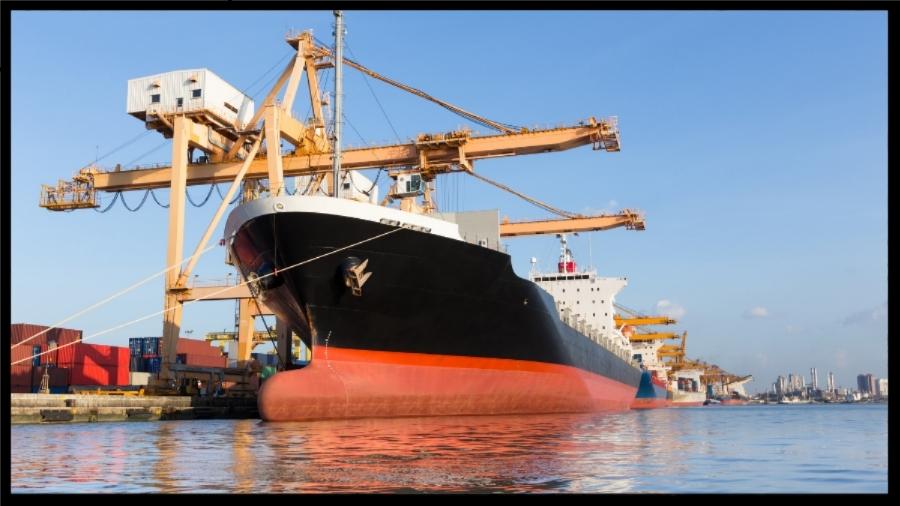
Hapag-Lloyd said the Middle East crisis is still costing it $50 million to $60 million per week, and that even if the region stabilises, it expects it will take 6 to 8 weeks to return its global network to normal conditions. Chief executive Rolf Habben Jansen said the company may reopen bookings into the upper Gulf in selected markets if the truce holds, but he also made clear that the disruption has spread far beyond a simple stop-and-start route problem. About 1,000 ships are still stuck in the region, including six Hapag-Lloyd ships with a combined capacity of about 25,000 TEU, and the company’s cost estimate has risen from the $40 million to $50 million per week range it gave in late March. The comments make clear that for liner shipping, a ceasefire headline is not the same thing as a normal operating environment, because equipment positioning, vessel rotation, customer bookings, crew movement, and schedule integrity all continue to recover on a lag.
Subscribe to the Ship Universe Weekly Newsletter
Click here for 30 second summary of the full piece ▶
The network is still bleeding long after the first shock
Hapag-Lloyd’s latest message is that the crisis remains expensive even after a ceasefire headline. The company says the disruption is still costing $50 million to $60 million per week and that normalisation across the network could still take 6 to 8 weeks once the region truly stabilises. That tells readers the damage is no longer just about blocked sailings. It is now about restoring vessel rotation, equipment balance, booking confidence, and schedule reliability across a global liner system.
- Weekly burden: the extra cost estimate has moved up again.
- Recovery lag: operational normality is still weeks away even if security conditions improve.
- Near-term signal: selected upper Gulf bookings could reopen first, not a blanket all-clear.
The company is saying the crisis has moved from immediate shock into expensive aftershock, where restoring normal liner operations takes much longer than restarting a single corridor.
| Fast reader take | Latest confirmed signal | Operational meaning | Negative liner consequence | Shows up first | Closest stakeholders |
|---|---|---|---|---|---|
| The weekly cost burn is rising, not fading |
Hapag-Lloyd now estimates the crisis is costing $50 million to $60 million per week.
$50m–$60m weekly
higher than prior range
|
The network is still operating in an expensive disruption mode, even after the first ceasefire headlines. | Margins remain under pressure and some of the burden may be passed on to customers. | Surcharges, booking selectivity, and cost recovery pressure. | Shippers, forwarders, contract customers, carrier finance teams. |
| Normalisation is measured in weeks, not days |
The company says it could take 6 to 8 weeks to return to normal once the Middle East stabilises.
6–8 weeks
network reset lag
|
Even if sailing conditions improve, liner networks still need time to unwind dislocation in vessel strings, equipment positioning, and schedules. | Service reliability stays impaired well after the first operational reopening steps. | Late arrivals, rolled cargo, missed connections, network patching. | Beneficial cargo owners, alliances, terminals, inland logistics planners. |
| Upper Gulf access may reopen only in selected pockets |
Hapag-Lloyd indicated it may reopen bookings into the upper Gulf in selected markets if the truce holds.
selected markets
conditional reopening
|
The company is not treating the current situation as a full corridor reset. It is preparing for a controlled and partial return. | Customers may see uneven availability by destination, service, and cargo type. | Partial booking release and market-by-market screening. | Upper Gulf importers, exporters, agents, regional terminals. |
| Trapped ships are still a major drag |
About 1,000 ships remain stuck in the region, including six Hapag-Lloyd vessels with around 25,000 TEU of capacity.
1,000 ships stuck
6 Hapag vessels
25,000 TEU
|
Capacity is physically present but commercially unusable until movement and repositioning become possible again. | Effective supply shrinks even before blank sailings and diversions are fully counted. | Tighter box availability and weaker schedule resilience. | Carriers, leasing firms, ports, cargo planners. |
| The crisis has already hit Hapag vessels directly |
In March, projectile fragments hit Hapag-Lloyd’s Source Blessing near the Strait of Hormuz.
Source Blessing
projectile fragments
|
Risk is not just theoretical. Carrier operating decisions are being shaped by recent direct exposure. | Security posture, routing, and acceptance thresholds remain tighter than normal. | Risk aversion and slower return-to-service decisions. | Carrier ops teams, marine insurers, cargo security managers. |
| The cost story has worsened over time |
Hapag-Lloyd was still talking about $40 million to $50 million per week in late March before raising that estimate this week.
late March lower range
cost escalation
|
The trend suggests disruption is persisting longer and proving harder to absorb than initially expected. | Budgeting, pricing, and quarterly visibility remain difficult. | More volatile customer pricing conversations and tougher guidance assumptions. | Investors, CFO teams, procurement teams, contract negotiators. |
Liner Recovery Cost Lab
This dashboard turns Hapag-Lloyd’s update into a practical network recovery model. It helps readers test whether the current picture still looks like acute disruption, an expensive recovery phase, or a clearer glide path back toward normal liner operations.
Network inputs
Use the checks and sliders to model how fast schedules, capacity, and bookings are really coming back.
Recovery supports
Ongoing disruption
Fine-tune the network picture
Operational readout
The model separates route reopening from network normalisation because those are clearly not the same thing in Hapag-Lloyd’s current guidance.
Hapag-Lloyd’s current message still looks like expensive recovery rather than stable normalisation.
We welcome your feedback, suggestions, corrections, and ideas for enhancements. Please click here to get in touch.