Greenland Tariff Standoff: Europe–U.S. trade friction re-enters shipping’s lane planning
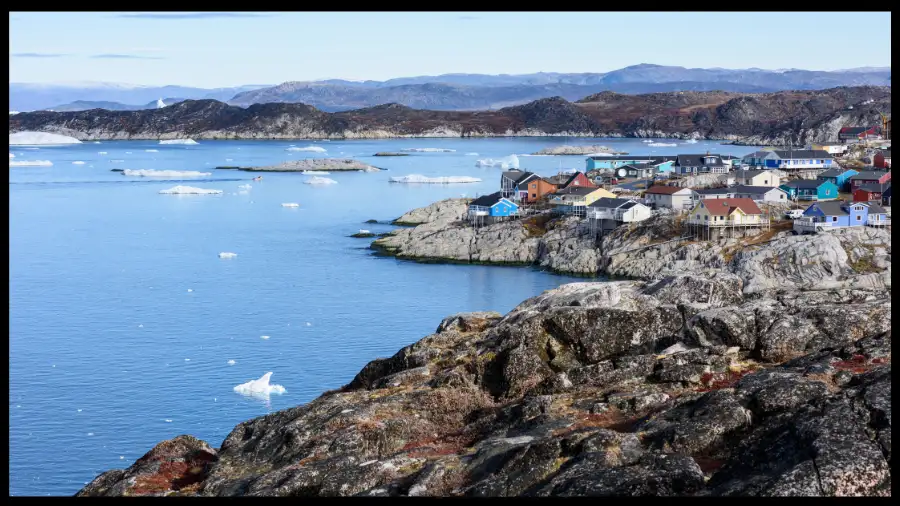
Tariff escalation tied to Greenland has moved from rhetoric into an actionable timeline, with reporting that the U.S. plans additional 10% import tariffs starting Feb. 1 on goods from Denmark, Norway, Sweden, France, Germany, the Netherlands, Finland and the UK, while EU leaders weigh countermeasures and step up Arctic posture messaging. The near-term impact is a familiar pattern: pre-deadline cargo pulls, reworked contract terms, and more uncertainty around Europe–U.S. volumes and equipment flows just as carriers are already juggling route security and reliability tradeoffs.
Subscribe to the Ship Universe Weekly Newsletter
Click here for 30 second summary
Tariff escalation tied to Greenland: key reported facts and timeline
Reports that the U.S. is threatening an additional tariff package linked to Greenland, aimed at goods from Denmark, Norway, Sweden, France, Germany, the Netherlands, Finland, and the United Kingdom.
-
Feb. 1, 2026
Reported start date for an additional 10% import tariff on targeted goods. -
June 1, 2026
Reporting describes an escalation to 25% if no deal is reached. -
Europe’s response posture
EU leaders and institutions are discussing countermeasures and wider Arctic security and investment messaging in parallel.
If the Feb. 1 tariff step (and any June escalation) proceeds as described in reporting, ocean shipping exposure concentrates on the Transatlantic lane through booking behavior ahead of the effective dates, contract repricing once duties apply, and equipment repositioning if volumes shift unevenly.
| Driver | What’s developing (reported) | First-order shipping effects | Watchpoints that move markets |
|---|---|---|---|
| Tariff timeline |
U.S. plans additional 10% import tariffs from Feb. 1 on goods from eight European countries tied to the Greenland dispute.
Countries reported: Denmark, Norway, Sweden, France, Germany, the Netherlands, Finland, UK.
|
Pre-deadline pull-forward risk: shippers accelerate bookings, then volumes soften after the date as inventories reset. | Specific HS-code scope and exemptions. “Broad-based” coverage changes the ocean mix more than niche lists. |
| Retaliation risk | EU institutions and capitals discuss potential countermeasures; reporting cites a large retaliatory tariff package under consideration. | Two-way tariff risk complicates contract pricing and raises dispute probability (incoterms, who pays duties, renegotiations). | When the EU publishes a target list, look for exposure in consumer goods and industrial inputs that ride container lines heavily. |
| Carrier network behavior | Trade-policy shocks rarely change routing; they change deployment and blanking discipline when demand turns uneven. | Spot rates can swing on short notice if carriers protect utilization with blank sailings, then chase rebound volume later. | Near-term indicators: capacity withdrawals, schedule changes, and how quickly carriers reposition empties across the Atlantic. |
| Equipment positioning | If shippers front-load into the U.S., equipment and boxes concentrate on one side, then need rebalancing. | Higher imbalance costs show up as longer dwell times, tighter availability in origin markets, and more reposition moves. | Port-level signals: rolling/rollover rates, export booking rejections, and container availability metrics. |
| Arctic posture overlay | EU leadership signals a stronger Arctic security package and investment focus around Greenland, including icebreaker capability discussions. | Mostly indirect near-term, but it can increase scrutiny and administrative friction for certain voyages and state-linked cargo narratives. | Any formal changes to Arctic infrastructure plans or security procedures that affect access, patrol tempo, or port operations. |
| Bulk and tanker read-through | Direct tariff exposure is most visible in containerized Europe–U.S. flows, but macro risk can bleed into commodity sentiment. | If broader trade slows, it can reduce industrial demand signals; the shipping impact is usually second-order and timing-dependent. | Watch refinery/industrial import patterns and whether tariff lists touch energy-related equipment or metals. |
Transatlantic trade policy shock
Tariff deadlines reshape shipping through timing, not geography
When tariff dates become credible, shipping sees it first in booking behavior and equipment balance. The lane can run “hot” into the deadline and “soft” after, even if the underlying consumer demand has not yet changed.
Timeline that matters to vessel planners
Tariff threats tied to Greenland are framed as escalating measures; EU leadership signals a “firm and proportional” response posture. Uncertainty is highest before scope lists are finalized.
An additional 10% import tariff is intended to take effect on goods from eight European countries. Booking behavior tends to react ahead of this date.
Escalation language to 25% if no deal is reached. Longer-dated contracting often references this second step.
Retaliation discussions can add a second swing by changing which cargoes become “at-risk” on the return leg. The list matters more than the headlines for trade mix.
Lane mechanics that show up on the water
If cargo is pulled forward, a short-lived surge can absorb capacity, then release it later as volumes normalize.
A one-sided rush can strand empties and chassis where they are least needed, forcing more reposition moves.
Deadline behavior tends to amplify bunching at origin gates, then uneven arrivals at destination terminals.
Rates can diverge between “deadline cargo” and flexible cargo based on cutoff certainty and space guarantees.
Monthly duty add-on (gross)
—
TEU/month × value/TEU × additional tariff rate.
Duty burden retained (net)
—
Gross × (1 − pass-through). A proxy for margin pressure.
Deadline shift volume
—
TEU pulled into the pre-deadline window.
Timing profile (illustrative): pre-deadline vs post-deadline
Operational friction score (simple index)
We welcome your feedback, suggestions, corrections, and ideas for enhancements. Please click here to get in touch.