French Detention Action Raises the Bar for Shadow Fleet Voyages
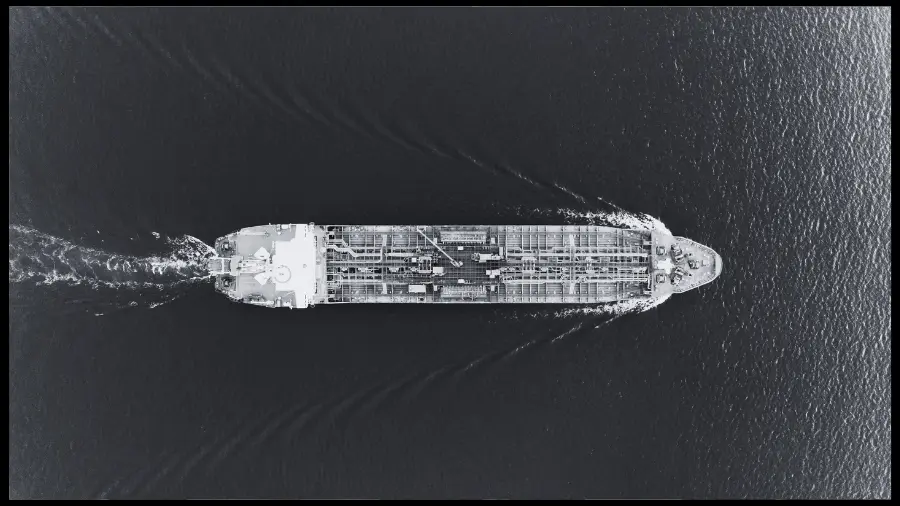
French naval forces intercepted the oil tanker Grinch in the western Mediterranean and redirected it to the Marseille Fos area as authorities opened a maritime-law investigation focused on flag authenticity and navigation documentation. The ship is suspected of operating under a potentially false Comoros flag, and French judicial authorities have detained the vessel’s Indian captain for questioning while the crew remains onboard at anchorage.
Subscribe to the Ship Universe Weekly Newsletter
Click here for 30 second summary of the full piece
Full read in 30 seconds
The Grinch case is a live example of enforcement friction hitting a voyage before it reaches its next commercial decision point. The action sequence includes interception, diversion to the Marseille area, and an investigation focused on flag validity and navigation documentation, with the captain detained for questioning while the ship remains held offshore.
- Event lineInterception in the western Mediterranean, diversion to the Marseille area, and a judicial process that is still in motion.
- Checks in motionFlag authenticity and document validity are the center of gravity, with clearance timing tied to verification steps.
- Execution pinch pointsAnchorage holds, added compliance interactions, and slower decision loops while facts are being validated.
- Exposure sizingThe embedded estimator converts assumed delay days into a simple view of incremental cost from time and bunkers.
| Trigger | Known facts | Execution friction | Commercial read-through |
|---|---|---|---|
| Interception and diversion | French forces intercepted the tanker in the western Mediterranean and redirected it to the Marseille Fos area for further checks. | Voyage clocks stop and restart around inspections, anchorage holds, and coordination with port and judicial authorities. | Even without a cargo incident, cycle time risk rises for sanction linked movements that rely on uninterrupted sailing. |
| Flag and documents under review | The inquiry is focused on the authenticity of the flag being flown and the validity of documents required for navigation. | Operators face more frequent requests for originals, faster re-check cadence, and higher odds of delays if anything is unclear. | Compliance credibility becomes a pricing variable, affecting chartering appetite, approvals, and payment comfort. |
| Captain detained, crew onboard | Judicial authorities detained the vessel’s captain for questioning while the crew remains onboard during the investigation. | Detention events can slow decision loops and extend time-to-clear, especially if multiple agencies are involved. | Counterparties may pause fixtures or tighten terms when the control and documentation picture is unresolved. |
| Departure pattern spotlight | Reporting places the vessel’s recent departure from Murmansk in early January, which adds sensitivity to onward movement narratives. | More scrutiny can attach to route history, AIS behavior, and ownership or management questions that normally stay in the background. | Higher diligence load can widen the gap between clean-profile tonnage and riskier tonnage in similar trades. |
| Watch list for the next 72 hours | Anchorage status, procedural milestones, and any formal actions linked to flag, documentation, or maritime-law findings. | Clearance timing becomes the core operational variable, not speed at sea. | Market impact shows up as added buffer time, tighter screening, and elevated uncertainty for similar voyages. |
Tanker diversion off Marseille puts flag and paperwork under the microscope
The intervention around the tanker Grinch is being handled as a maritime-law case built around documentation and flag questions. The sequence includes a naval interception in the western Mediterranean, diversion to the Marseille area, and a judicial investigation with the captain detained for questioning while the vessel remains held offshore.
Enforcement action
Interception at sea followed by diversion and anchorage hold pending checks.
Paper trail focus
Flag authenticity and navigation documentation are central to the inquiry.
Current posture
Detention and investigation stages drive clearance timing rather than sailing speed.
Execution pinch points
These are the practical friction channels that typically expand when a vessel is held for documentation or flag questions.
- Anchorage time expands while authorities validate documents and chain of control.
- Clearance steps multiply across port interfaces, legal process, and ship safety checks.
- Counterparty comfort can shift quickly while facts are still being established.
- Screening and compliance workflows intensify for the next voyage leg.
A simple event line helps operators monitor which phase the case is in.
Interception at sea and initial diversion sequence begins.
Vessel redirected toward the Marseille Fos area for further inquiry.
Captain detained for questioning as the investigation proceeds, crew remains onboard.
The operational variable to watch is time-to-clear. When the case is about flag and documentation, the voyage can remain in a holding pattern even without any physical casualty onboard.
Interactive hold-time estimator
This tool turns delay assumptions into a simple cost view. Use it to size exposure from anchorage time, added checks, and incremental spend while a ship is held.
Delay and Diligence Cost Estimator
Enter assumptionsDelay cost
-
Extra bunker cost
-
Total incremental cost
-
We welcome your feedback, suggestions, corrections, and ideas for enhancements. Please click here to get in touch.