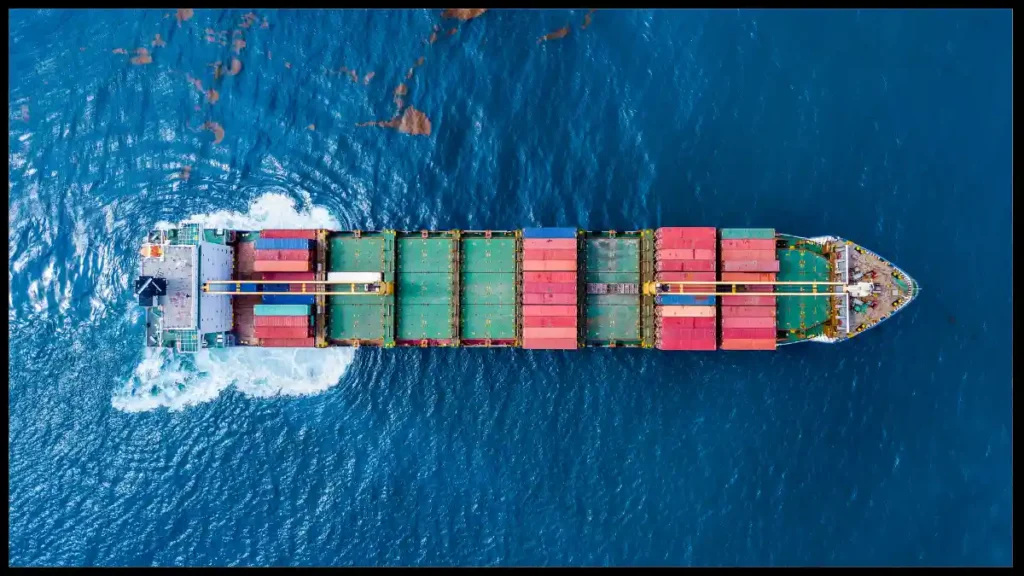
UN trade analysts see seaborne volumes barely edging forward in 2025 while costs stay elevated and routes stay long. Red Sea diversions, war-risk overlays, tariff noise, and tighter finance keep pressure on margins even as ton-miles remain high. The picture is lower demand growth, longer voyages, and higher operating friction, a tricky mix for rates, utilization, and cash flow.
UNCTAD 2025 Outlook - P&L Impact
Item
What Happened & Who’s Affected
Business Mechanics
Bottom-Line Effect
Slower headline growth
Seaborne trade expected to expand only marginally in 2025 after a modest 2024, with container growth subdued.
Less volume leverage on fixed costs; rate resilience depends on blank sailings and service cuts.
📉 Softer revenue visibility for liners and bulkers where supply is ample.
Longer routes and ton-miles
Diversions around chokepoints keep average voyage distances elevated across several trades.
More sailing days per cargo; higher fuel exposure; effective capacity removed.
📈 Utilization support and spot volatility; 📉 bunker and time costs rise.
Geopolitics and risk premia
Conflict zones and sanctions keep war-risk, insurance checks, and documentation burdens elevated.
Extra routing buffers, security surcharges, and underwriting questionnaires add time and cost.
📉 Opex and admin creep; 📈 episodic spikes in spot earnings on constrained lanes.
Sticky operating costs
Fuel, insurance, and compliance remain structurally higher than pre-crisis levels.
Lower breakeven only with disciplined speeds and tighter port calls.
📉 Margin squeeze if rates soften while costs stay high.
Finance and refinancing
Higher-for-longer rates and stricter banks raise debt service and covenant pressure.
Refi windows narrow; alternative capital more selective; sale-leaseback demand persists.
📉 Interest expense up; 📈 premiums for strong balance sheets.
Fleet supply vs demand
Newbuild deliveries remain heavy in some segments while demand growth cools.
Oversupply risk unless slow steaming and idling absorb capacity.
📉 Rate pressure where orderbooks peaked; 📈 older units face scrap risk.
Port efficiency gaps
Large performance spread between top Asian hubs and lagging gateways; dwell remains uneven.
Service reliability depends on berth productivity and landside velocity.
📈 Earnings concentrate at efficient nodes; 📉 congestion and storage fees elsewhere.
Policy and tariff noise
Trade restrictions and fee regimes add planning uncertainty and uneven demand timing.
Pull-forwards and whipsaws complicate network design and equipment balance.
📉 Yield volatility; 📈 demurrage/detention risk on mistimed surges.
Decarbonization spend
Efficiency retrofits and alt-fuel readiness raise capex for owners and terminals.
Higher upfront costs offset by fuel savings if bunker spreads cooperate.
📉 Near-term cash drain; 📈 long-run opex benefits for early movers.
Labor and crewing
Tight crewing pools and training needs for new tech/fuels keep wage and training costs firm.
Onboarding for alternative fuels and digital systems adds lead time.
📉 Opex uplift; ↔ safety and uptime gains if training pays off.
Note: Summary reflects current UN trade and development assessments and major news coverage of 2025 market conditions. Actual P&L impact varies by fleet mix, leverage, trade exposure, and port productivity.
📈 Winners
📉 Losers
Owners on long routes: elevated rerouting supports utilisation and keeps effective capacity tight.
Efficient port hubs: higher crane rates and fast yard flow attract mainline calls and tariff resilience.
Low leverage balance sheets: higher interest costs hit less where debt is modest and cash is strong.
Fuel-efficient fleets: modern tonnage and retrofit leaders carry lower breakevens as costs stick.
Index-linked COA holders: volume certainty and partial rate sharing cushion softer demand prints.
Specialty insurance and compliance: persistent risk premia sustain demand for screening and cover.
Spot-exposed liners: sluggish cargo growth and full orderbooks pressure yields and network utilisation.
Older, fuel-hungry ships: sticky bunker and maintenance costs erode TCEs on marginal voyages.
Highly levered owners: higher-for-longer rates raise debt service and tighten refinancing windows.
Lagging gateways: low berth productivity and long dwell lose share to top-tier ports.
Coal-heavy bulk exposure: weaker coal trade trims employment for panamax and kamsarmax tonnage.
Short-notice charterers: diversion buffers and documentation delays increase total voyage cost.
Growth looks soft and operating friction remains high. Longer routes help utilization in places but add fuel and time costs. Rate support will be uneven: stronger at efficient hubs and on lanes with diversions, weaker where orderbooks are heavy and demand is flat. Balance sheets and fuel efficiency matter more than usual. Key things to watch: days-at-sea added by rerouting, cash interest coverage, and landside turn times, these will tell you where the earnings are actually landing.