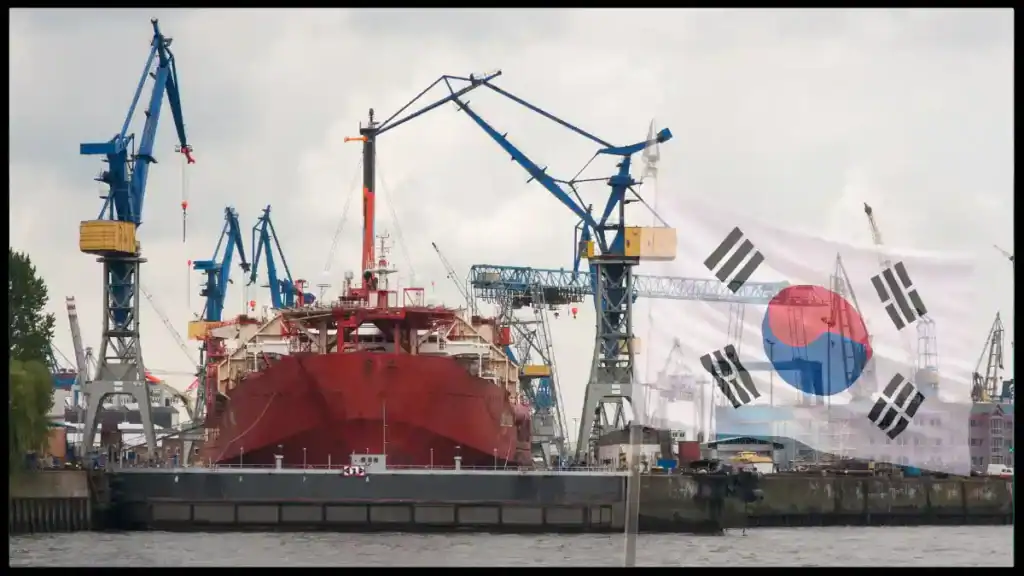
In recent weeks, South Korea has tightened its grip on the global shipbuilding market through a powerful mix of international defense contracts, strategic U.S. collaboration, and bold investments in both military and commercial yards. While diplomacy takes center stage, South Korean shipyards are quietly laying down hulls that will shape maritime operations for decades.
South Korea Shipbuilding Momentum
Initiative
Involved Parties
Description
Strategic Importance
Delivery or Impact Timeline
MASGA Task Force Activation
Hanwha, HD Hyundai, Philly Shipyard
South Korea forms joint task force to support $150B U.S. shipyard revitalization under "Make America Shipbuilding Great Again".
Diplomatic leverage + strategic foothold in U.S. market
2025–2035 phased rollout
KSS-III Submarine Batch II
Hanwha Ocean, HD Hyundai
Laying down keels for new-generation diesel-electric submarines with vertical launch capabilities.
Strengthens self-reliant naval power and export offerings
2025–2028
Rajah Sulayman OPVs
Hyundai Heavy, Philippine Navy
Ongoing delivery of 6 offshore patrol vessels under ₩744B contract with the Philippines.
Expands footprint in Southeast Asia’s naval markets
First ship launched mid-2025
Tariff Margin Pressures
Ministry of Industry, SME Exporters
15% U.S. tariff deal prevents a 25% shock, but suppliers voice concerns about thin margins under new trade pact.
High—affects competitiveness of smaller yards and parts makers
Immediate impact (Q3–Q4 2025)
U.S.–Korea Strategic Alliance Talks
U.S. Trade Reps, Korean Government
Washington pushes Seoul to co-lead anti-China countermeasures in global shipbuilding.
Shifts Asia-Pacific shipbuilding balance and financing coalitions
Still in negotiation (H2 2025)
Note: These developments reflect a blend of geopolitical alignment, regional defense partnerships, and innovation-focused investment, placing South Korea at the helm of global shipbuilding strategy.
Industry Impact Overview:
South Korea's shipbuilding resurgence in 2025 is reshaping the global naval and commercial landscape. As new contracts roll in and strategic partnerships deepen, especially with the U.S. and Southeast Asian nations, Korean yards are evolving into geopolitical and economic powerhouses. This wave of innovation, military collaboration, and tariff-driven repositioning is not only driving tech adoption but also redefining Asia-Pacific supply chains.
Key Impacts:
Increased global reliance on Korean defense shipbuilding due to geopolitical tensions and submarine export capabilities.
Tariff mitigation deals are reshaping supply strategies for Korean firms exporting to the U.S.
Commercial vessel innovation (e.g., green propulsion) gains momentum through multi-billion-dollar R&D budgets tied to strategic alliances.
Southeast Asia emerges as a key buyer, cementing Korea’s influence over Indo-Pacific naval infrastructure.
Financial and ESG requirements enter center stage, especially for deals involving export-credit agencies and long-term defense contracts.
Strategic Ripples from South Korea's 2025 Shipbuilding Surge
Strategic Shift
Who’s Impacted
Market Implications
Regional Reach
Mid-Term Outlook
Submarine Export Leadership
Defense Ministries, Allied Shipyards
Korea displaces Europe in non-nuclear sub deals
Asia-Pacific, South America
KSS-III Block II leads to long-term alliances
Tariff Engineering Partnerships
Korean OEMs, U.S. shipyards
Joint builds bypass high import tariffs
North America, East Asia
MASGA builds to expand through 2028
OPV Market Consolidation
Southeast Asian Navies, African coastguards
Korea undercuts European bids in OPVs
ASEAN, West Africa
Contracts expand into patrol logistics
Eco-Tech Spillover
Commercial fleet owners, R&D suppliers
Green R&D from naval builds spills into merchant sector
Global
Hydrogen-hybrid and methanol vessels gain traction
Financial Engineering for Export Credit
Financiers, Export Banks
ESG clauses now core to funding approvals
EU, Middle East, South Asia
Bond placement, ESG-linked loans increase in volume
Note: South Korea’s 2025 pivot is as much about geopolitics and energy transformation as it is about steel and propulsion.
As we track these developments in South Korean shipbuilding, it’s clear the landscape is shifting in both scale and strategy. From global defense collaborations to major commercial investments, these moves signal broader changes that could influence supply chains, standards, and timelines across the industry. We’ll continue monitoring how these shifts ripple through global maritime operations in the months ahead.