FMC Hits MSC With $22.67 Million Penalty in Shipping Act Billing Case
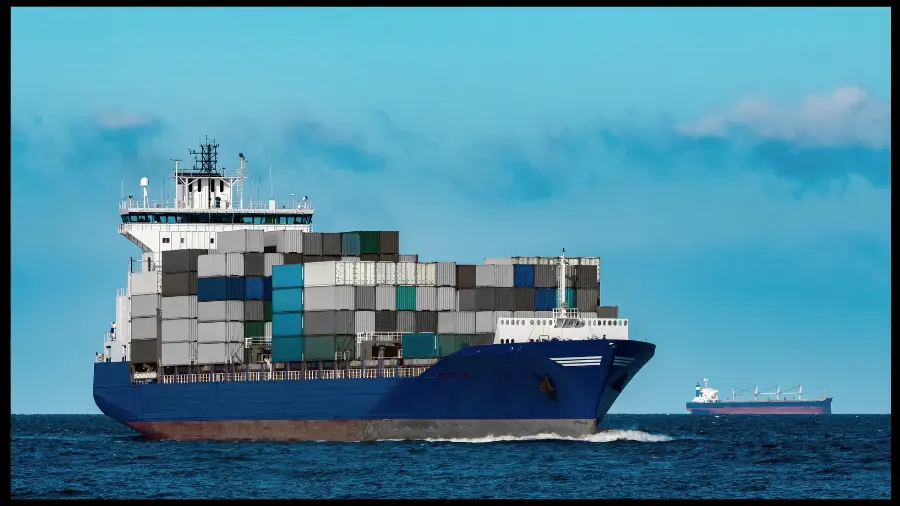
The U.S. Federal Maritime Commission has assessed $22.67 million in civil penalties against MSC Mediterranean Shipping Company after an enforcement proceeding that centered on how certain detention and demurrage charges were billed and disclosed. The decision bundles three distinct findings, spanning notify-party invoicing, tariff disclosure for non-operating reefers, and overcharge patterns tied to NOR billing, and it lands as a high-visibility marker for how the FMC is framing “unreasonable practices” in carrier billing systems.
Subscribe to the Ship Universe Weekly Newsletter
Click here for 30 second summary
FMC penalty decision in one read
The U.S. Federal Maritime Commission assessed $22.67 million in civil penalties against MSC in a Shipping Act enforcement matter focused on detention and demurrage related billing practices and tariff publication. The decision covers three findings: a small penalty tied to billing detention and demurrage to customs agents listed as notify parties, a larger penalty tied to tariff disclosure for non-operating reefer fees, and the largest penalty tied to overcharges connected to non-operating reefer detention and demurrage.
-
Total assessed
$22.67m across three violation findings. -
Largest slices
$13.145m tied to NOR overcharges and $9.46m tied to tariff disclosure for NOR fees. -
Time footprint
The Commission describes the conduct as spanning 2018 through early 2023 across the cited periods.
The decision elevates billing system behavior and tariff clarity as enforcement focal points, which is likely to pull more detention and demurrage disputes into early document checks on who was billed, what the tariff said, and whether patterns repeat.
| Billing issue bucket | Decision centers on | Time window cited | Penalty slice | Changes for day-to-day handling |
|---|---|---|---|---|
|
Notify-party invoicing
Merchant clauseD&D
|
Detention and demurrage charges billed to customs agents shown as “notify parties,” despite not being involved in moving the cargo.
Framed as an unreasonable practice under 46 U.S.C. 41102(c).
|
2018 to 2020 |
$65,000
Assessed for this violation type.
|
Counterparty mapping matters: “notify party” and “merchant” language is now a visible audit target in billing workflows and dispute files. |
|
Tariff disclosure for NOR fees
Tariff publishingNOR
|
Failure to include in the published tariff a statement of fees for non-operating reefers.
Addressed under 46 U.S.C. 40501.
|
2021 to early 2023 |
$9,460,000
Commission modified the willful period timing described in the record.
|
Documentation hygiene is in scope: tariff clarity and internal rate rules need to match, especially where special equipment is billed at different bands. |
|
NOR overcharges
Billing systemOvercharge pattern
|
Overcharging customers on detention and demurrage tied to non-operating reefers, treated as an unreasonable practice rather than a one-off error.
Decision cites overcharging in about 23% of NOR bills during 2021.
|
2021 |
$13,145,000
$5,000 per violation as assessed in the decision.
|
Error-rate exposure becomes quantifiable: recurring billing mismatches can be treated as a practice, not a simple correction item, when volume and repetition show up in records. |
|
Total case footprint
Docket 23-08
|
One enforcement record that connects invoice targets, tariff publication discipline, and billing system controls into a single penalty stack.
Civil penalties are paid to the U.S. Treasury general fund.
|
2018 to early 2023 |
$22,670,000
Total assessed civil penalties.
|
Expect higher friction on billing disputes: parties will pull tariffs, B/L clauses, and invoice logs earlier, and will pressure-test whether charges align to incentive and fairness concepts. |
$22.67m assessed across three findings in a single FMC enforcement record.
Detention and demurrage billing practices plus tariff disclosure and non-operating reefer related charges.
Conduct spans 2018 through early 2023 in the Commission’s description of the violations and periods.
- Carrier tariff sections that define fee categories and any special equipment handling that affects charge logic.
- B/L or service terms that define who is considered a merchant and who can be billed for detention and demurrage.
- Invoice history and exception logs that show whether a charge pattern repeats or appears isolated.
- Container status and equipment condition notes tied to non-operating reefer designations and how they trigger fees.
We welcome your feedback, suggestions, corrections, and ideas for enhancements. Please click here to get in touch.