Flex LNG Locks In Fresh Multi-Year Cover for Flex Aurora
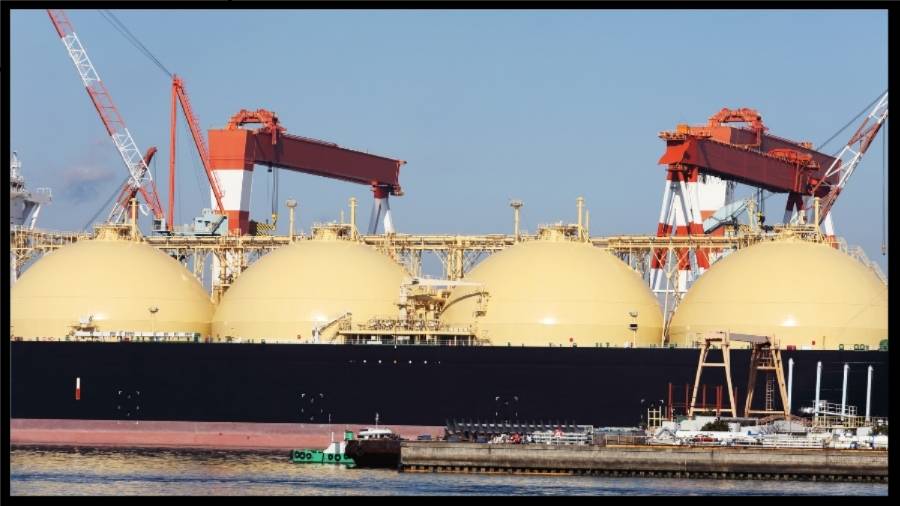
Flex LNG has announced a new time charter agreement for the 2020-built LNG carrier Flex Aurora, giving the vessel a firm minimum employment period of two years with additional charterer options that could extend the contract by another six years in three two-year steps. The company said the vessel was redelivered from its previous 3.5-year charter in the first half of March 2026 and has now secured prompt new employment with a supermajor. Flex LNG also said that, following the deal, its total contract backlog rises to a minimum of 55 years and could increase to 82 years if all charter options across the fleet are exercised. Management described the current LNG shipping market as firm, said the new contract is expected to contribute positively to second-quarter 2026 earnings, and noted that Flex Aurora would remain committed until 2034 if all extension options are taken up.
Subscribe to the Ship Universe Weekly Newsletter
Click here for 30 second summary of the full piece ▶
Flex Aurora moves from redelivery to fresh multi-year cover
Flex LNG has fixed Flex Aurora on a new time charter with a two-year firm period and extension options that could keep the ship employed through 2034. The vessel came off its previous charter earlier in March and was quickly re-employed with prompt delivery, adding more backlog at a time when the company says LNG shipping conditions remain firm.
- New deal: two years firm with 2+2+2 year options at the charterer’s election.
- Vessel profile: Flex Aurora is a modern 174,000 cbm LNG carrier built in 2020 with X-DF propulsion.
- Company effect: the contract lifts Flex LNG’s minimum backlog and keeps the vessel out of near-term spot exposure.
This is a straightforward employment win: quick rechartering after redelivery, more contract cover, and a longer potential runway if the charterer keeps extending.
| Contract lane | Current position | Immediate company effect | Earnings and backlog read-through | Fleet and market consequence | Next thing to watch |
|---|---|---|---|---|---|
| New charter signed |
Flex LNG agreed a new time charter for Flex Aurora with a firm minimum period of two years.
Fresh medium-term employment
|
The vessel moves quickly from redelivery into new work instead of sitting exposed for long in the prompt market. | A two-year base period improves earnings visibility and reduces near-term uncertainty around vessel utilization. | The quick refix suggests healthy demand for modern LNG tonnage even after a ship rolls off a previous charter. | The next read-through is whether the charterer eventually starts exercising the long option chain. |
| Option structure |
The charterer holds 2+2+2 year options on top of the firm period.
Long upside runway
|
Flex LNG secures a minimum base while retaining the possibility of much longer earnings cover if the ship performs well and market conditions support continuation. | Option-heavy charters can extend backlog materially without forcing the owner to lock the full term on day one. | The optionality reflects charterer interest in keeping access to modern LNG shipping without committing the full duration immediately. | The big question is whether the market remains firm enough for long options to be valuable from both sides. |
| Prompt redelivery, prompt refix |
Flex Aurora came off its previous 3.5-year charter in the first half of March 2026 and found new employment with prompt delivery.
Minimal idle gap
|
A short gap between charters helps protect utilization and reduces the earnings drag that can come from waiting for the next fixture. | Quick redeployment supports second-quarter earnings more effectively than a prolonged open position would have. | It also signals that charterers are still willing to act quickly for modern, efficient LNG carriers. | Investors will watch whether other open or rolling vessels see similar speed in finding new work. |
| Vessel quality |
Flex Aurora is a 174,000 cbm vessel built in 2020 with X-DF two-stroke propulsion.
Modern tonnage appeal
|
Efficient modern ships remain easier to place than older tonnage when charterers are balancing freight, emissions profile, and fuel efficiency. | Vessel quality can support stronger utilization and better chartering resilience across volatile freight cycles. | Charterers continue to show preference for newer ships when locking multi-year employment. | The market will keep watching whether modern X-DF and MEGI tonnage maintains a premium over older ships. |
| Backlog and earnings effect |
Flex LNG said the deal lifts minimum backlog to 55 years, with potential to reach 82 years if all options across the fleet are exercised.
Visibility improves
|
The company adds more forward cover while still keeping some exposure to a firm spot market elsewhere in the fleet. | Management said the new contract should contribute positively to second-quarter 2026 earnings. | The mixed model of contract cover plus remaining spot exposure gives the company both stability and some upside sensitivity to freight strength. | Guidance may still move if LNG shipping and energy-market volatility changes quickly. |
This tool turns a charter announcement into a cleaner commercial picture. Enter a daily rate assumption, the firm period, option years, and expected utilization to estimate the revenue protected by the firm term and the additional upside if the charterer keeps extending.
We welcome your feedback, suggestions, corrections, and ideas for enhancements. Please click here to get in touch.