First French-Owned Container Ship Exits Hormuz Since Iran War Began
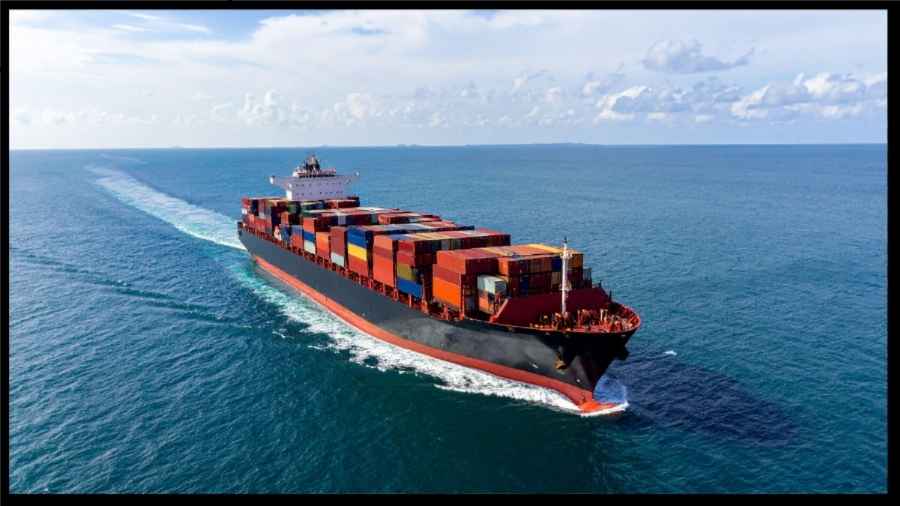
A CMA CGM vessel has become the first French-owned container ship known to exit the Strait of Hormuz since the war began on February 28, giving the market a new test case for how selective passage is working inside a corridor that still remains heavily constrained. The ship, CMA CGM Kribi, sailed under the Maltese flag from waters off Dubai, then tracked close to the Iranian coast through the channel between Qeshm and Larak before later signaling off Muscat. The crossing does not point to broad normalization in container shipping through Hormuz, but it does show that another Western-linked ship class has now managed a transit after earlier breakthroughs by Chinese container vessels and a small number of tankers and gas carriers. For operators, the latest development is less about a single ship and more about the lane structure now emerging: movement is possible, but passage still appears selective, politically filtered, and far below normal commercial flow.
Subscribe to the Ship Universe Weekly Newsletter
Click here for 30 second summary ▶
A French-linked boxship just gave the market a new passage test
The latest breakthrough through Hormuz came from the container side, with CMA CGM Kribi completing a westbound exit from the Gulf and becoming the first known French-owned container ship to do so since the war began. The transit stood out not only because of the ship’s ownership profile, but because the voyage was openly trackable, stayed close to the Iranian coast, and appeared to follow a narrow corridor between Qeshm and Larak before the vessel later signaled off Muscat. That route behavior matters because it reinforces the current pattern in Hormuz: selected ships are moving, but the corridor still looks managed, filtered, and far from anything like a normal container gateway.
| Operating lane | Latest marker | Immediate read | What it suggests | What it does not prove | Next checkpoint |
|---|---|---|---|---|---|
| French ownership signal | CMA CGM Kribi became the first known French-owned container ship to exit Hormuz since the war began. Western Europe-linked breakthrough | The corridor has now allowed at least one clearly Western Europe-linked container transit, expanding the list beyond Chinese and a few tanker or gas cases. | Passage appears to be opening in selected cases beyond Iran-friendly Asian operators alone. | It does not mean Western liner networks are broadly resuming ordinary Gulf schedules. | Watch whether more CMA CGM, MSC, Maersk, or Hapag-linked container ships follow within days rather than weeks. |
| Route geometry | The vessel stayed close to the Iranian coastline and used the channel between Qeshm and Larak. Managed corridor behavior | The transit looked deliberate and corridor-based rather than a loose return to open commercial sea room. | It points to an environment where ships that do move may still be doing so inside narrow, politically sensitive lanes. | It does not show that ships can now move freely on whichever track is commercially simplest. | Watch whether subsequent vessels copy the same near-coast routing pattern. |
| Open broadcasting | The ship’s movement was openly trackable rather than hidden by dark routing. Confidence marker with limits | This looked more confident than earlier cases where ships moved at night or reduced track visibility. | Operators may feel slightly more able to test the lane when passage is pre-understood or informally tolerated. | It does not remove the risk of turnback, delay, or renewed interference for future ships. | Watch whether AIS-off behavior falls as more operators test the corridor. |
| Container market context | Earlier Chinese ships had already shown that non-Iranian boxships could get through on a second attempt. Container precedent is growing | The French transit is not the first non-Iranian boxship move, but it is the first known French-owned case and the first clear Western Europe-linked example. | The boxship corridor may be inching outward from a very small set of tolerated cases. | It still does not show that container throughput is anywhere close to normal daily levels. | Watch whether next transits come from alliance partners or remain isolated exceptions. |
| CMA CGM backlog | The group had said 14 of its ships were stuck in the Gulf earlier in the crisis. One ship does not clear the queue | Even a successful exit by Kribi still leaves a broader fleet management problem around trapped or delayed tonnage. | The carrier may be testing whether selected ships can now be released gradually rather than keeping the whole queue frozen. | It does not mean the backlog has cleared or that line-haul schedule integrity is restored. | Watch whether CMA CGM updates booking policy, Gulf service patterns, or stuck-vessel counts. |
| Wider corridor status | Hormuz traffic has improved from the worst March freeze, but remains far below historical norms. Still a thin lane | The French transit fits a still-fragile reopening at the edges rather than a restored maritime artery. | Passage now seems possible for more vessel profiles than before, but only in a narrow and uneven way. | It does not erase the strategic reality that the strait remains filtered, militarized, and commercially unreliable. | Watch whether daily crossings become multi-day consistent or fall back again after this breakthrough. |
We welcome your feedback, suggestions, corrections, and ideas for enhancements. Please click here to get in touch.