First Barrels Back as Glencore and CPC Move to Restart Gulf Liftings
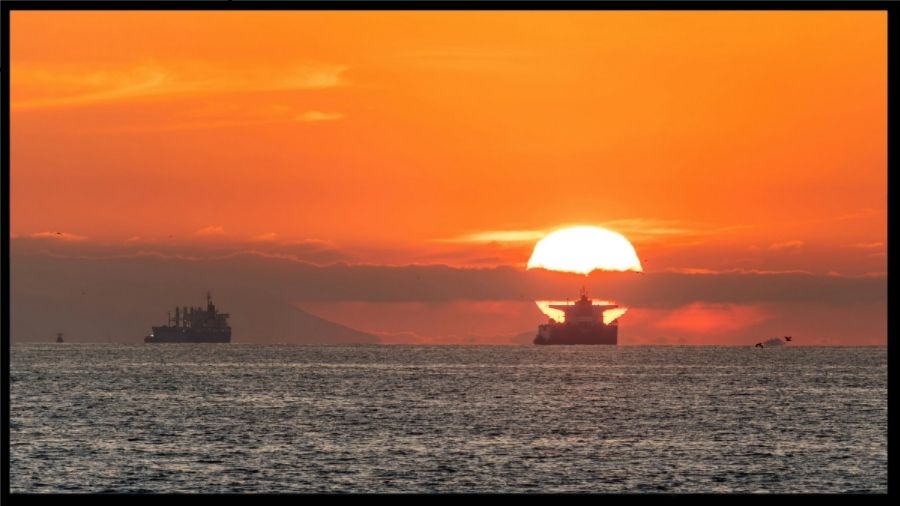
Glencore and Taiwan’s state refiner CPC have both chartered tankers to resume Middle East crude liftings into Asia after the U.S.-Iran ceasefire reopened at least a narrow path for traffic through Hormuz. Glencore booked a Suezmax to load Iraqi crude after an earlier attempt to secure a larger tanker failed, while CPC lined up a cargo of roughly 2 million barrels to cover more than two weeks of Taiwan’s needs. The fixtures matter because they are among the clearest commercial signals yet that buyers are prepared to test post-truce liftings, even though the market is still operating with elevated freight, war-risk, and route uncertainty. Iraq has said exports could return to pre-war levels within a week if the Strait stays open, but owners and traders are still dealing with lingering restrictions, high insurance costs, and the fact that the region is reopening into a system already distorted by backlog and disrupted flows.
Subscribe to the Ship Universe Weekly Newsletter
These fixtures matter because they are among the first real buying moves after the truce
The signal is not just that ships can move again. It is that refiners and traders are willing to commit freight and cargo plans back into the Gulf export system.
| Restart layer | Current position | Why it matters now | Commercial effect | Next signal to watch |
|---|---|---|---|---|
| Glencore fixture | Glencore has chartered a Suezmax to load Iraqi crude for Asia. An earlier attempt to secure a larger tanker had failed, so this newer booking looks like a more workable post-truce restart move. Trader-led restart signal | When a large commodity trader books a vessel back into the lane, it tells the market that at least some counterparties now judge the risk as bearable at current freight and insurance levels. | It helps reopen price discovery for actual liftings, not just paper expectations about a ceasefire. | Whether Glencore’s tanker actually loads and sails without delay or rerouting. |
| CPC fixture | CPC has lined up roughly 2 million barrels to help cover Taiwan for more than two weeks. That gives the cargo direct strategic meaning for an import-dependent economy that has been actively shoring up energy security. Refiner demand returning | This is not speculative tonnage. It is tied to a visible supply need. | Asian refiners get a clearer benchmark for when Gulf barrels may start physically re-entering normal procurement patterns. | Whether more Northeast Asian refiners follow with similar liftings over the next several days. |
| Iraq export readiness | Iraq says exports could recover to pre-war levels within about a week if the Strait stays open. That puts Iraq at the center of the earliest restart story because it lacks meaningful alternative export routes around Hormuz. Fastest volume comeback candidate | Iraqi barrels are among the most important to test whether reopening can become real throughput. | If Iraqi exports ramp quickly, tanker demand, loading programs, and Asian refinery intake patterns all adjust fast. | Whether Basra loadings accelerate and whether inventories are used to bridge the first week. |
| Freight and war-risk | Freight remains elevated and war-related insurance costs are still heavy. The lane may be open enough to book ships, but it is still expensive enough to distort voyage economics. Restart comes with cost drag | Owners still need compensation for uncertainty, mines risk, naval congestion, and fragile ceasefire conditions. | Only cargoes with enough urgency or margin can move first without waiting for cheaper cover. | Whether rates soften after several successful transits or stay sticky because confidence remains thin. |
| Regional buyer behavior | Asian economies spent the disruption period releasing reserves, boosting subsidies, and limiting some fuel exports. Now they are shifting from emergency management back toward live Gulf procurement. Emergency posture easing slowly | The first restart cargoes matter most in Asia because the region is heavily exposed to Middle East crude flows. | Procurement teams can begin moving from contingency sourcing back toward Gulf-linked liftings, though cautiously. | Whether governments unwind emergency measures as more cargoes actually clear Hormuz. |
| Market confidence | The ceasefire has opened a possibility, not restored a peacetime lane. The first booked ships are important precisely because the market still lacks full clarity on safe passage and long-term stability. Confidence still conditional | These early fixtures are test cases for whether the route is commercially usable or only politically reopened. | The next few sailings may shape freight, insurance, and crude differentials more than official statements do. | Whether actual transits start to build a repeatable pattern rather than remain isolated moves. |
The importance of these charters is that they move the Hormuz story from talk into execution. Buyers are no longer only waiting for clarity. They are beginning to place real ships against real Middle East cargoes again, even while the lane remains expensive and fragile.
The real story is not just fresh charters. It is the reopening of buyer conviction.
These bookings matter because they show who is willing to re-enter the lane first, and under what cost and timing pressure.
The market has been waiting for the difference between a ceasefire headline and an actual lifting decision. This is that difference. Glencore’s booking shows that traders believe at least some Iraqi barrels can be moved again into Asia under current conditions. CPC’s booking shows something equally important from the demand side: refiners with real supply needs are prepared to move beyond contingency planning and back into Gulf procurement. In a route that has been operating under closure, backlog, and mine-related navigation warnings, those first commercial commitments carry disproportionate signaling value.
The tanker market backdrop makes the restart more telling. Rates had already surged to six-year highs before the full war shock as exporters raced to move crude and mainstream tanker supply tightened. Since the conflict escalated, additional war-risk costs, insurer caution, and the diversion of ships into other trades have left charterers paying much more for certainty. That is why these first bookings matter. They are not happening in a cheap or calm market. They are happening in a market that still sees Hormuz as open enough to test but risky enough to demand a premium.
Iraq is likely to be the first big throughput test
Iraq has the strongest incentive to ramp quickly because Hormuz is essential to its export system. If Iraqi liftings restart cleanly, that will do more to calm the crude market than political messaging alone.
Taiwan’s move is about supply security as much as price
CPC’s cargo is sizeable enough to matter for short-term national supply cover, and it fits Taiwan’s broader effort to secure energy inflows after weeks of Middle East disruption.
Freight still filters which buyers go first
Only the buyers or traders with enough urgency, margin room, or strategic need will likely pay today’s freight and insurance stack early in the reopening phase.
Actual sailings now matter more than reopening headlines
The next important question is no longer whether the truce exists. It is whether these ships load, depart, and complete voyages in a way that other charterers are willing to copy.
Signals on the board now
The market is watching whether Basra liftings ramp, whether more Asian refiners follow CPC back into Gulf cargoes, whether freight and war-risk costs start easing after several clean sailings, and whether the ceasefire lasts long enough for these first charters to become a steady lifting pattern rather than a brief test.
Restart Lifting Economics Estimator
Model the cost stack of putting Gulf crude liftings back to work after a ceasefire while freight, insurance, and timing risk remain elevated.
This model is built for the first wave of post-truce liftings. It shows how restart cargoes can look commercially workable while still carrying a meaningful premium because freight, cover, and timing remain far from normal.
We welcome your feedback, suggestions, corrections, and ideas for enhancements. Please click here to get in touch.