False-flag tanker count jumps as Windward flags 285 vessels using fraudulent registries
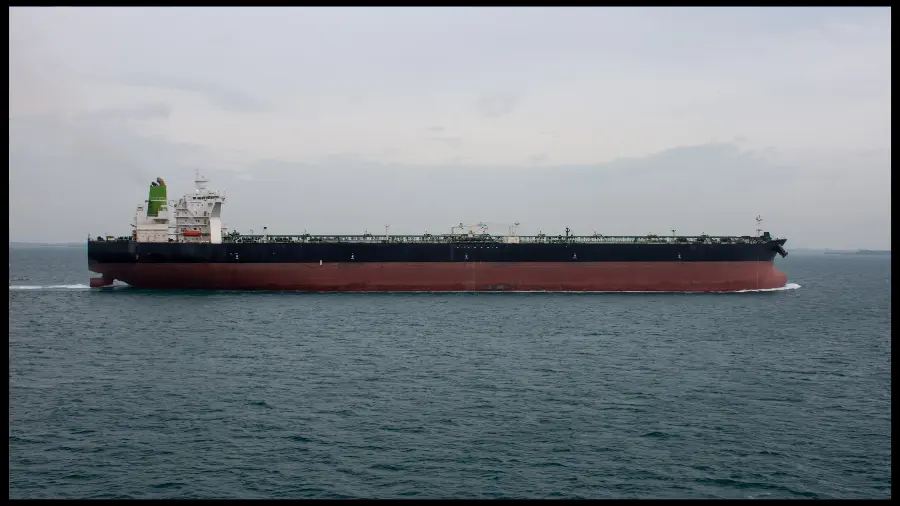
Windward data shows about 285 internationally trading tankers were broadcasting AIS under a fraudulent registry flag or a false claim of registration with a legitimate flag state as 2025 closed, despite a widening crackdown on false-flag behavior. Windward’s related analysis links the pattern to sanctions-linked trading, noting that a large share of vessels using fraudulent registries are already sanctioned by Western authorities.
Subscribe to the Ship Universe Weekly Newsletter
Click here for 30 second summary
False-flag tankers in one read
Windward-linked reporting says about 285 internationally trading tankers were broadcasting AIS under a fraudulent or unknown registry flag as 2025 closed. In related Windward material described in maritime coverage, the firm reviewed 540+ tankers and gas carriers tied to Iran-related trade and found nearly were falsely flagged, with more than 300 already sanctioned by the U.S., UK, or EU.
-
The two patterns
Fraudulent registries and false claims of registration with legitimate flag states, established through record checks referenced by Windward. -
Why it keeps surfacing mid-voyage
The broadcast can look normal on AIS while failing registry validation when checked by counterparties, insurers, terminals, or authorities. -
What changes in day-to-day workflows
Screening intensity rises, documentation gets re-checked closer to nomination, and late-stage holds become more common when proof of flag, class, or cover is incomplete.
A count in the high hundreds turns false-flag risk into an operating condition: more deals require verification packets, more voyages face revalidation, and compliant capacity can tighten in practice where counterparties refuse borderline documentation.
| Signal | Verified detail | Compliance and ops effect | Commercial read-through |
|---|---|---|---|
| Scale jump | Windward data points to about 285 internationally trading tankers broadcasting AIS under a fraudulent registry flag or a false claim of registration with a legitimate flag state. | More voyages trigger extra screening steps: flag validation, IMO cross-checks, beneficial ownership checks, and insurer questions. | Counterparty acceptance narrows, and fixtures can slow when documents need re-validation close to sailing. |
| Sanctions overlap | Windward reporting says a large majority of vessels using fraudulent registries are already sanctioned by Western authorities. | Higher likelihood of last-minute refusals by banks, insurers, terminals, and service providers if red flags surface late. | Higher friction premium for any trade that cannot cleanly prove flag, class, and cover. |
| Fraud patterns | Windward highlights two main patterns: fake registries and false claims of registration with legitimate flag states, based on IMO record checks. | Documentation checks become more than a formality, especially for port state control preparation and P&I verification. | More deals get priced with greater emphasis on paper quality and verifiable compliance, not just freight. |
| Crackdown backdrop | Reports describe an increasing crackdown on false-flag behavior, even as the number of suspect broadcasts remains high. | Higher chance of interdiction, diversion, or administrative holds where authorities focus on stateless or misflagged vessels. | Friction concentrates into specific corridors and services, tightening effective capacity for compliant tonnage in those lanes. |
| Immediate owner action set | This dataset is being used as a screening input in the market, not a future warning. | Expect more requests for: flag confirmation from primary sources, P&I verification, class status, and AIS integrity explanation. | Faster deal execution for ships that can produce clean validation packets at nomination, not after. |
-
Fraudulent registry flags
AIS indicates a flag that does not match any legitimate flag authorization for that vessel, often linked to registries flagged by the IMO. -
False claims of legitimate registration
AIS indicates a legitimate flag state, but verification checks against official records do not support the claim. -
Record-check backbone
Windward references cross-checking flag claims against IMO-related records as part of establishing false-flag status.
- Pre-fixture screening
Counterparty requests expand beyond name and IMO to include flag proof, class status, and cover validation. - Nomination package checks
Terminals and service providers may re-validate flag and ownership closer to call or STS activity. - Insurance and banking touchpoints
Sanctions overlap can trigger questions even when the physical voyage looks routine. - Port state control readiness
Nationality and flag affiliation documentation becomes a higher-frequency checkpoint.
- Flag confirmation from a primary source or registry evidence packet
- Class status and recent class survey position
- P&I confirmation and cover validity window
- Ownership chain and management company confirmation
- AIS integrity explanation if gaps, identity shifts, or unusual broadcasts appear
Interactive: Screening intensity triage (workflow aid)
Select the indicators you are seeing. This produces a simple screening level and a suggested document packet size. This is not legal advice and does not replace sanctions counsel or compliance teams.
A count in the high hundreds of suspect flag broadcasts functions like a capacity and execution-friction signal for compliant tanker trades: more transactions face re-validation, more voyages face counterpart questions, and late-stage holds become more common when flag, cover, or ownership cannot be cleanly confirmed.