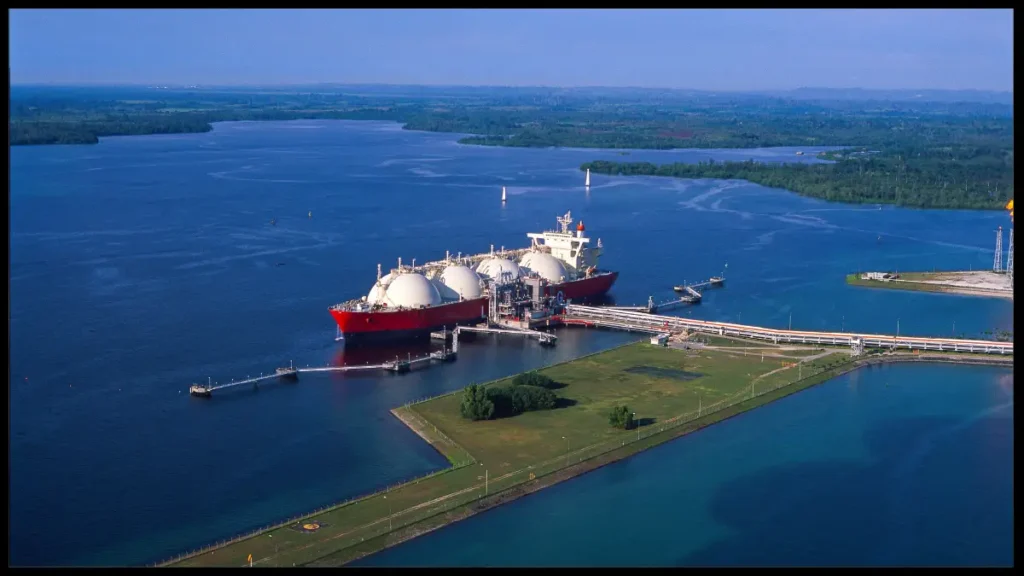
EU Sets Clock on Russian Gas: Industry Impact

πŸ“Š Subscribe to the Ship Universe Weekly Newsletter

Europe has taken a formal step toward ending Russian gas imports, with EU governments backing a phase-out that bans new contracts from January 1, 2026, winds down short-term deals by mid-2026, and ends long-term contracts by January 1, 2028, pending talks with Parliament. Some member states may get limited flexibility, and a separate sanctions track could bring forward an LNG ban to 2027. For maritime players, this redirects gas flows toward Atlantic LNG and non-Russian pipeline sources, reshaping tonne-miles, regas throughput, and charter demand.

EU Pathway to End Russian Gas: Maritime Impact
Story Summary Business Mechanics Bottom-Line Effect
Ban timetable set by EU governments No new Russian gas contracts from Jan 1, 2026; short-term contracts end by mid 2026; long-term deals end by Jan 1, 2028, subject to Parliament agreement. Regulatory certainty guides portfolio resets, hedging, and capacity bookings across 2026–2028. πŸ“ˆ Forward visibility for LNG carrier demand into Europe; πŸ“‰ declining outlook for Russia-EU gas trades.
Separate sanctions track on Russian LNG EU is weighing a sanctions package that could pull forward an LNG ban to 2027. Contracting and terminal planning adjust for a potential earlier LNG cutoff. πŸ“ˆ Potential extra tonne-miles from U.S., Qatar, and others if enacted; πŸ“‰ stranded risk for LNG tied to Russia.
Flexibility for some member states Limited leeway for landlocked or highly dependent states while the phase-out proceeds. Transitional use affects routing choices and short-term balancing. πŸ“‰ Uneven near-term impact by corridor; πŸ“ˆ broader EU trend still reduces Russian flows.
From ~45% to ~12–13% share Russia’s share of EU gas imports has already fallen sharply since 2021, but not to zero. Residual dependence means incremental shifts still move volumes and schedules. πŸ“ˆ Additional LNG pull into Atlantic basins; πŸ“‰ reduced pipeline reliance on Russia.
Longer routes into Europe Non-Russian LNG covers a larger share of EU demand as pipeline volumes from Russia wind down. More trans-Atlantic and Middle East-to-EU voyages; regas scheduling becomes a capacity gate. πŸ“ˆ Supportive for LNGC utilization and certain Atlantic-Med port throughput.
Portfolio reshaping Utilities and traders rebalance term vs spot exposure and diversify counterparties. Use of time charters, FSRU options, and regas capacity bookings to secure deliverability. πŸ“ˆ More predictable liftings on secure routes; πŸ“‰ higher admin/hedging cost per unit.
Tighter origin checks EU scrutiny increases to limit backdoor entries via re-exports or swaps. Documentation and traceability requirements intensify across charters and terminals. πŸ“‰ Longer fixture cycles and due-diligence costs; πŸ“ˆ premium for transparent chains.
Volatility management Shifts in seasonal balances and storage levels can swing delivered prices. Charterers balance prompt liftings with storage and hub spreads. πŸ“ˆ Earnings upside in tight windows for LNGCs; πŸ“‰ margin squeeze for buyers in price spikes.
Knock-ons to product and LPG trades Power and industry switching can alter product imports and LPG demand. Refinery runs and petrochemical feed choices shift regional flows at the margin. πŸ“ˆ Opportunistic lifts for clean tankers/LPG in certain corridors; πŸ“‰ uneven and seasonal.
Notes: Council position adopted on Oct 20, 2025; final legislation depends on negotiations with the European Parliament. LNG timing could tighten under separate sanctions. Segment impacts vary by charter cover, regas access, and portfolio exposure.

Key Dates at a Glance

Jan 1, 2026 β€” No new Russian gas contractsPolicy gate
Mid-2026 β€” Short-term deals sunsetPortfolio reset
Jan 1, 2028 β€” Long-term contracts end (pending Parliament)End state

Corridor Pressure Board

Route Operational tell P&L read
US Gulf β†’ NW Europe / Med (LNG) More term liftings into regas slots; tighter arrival windows in winter Supportive LNGC utilization; tighter berth calendars
Qatar / Mideast β†’ Europe (LNG) Scheduling around Suez capacity and seasonal demand Longer-haul tonne-miles aid earnings in peak periods
Pipeline backfill (non-Russian β†’ EU) Storage/linepack balancing, interconnect flows Maritime neutral; gas hub spreads steer LNG cadence
LPG / Products swing trades Refinery runs and petrochem feed shifts Opportunistic liftings for clean tankers/LPG carriers

Regas Gateways (EU)

Northwest Europe hubs Iberian terminals & cross-border flows Adriatic & Central Med regas FSRU deployments (select ports) Storage nodes tied to winter peaks

Compliance Stack

  • Cargo origin attestations and traceable chain-of-custody
  • Terminal confirmations aligned with EU rules and exemptions
  • AIS continuity across load, STS (if any), and discharge
  • Banking/P&I confirmations for sanctions and documentation sufficiency
  • Charter clauses for diversion/change-of-law and screening costs
Winners
LNG carrier owners EU regas & storage nodes Transparent traders & banks
Losers
Russia–EU gas routes Opaque chains & weak KYC Unhedged short-term buyers

Import Shift Estimator

0 voyages/yr
0 nm of tonne-miles (nm Γ— cargo count)
0.0 ship-years (utilization-adjusted)
Inputs are user-defined for illustration; results show scale, not forecasts.

Signals Board

  • New long-term LNG supply/charter announcements into EU ports
  • FSRU tenders, regas expansions, and winter slot allocations
  • Sanctions/exemptions that modify LNG timelines
  • Storage levels vs. hub spreads heading into peak seasons
  • STS activity and documentation quality on complex voyages
We welcome your feedback, suggestions, corrections, and ideas for enhancements. Please click here to get in touch.
By the ShipUniverse Editorial Team β€” About Us | Contact