Electric Cranes Hit the Baltic as Palfinger’s Polish Wind Deal Points to All-Electric Decks
Subscribe to the Ship Universe Weekly Newsletter
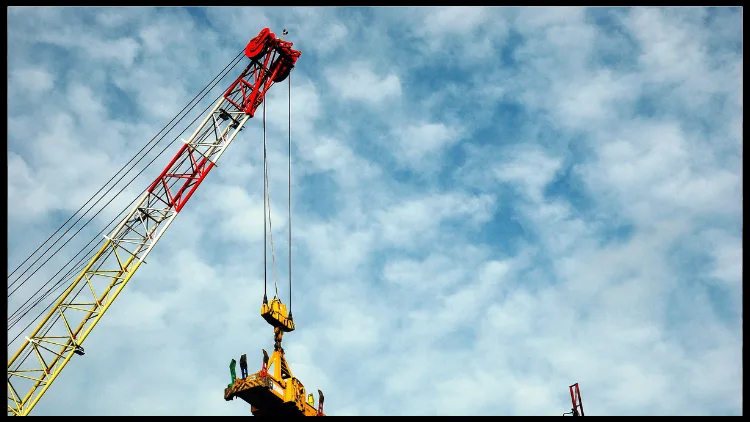
Palfinger Marine has secured a contract to supply fully electric offshore jib cranes for the Bałtyk 2 and Bałtyk 3 offshore wind farms in the Polish Baltic, a 1.44 GW project developed by Equinor and Polenergia. The DKJ500e cranes will be built in Gdynia and installed on the two offshore substations, alongside additional electric platform cranes that will serve 100 Siemens Gamesa turbines.
Click here for 30 second summary
Simple Summary in 30 Seconds
Palfinger is supplying fully electric cranes to big new offshore wind farms in the Polish Baltic Sea. These cranes run on electric power instead of oil-filled hydraulics and are built for long, low-maintenance service on unmanned substations. For shipowners, it’s a clear sign that future offshore wind work will expect clean, modern support vessels that can match this “all-electric” setup. Owners with young, wind-ready SOVs and CSOVs are well placed to win business, while older offshore tonnage may struggle to meet the new standard.
Baltic Offshore Wind Snapshot
Fields built around fully electric cranes need reliable, modern support vessels for decades of inspections, repairs, and parts runs.
- Owners with young, DP-capable SOVs and CSOVs can pitch “low-leak, low-noise” service packages.
- Hybrid and battery-assisted tonnage fits the same decarbonisation story as the electric deck gear.
- Early familiarity with these cranes gives a practical edge when more Baltic and North Sea projects follow.
Once electric cranes are the reference, older vessels and equipment look dated, even if they still work well.
- Legacy offshore units without modern power and data links may fall down the tender list.
- Retrofits add capex and yard time, and may still not match the newest specifications.
- Owners focused only on oil and gas work risk missing a growing pool of wind-driven demand.
Crane Tech Shift in One Glance
Hydraulic systems with large oil volumes, more hoses and seals, and more on-site maintenance. Proven, but harder to position as “clean” on new renewables fields.
Electric drives with minimal exposed components, designed for remote checks from shore and lower spill risk. Built for unmanned substations and long service intervals.
The more projects ask for all-electric lifting gear, the more pressure there is for support vessels and crews to match that standard in power, controls, and documentation.
Impact on Offshore Owners (Directional)
| Area | Relative impact bar |
|---|---|
| Wind-focused SOV/CSOV demand | |
| Need for tech upgrades on older units | |
| Day-rate upside on premium, “green” tonnage |
Palfinger’s move into fully electric offshore cranes at Bałtyk 2 and 3 underlines how quickly Baltic offshore wind is setting new technical standards for lifting equipment and support vessels alike. For offshore shipowners, the deal is a reminder that future O&M work will favour modern, low-leak, digitally connected units that can operate comfortably alongside all-electric platforms.
As more Polish and wider European wind projects follow a similar template, the owners who lean into this shift early through newbuilds or targeted retrofits may be better placed to secure long-term contracts in a market that is becoming more selective about both emissions and equipment. Those who hesitate may still find work, but increasingly on legacy projects and at more competitive rates.
We welcome your feedback, suggestions, corrections, and ideas for enhancements. Please click here to get in touch.