DP World Partner Investment Pause Puts Expansion Sequencing and Counterparty Confidence in Focus
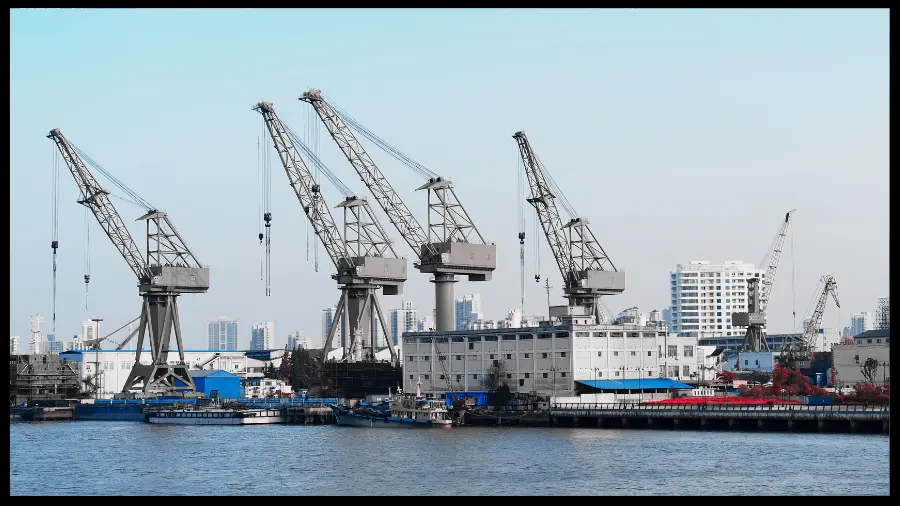
Two of DP World’s institutional partners have paused new investments or additional capital deployment alongside the company, turning the story into a near-term test of project momentum. The immediate question for the maritime market is not whether terminals keep operating, but whether the next tranche of expansion and concession work becomes conditional as partners wait for clarification and actions.
Subscribe to the Ship Universe Weekly Newsletter
Click here for 30 second summary
DP World partner pause in one read
Two major institutional partners have publicly paused new investments and additional capital deployment alongside DP World, citing the seriousness of allegations connected to newly surfaced materials that reference DP World’s chairman and CEO. DP World has declined public comment in reporting, and being named in such materials is not proof of criminal conduct. The immediate change is not operational continuity. It is whether partner capital for the next tranche remains available on schedule, or becomes conditional until clarification and actions satisfy partners.
-
Paused
British International Investment said it will not make new investments with DP World until required actions are taken. Canada’s La Caisse said it is pausing additional capital deployment alongside the company until clarification and necessary actions. -
Tends to Move First
Approvals and governance gates: sign-offs for new phases become slower, procurement awards can slip, and contractors wait for firmer go triggers. -
How risk gets re-priced
Lenders and public counterparts can push for tighter terms, more reporting, and clearer milestone triggers on projects needing long-dated commitments. -
Port users watch next
Whether partners define specific conditions and timeline for resuming, whether additional partners echo the pause, and whether any expansion milestones or capex pacing statements become more conditional.
The impact is a capital cadence test: if partner pauses persist, capacity adds and project conversion can slow, and counterparties may demand stronger governance and terms before committing to new port and logistics expansions.
| Fast decision takeaway | Pause / Triggers | Where expansion timelines can slip first | How counterparties may re-check risk | Near-term watch points |
|---|---|---|---|---|
| Capital cadence just got less certain |
Two major partners publicly indicated they are pausing new investments or additional capital deployment alongside DP World until concerns are addressed.
Practical effect: existing assets keep operating, but new phases that depend on partner approvals can slow.
|
Phased capex tends to feel it first: procurement awards, equipment programs, contractor mobilization, and start dates for civil works.
Even short pauses can create re-sequencing if milestones are interdependent.
|
LendersConcession authoritiesJV partners
Expect tighter diligence, more governance asks, and firmer milestone triggers before capital is committed.
|
Whether partners define conditions for resuming, and whether DP World signals specific governance or assurance steps. |
| Port users care about capacity adds, not daily ops |
The pause is not a day-to-day berth productivity story. It is a future capacity and project timing story.
The effect can be delayed, then felt when demand tightens or peaks.
|
Berth extensions, yard density upgrades, gate and rail capacity, and automation programs are often staged and can be re-phased.
Re-phasing can push back when resilience improvements arrive.
|
CarriersBCOsForwarders
Planners may lean harder on alternates and buffers if confidence in expansion dates weakens.
|
Any public changes to expansion milestones, capex pacing language, or project sequencing at key terminals. |
| New bids may get a higher governance bar |
Concession bids and renewals can become more governance-heavy when partners pause and ask for corrective actions.
This can affect both timing and the structure of future partnerships.
|
Bid pipelines may slow if equity assumptions change, if alternative partners are explored, or if approval layers increase.
Term sheets can become more conditional.
|
Tender committeesHost governmentsRegulators
More reporting, stronger guarantees, and tighter termination triggers can appear in negotiations.
|
Evidence of delayed tenders, adjusted bid participation, or revised concession timelines. |
| Financing mix can pivot by project |
If partner equity pauses, sponsors may lean more on internal cash, asset-level debt, or different equity partners for specific tranches.
That changes cost of capital and can slow approvals.
|
Smaller initial phases may be favored until clarity returns, stretching the timeline to full capacity.
Equipment programs are often easier to phase than major civil works.
|
OEMsEPC contractorsVendors
Vendors may shorten quote validity or require clearer go/no-go triggers.
|
Any announcements of alternative funding, new co-investors, or explicit re-phasing of capex. |
| Counterparty perception becomes a second-order risk |
Even without cancellations, a pause can slow long-dated commitments by increasing diligence and documentation.
The key distinction is short pause versus sustained pullback.
|
More time spent on assurance and governance alignment can slow decisions that normally move in parallel.
Decision friction can matter as much as capex.
|
Strategic customersPublic agenciesPartners
More due diligence calls, more conditions precedent, and slower approvals become the practical signals.
|
Whether additional partners follow suit and whether DP World provides a clear timeline or action plan response. |
The partner reactions are aimed at governance and reputational risk controls before additional capital is committed to new tranches. Operational continuity can remain intact while the timing of fresh co-investment becomes less certain.
The market watch is whether expansions and bids stay firm-date, or shift into conditional-date status tied to governance clarity and partner approvals.
| Who reacts | What they re-check | What shifts first | Early tell |
|---|---|---|---|
| Lenders | governancecovenantsconditions precedent | More documentation, slower committees, firmer drawdown triggers tied to governance assurances. | Longer financing lead time |
| Host authorities | delivery guaranteesstep-in rightsreporting | Contract language tightens around guarantees and termination triggers before awarding new tranches. | Heavier term sheets |
| JV partners | alignmentrisk controlsapprovals | More hold points before deployment and potential repricing of terms or governance controls. | More conditions before sign-off |
| Port users | capacity addsresiliencealternates | More contingency planning if expansion milestones look less firm, especially ahead of seasonal demand spikes. | Earlier schedule padding |
Converts a delay window into a directional exposure number for a corridor dependent on a capacity add. Output is a planning score, not a cost estimate.
Click here for 30 second summary
DP World partner pause in one read
Institutional partners publicly paused new investments or additional capital deployment alongside DP World, effectively adding a governance gate before new tranches proceed. Existing terminals can continue operating while the timing of fresh co-investment becomes conditional, which is where expansion schedules and new project conversion can start to drift. The practical signal is whether the pause resolves quickly with defined actions, or whether it extends into tighter terms, heavier conditions precedent, and slower approvals for future phases.
-
What is paused
New co-investment commitments and additional capital deployment are on hold from at least two partners until clarification and actions satisfy their governance requirements. -
What shifts first
Approvals for new phases, procurement awards, and contractor mobilization can slip because the funding trigger becomes approval-driven rather than calendar-driven. -
Where the spillover shows up
Bid pipelines and concession negotiations can become more conditional, with stronger reporting, milestone triggers, and tighter governance language requested by lenders and public counterparts. -
What to watch next
Whether partners define specific conditions to resume, whether any project milestones or capex pacing statements change, and whether additional partners echo the pause.
This is a capital cadence test: if partner pauses persist, capacity adds and project conversion can slow, and counterparties may demand tighter terms and governance controls before committing to new port and logistics expansions.
We welcome your feedback, suggestions, corrections, and ideas for enhancements. Please click here to get in touch.