HomeDiesel Restrictions: Russia’s Reseller Ban Rewires Parts of the Clean Products Map
Diesel Restrictions: Russia’s Reseller Ban Rewires Parts of the Clean Products Map
September 29, 2025
Russia has imposed a partial ban on diesel exports through year-end that targets non-producer “reseller” companies, while extending gasoline curbs over the same period. Producer-controlled exports, especially pipeline flows to Baltic and Black Sea outlets, continue, so global supply loss is limited. The immediate effects are more about “plumbing” than volume: tighter credit and compliance checks, some reshuffling of load programs and routes, and faster swing in diesel spreads and arbitrage windows. Near-term watchpoints are refinery reliability after recent outages, any policy expansion that touches producer flows, and how quickly traders substitute via pipelines, rail, storage, or alternative destinations.
Russia introduced a partial diesel export ban through year-end that targets non-producer resellers. Major producer exports via pipelines to Baltic and Black Sea outlets continue. Gasoline export curbs are extended to year-end with limited exemptions under state agreements.
Policy aims to protect domestic supply after refinery outages linked to drone strikes. Market plumbing changes, not a full halt of seaborne diesel.
↔ Overall diesel export volumes largely steady. 📉 Administrative and timing friction increases across specific channels.
Product tanker exposure
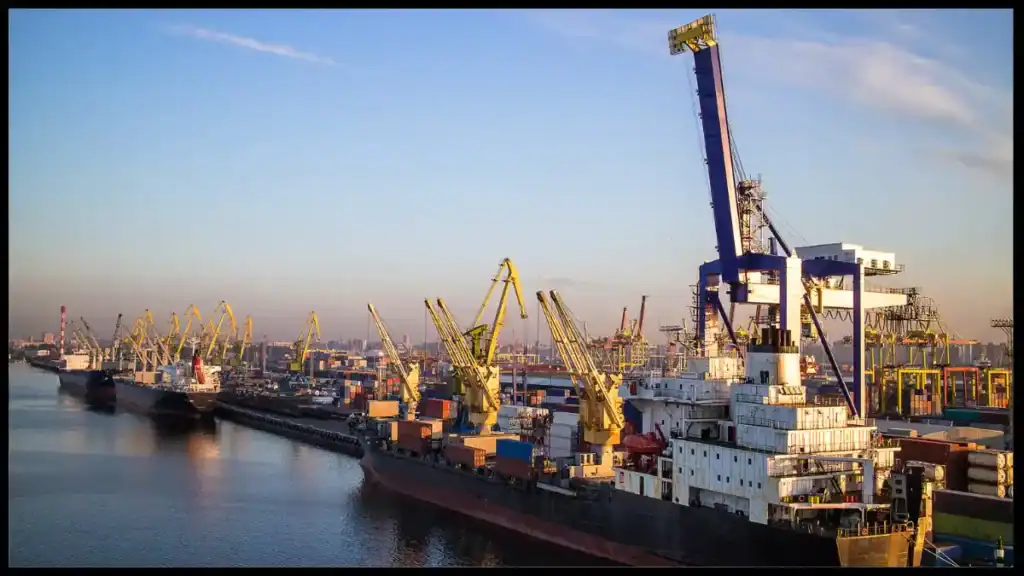
MR and LR owners trading out of Primorsk, Ust-Luga, Novorossiysk, and alternate load areas feel the first order effects as some reseller cargoes drop out or shift to producer-controlled flows.
Routing substitutions and load program reshuffles move parcels to different dates and destinations. War-risk and documentation checks remain in focus.
📈 Spot volatility and selective tonne-mile support on lanes where substitutes are longer. ↔ Limited if producers backfill quickly.
Trading and credit screens
Reseller-centric traders, banks, and insurers face extra scrutiny on beneficial ownership, title transfer, and compliance attestations.
Stricter KYC and letters of undertaking slow nominations and financing. Risk premia rise for opaque chains.
📉 Higher transaction costs and slippage risk for exposed counterparties. 📈 Service premium for clean counterparties.
Arbitrage and spreads
Diesel spreads react to headline risk and refinery outages. Rail flows to Central Asia and pipeline exports continue, muting global supply loss.
Arbs into Med and LatAm open and shut faster. More optionality around storage and STS timing near safe anchorages.
📈 Trading desks with flexible lift windows can capture short bursts. ↔ Limited sustained price uplift if physical volumes stay intact.
Refinery and bunker knock-on
Refinery outages inside Russia tighten local balances. Global crude prices showed knee-jerk support on the headlines.
If crude holds firmer, bunker costs creep higher. Freight earnings sensitivity shifts with fuel curves.
📉 Cost line pressure for fuel-hungry fleets. ↔ Impact depends on hedging and voyage economics.
Ports and terminals
Operators interfacing with Russia-linked diesel liftings adjust document checks and berth planning for shifting counterparties.
More pre-berth verification and occasional nomination changes. Terminal revenue resilience hinges on throughput mix.
↔ Outcomes vary by port risk appetite and producer share of flows.
Insurance and compliance
Clubs and war-risk underwriters fine-tune cover terms where cargo title or routing intersects with restricted entities.
Evidence chains, AIS audits, and attestations become more frequent. Faster decisions for transparent fleets.
📈 Pricing power for compliant service providers. 📉 Delay risk for unclear structures.
Forward watch
Officials signal further restrictions are possible if domestic tightness persists. Traders expect only small export changes unless producer flows are touched.
Headline sensitivity remains high. Real-world impact tracks producer pipeline schedules and refinery run rates.
📈 Episodic freight upside on dislocations. ↔ Base case is modest net effect on global diesel supply.
Note: Data compiled from official statements, regulatory notices, wire services and maritime trade outlets.
📈 Winners
📉 Losers
MR and LR product tanker operators on Atlantic and Med trades: routing substitutions and timing shifts add spot volatility and selective tonne-mile gains.
Producers and counterparties with transparent chains: cleaner documentation and title reduce friction as compliance screens tighten.
Ports, agents, and terminals with strong vetting capacity: faster pre-berth checks capture throughput as liftings reshuffle among counterparties.
Storage and STS service providers at safe anchorages: more use of buffering and timing options when arbs open and shut quickly.
War-risk and specialty insurers with robust KYC: higher demand for cover and attestations strengthens pricing power.
Brokers and traders with flexible lift windows: short dislocations around the Baltic, Black Sea, and LatAm lanes create tradable spreads.
Reseller-centric traders tied to Russia: export restrictions raise credit, timing, and counterparty risk on diesel programs.
Opaque ownership fleets and intermediaries: intensified documentation checks increase delay probability and financing friction.
Importers reliant on specific reseller channels: nomination changes and longer lead times add cost to delivered barrels.
Ports with limited compliance resources: slower processing risks lost calls when producers and traders reallocate liftings.
Fuel-intensive operators without hedges: any crude-led bunker firmness nudges voyage costs higher during disruptions.
Banks with high exposure to weakly documented flows: elevated due-diligence and potential step-backs from higher-risk clients.
By targeting reseller exports while leaving producer pipeline flows largely intact, Russia has shifted where the frictions sit rather than removing a big chunk of diesel from the market. The effect shows up in paperwork, timing, and routing: selective tonne-mile support for product tankers where substitutions lengthen voyages, higher premia for clean documentation, and a faster on-off rhythm in arbitrage windows. The bigger swing factor remains refinery reliability and any policy change that reaches producer volumes; absent that, the baseline impact is modest but noisy.