DHT trims older VLCC tonnage with sale of two 2007-built giants
Subscribe to the Ship Universe Weekly Newsletter
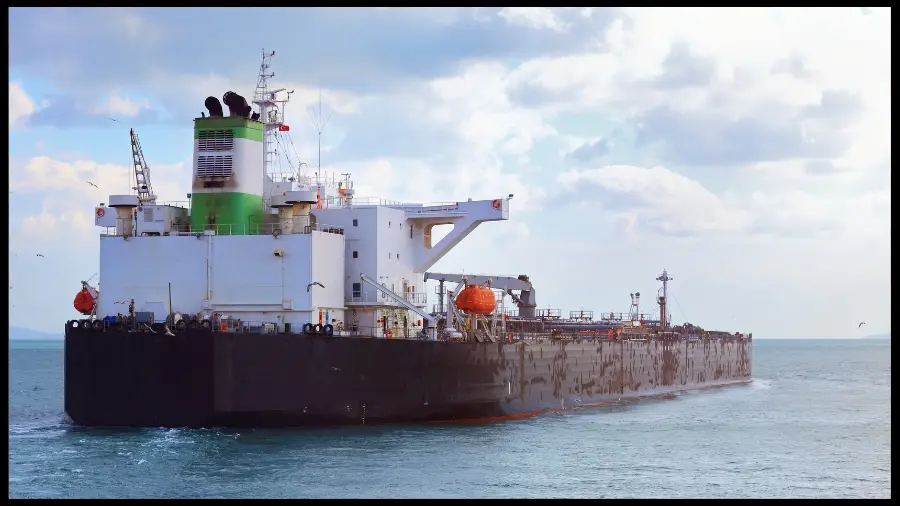
DHT Holdings has agreed to sell two 2007-built VLCCs, DHT China and DHT Europe, for a combined 101.6 million dollars, crystallising a sizeable cash gain and taking another step in its fleet renewal strategy. With delivery to the buyer expected in the first quarter of 2026, the move tightens available older VLCC supply at a time when crude trades are already feeling the impact of firm tanker demand.
30-second snapshot: DHT VLCC divestment
What DHT’s VLCC sale signals
DHT has agreed to sell two mid-2000s VLCCs at firm prices, crystallising gains from a strong secondhand market while trimming the older end of its crude fleet. The move is a small fleet change in absolute terms, but it adds another datapoint that late-2000s VLCC values are being supported by current earnings and buyer appetite.
- Deal basics – Two ageing VLCCs exit the listed fleet at levels that confirm today’s price floor for mid-life crude tonnage, with proceeds available for debt reduction, dividends or recycling into younger ships.
- Market read – Buyers stepping up for 15–20-year-old VLCCs in this environment underline confidence in near-term spot and period earnings, even as new environmental rules and fuel choices complicate long-term views.
- Signal to other owners – The transaction helps benchmark asset values, informs loan-to-value calculations and may encourage peers to test the S&P market with additional older units while sentiment remains supportive.
DHT turns two aging VLCCs into fresh cash as renewal push continues
Deal snapshot
| Item | Detail |
|---|---|
| Assets | Two 2007-built Hyundai VLCCs, around 318,000 dwt each, among the oldest in DHT’s crude fleet. |
| Timing | Sale announced in December with handover to the buyer scheduled within the first quarter of 2026. |
| Cash and debt | Headline price of about 101.6 million dollars, with roughly 5.6 million dollars of related vessel debt to be repaid and approximately 95 million dollars in expected net proceeds. |
| Accounting gains | DHT expects sizeable gains on disposal for each vessel, reflecting firm secondhand values for older VLCCs. |
| Fleet context | The divestment follows other 2025 sales of aging ships and continues a shift toward a younger, Korean-built VLCC mix. |
How it touches key stakeholders
Owner lens: DHT locks in gains on older steel, trims leverage and keeps balance sheet capacity for dividends, upgrades or future fleet moves.
Charterer lens: Oil majors and traders see two fewer DHT-controlled VLCCs in the pool, underlining how tight quality tonnage can become when owners sell instead of extending older hulls.
Market lens: The achieved pricing confirms strong appetite for 18 year old VLCCs, supporting residual values for similar ships across the sector.
| Angle | Bottom-line effect |
|---|---|
| Capital recycling | 📈 Converts two older hulls into a sizeable cash buffer that can support shareholder returns or new projects in a firm earnings environment. |
| Supply and earnings | 📉 Slightly reduces DHT’s lift-on-the-water but in a tight VLCC cycle can support rate strength for remaining ships in the fleet. |
| Asset values and peers | 📈 Sends a clear pricing signal for similar 2007-era VLCCs, which other owners and financiers can use in sale, purchase and refinancing talks. |
DHT’s latest VLCC disposals land at a moment when asset values and freight earnings are both under close scrutiny. The sale trims older capacity, reinforces price signals for mid-2000s crude tonnage and offers a fresh datapoint for lenders, peers and charterers watching the VLCC cycle. How other owners respond in the sale-and-purchase market over the coming months will show whether this is an isolated portfolio move or part of a wider phase of crude fleet reshaping.
We welcome your feedback, suggestions, corrections, and ideas for enhancements. Please click here to get in touch.