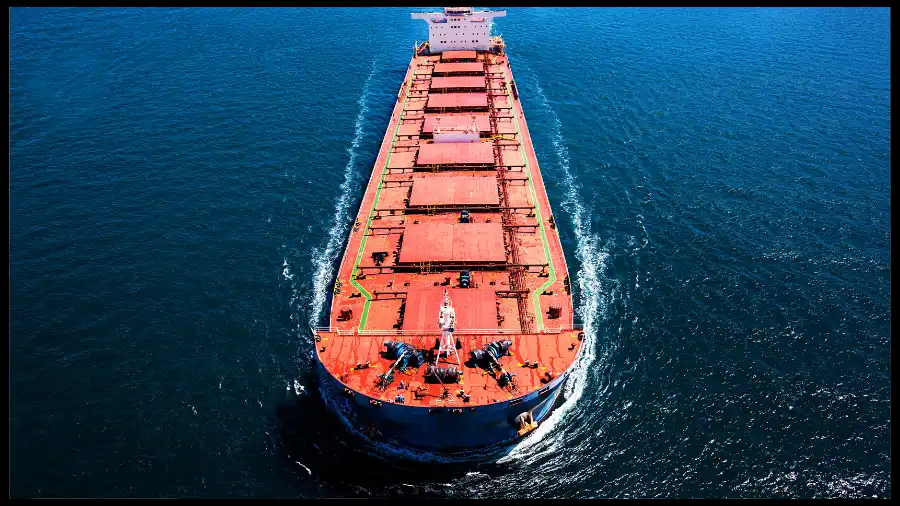
Oil prices fell to their lowest levels since May after markets priced in a higher chance of a Russia–Ukraine peace deal. The logic is simple: if diplomacy materially reduces sanctions pressure, more Russian barrels could reach the market, and that adds supply into a world where traders are already worried demand is not accelerating fast enough. For shipping, that quickly turns into bunker-cost swings, charter-party fuel exposure, and a different risk picture for tankers and energy-linked trades.
Click here for 30 second summary
Oil slides to a May low as peace-talk optimism grows
Oil prices fell to their lowest levels since May as markets reacted to signs that Russia–Ukraine peace discussions could be moving forward. The idea is that a credible path toward a deal could eventually ease constraints on Russian supply. Weaker China indicators were also cited as reinforcing demand concerns. In reported trading, Brent was around $59.53 a barrel and WTI around $55.76.
What moved
Brent fell below $60 for the first time since May, with WTI in the mid $50s as the market repriced supply risk and demand expectations.
Why it moved
Traders focused on the possibility that a peace deal could change the outlook for Russian barrels, and on softer China data that added to concerns about near-term demand.
Shipping angle
Lower crude can feed through to bunker markets and voyage economics, but the bigger shipping question is what happens to trade patterns. If flows normalize, tanker demand can shift through ton-miles and routing, while sanctions and compliance risk can remain complicated even if pricing reacts first.
Bottom line
The market is trading expectations as much as barrels. A sustained sub-$60 environment would ease fuel-cost pressure for many operators, while the longer-term impact for tankers depends on whether any geopolitical shift changes routes and volumes, not just headline prices.
Oil falls to a May low on Russia–Ukraine peace-deal optimism
Item
Summary
Business mechanics
Bottom-line effect
Price move and timing
Brent crude slipped below $60 per barrel, marking its lowest level since early May. Reports cited Brent near $59.70–$59.75 in early trading, with WTI in the mid-$50s.
The market repriced near-term supply risk as peace-deal expectations rose, while macro demand signals softened. The result was broad selling across the front of the curve.
📉 Potential bunker-cost relief for operators paying spot bunkers.
📉 Fuel hedges set at higher levels can become a drag until rolled off.
📈 Improved voyage margins for fuel-exposed trades if freight holds.
Russia–Ukraine channel
Traders focused on the idea that a credible path to a deal could reduce sanctions pressure and allow more Russian barrels into the market over time.
Even before barrels physically change, “expected supply” can move futures and spreads. Markets often price the probability-weighted outcome, then reprice quickly if headlines reverse.
📉 Tanker market can see mixed effects: more “clean” flows can shorten ton-miles versus rerouted sanction-driven patterns, but volumes could rise.
📈 Compliance and chartering clauses remain critical because policy and enforcement can lag headlines.
Curve structure signal
The six-month Brent spread reportedly moved into contango for the first time since October.
Contango generally suggests the market is less tight near-term. That can support storage economics and change how traders time cargoes, which can affect tanker demand patterns.
📉 Less “tightness premium” can reduce sudden bunker spikes.
📈 If contango widens, storage-linked tanker demand can improve at the margin, depending on rates and financing costs.
Demand concerns (China)
Softer China indicators were cited as reinforcing the view that demand may not absorb recent supply growth as smoothly as hoped.
Oil pricing is highly sensitive to marginal demand signals. When growth data softens, markets tend to price a lower call on seaborne crude and products.
📉 Refining throughput and product export flows can weaken if margins compress.
📉 Some trades may see lower liftings if buyers run lean inventories.
2026 expectations
Analysts referenced a 2026 market that many expect to be well supplied. One view cited a ~1.9 million bpd surplus and an expectation for Brent to average around $65/bbl in 2026.
If the market believes a surplus is coming, it tends to cap rallies and reward risk reduction by refiners and traders. That can keep bunker inputs softer but raise volatility around geopolitical headlines.
📈 Budgeting win: lower expected fuel costs can improve voyage planning and tender pricing.
📉 Risk: rapid reversals can punish operators who over-commit to low-bunker assumptions.
Notes: Figures and market structure points reflect public reporting that Brent fell below $60 (lowest since early May). Actual shipping impact varies by bunker procurement method, charter-party terms, route mix, and the path of sanctions policy and enforcement.
What this move is really about
This drop was driven by a shifting mix of expected supply and softer demand signals. Markets priced in a higher chance of progress on Russia-Ukraine diplomacy, which could eventually change how much supply reaches global buyers. At the same time, weaker China indicators reinforced demand concerns. The curve signal also mattered: the front of the market loosened, and the six-month Brent spread was reported to have flipped into contango, a structure that often appears when traders feel less near-term tightness.
✅ Near-term positives for shipping
Lower bunker input can widen voyage margins for operators paying fuel directly.
Budget relief for 2026 tenders where fuel is a major cost line, especially on long-haul legs.
Lower fuel can help keep marginal voyages workable even when freight softens.
⚠️ Near-term negatives and traps
Hedge drag risk if coverage was placed at higher levels and does not match real exposure.
Headline volatility can reverse quickly if talks stall or policy signals change.
Sanctions compliance stays complex even when pricing shifts on expectations.
Fast read: who feels this first
Fuel-paying operators (spot bunkers or on-hire fuel)
Often the quickest benefit. If the move feeds through to bunker markets, voyage breakevens improve.
Time-charterers with bunker exposure
May see impact faster than owners on pass-through terms. Lower fuel can support sharper cargo pricing.
Tanker owners (crude and products)
Mixed outcome. Volumes could improve, but ton-miles can change if trade routes normalize. Curve shifts can also alter timing and storage behavior.
Insurers, financiers, and compliance teams
The key issue is policy clarity, not just price. Requirements around due diligence and restrictions can lag the news cycle.
👀
What to watch next
Operational signals you can monitor without waiting for a weekly report
1
Brent curve shape
Watch whether contango widens or snaps back. This often moves sentiment faster than spot headlines.
2
Physical differentials
Check whether key regional grades soften in step with futures, or stay sticky due to local balances.
3
Bunker pricing by port
Track VLSFO and HSFO at your main bunkering ports. The pass-through from crude is not always immediate.
4
Policy clarity vs headlines
Separate talk progress from concrete steps. Compliance requirements can shift later than pricing does.
5
Demand confirmation
Watch the next China demand datapoints and refining signals. Confirmation can extend the move, a rebound can reverse it fast.
6
Freight and ton-mile signals
Monitor whether routes normalize or stay rerouted. That difference can matter as much as total volumes for tanker earnings.
Tip: pick three indicators you can check daily (one curve metric, one bunker port, one policy signal) and keep the rest weekly. It reduces noise without missing turning points.
Oil’s slide below $60 shifted the mood across energy-linked shipping, with immediate attention turning to how quickly bunker prices follow and whether the forward curve stays in contango. If the market keeps leaning toward a well supplied 2026, fuel costs may remain less of a headwind for operators than they were earlier in the year, even as uncertainty around diplomacy and sanctions continues to shape trade behavior. For tankers, the bigger question is whether any easing of geopolitical pressure changes routing and ton-miles, or simply adds volume while compliance and enforcement remain uneven across regions.