Cranes Quiet, Schedules Slip: Rotterdam Strike and Antwerp-Bruges Pilot Protest Snarl Box Flows

πŸ“Š Subscribe to the Ship Universe Weekly Newsletter

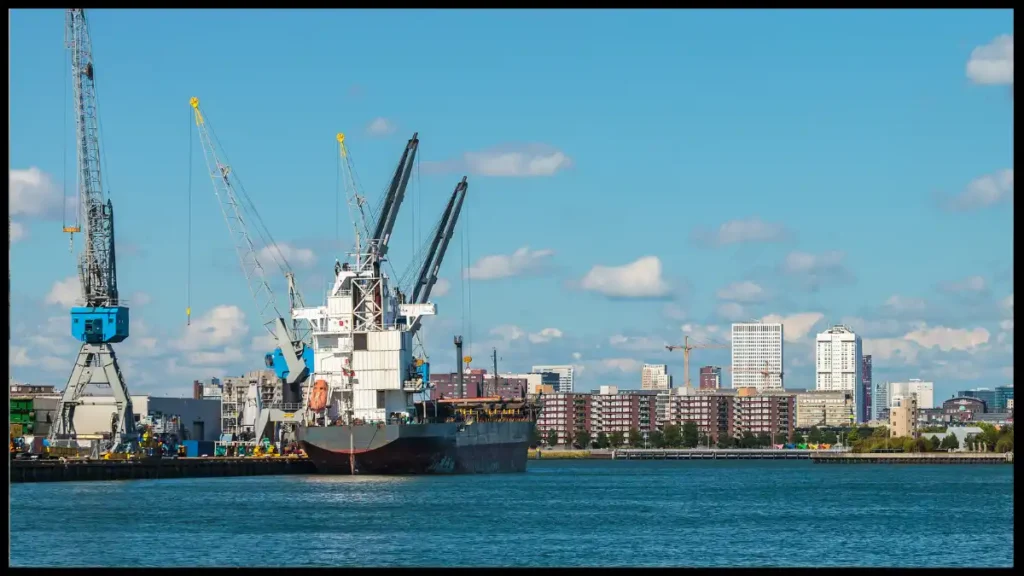
Container work at Rotterdam paused for a 48-hour lasher strike from Wednesday, October 8 at 15:15 through Friday, October 10 at 15:15, while nearby Antwerp-Bruges has been slowed by a multi-day harbour-pilot protest that cut daily vessel moves roughly in half. The twin disruptions mean idle ships, bunching at anchor, and diversions just as North Europe gateways work through recent weather backlogs. Expect rollover risk, extra port stays, and higher delay costs until normal staffing resumes.

Rotterdam & Antwerp-Bruges Strikes - Industry Impact
Story Impact Business Mechanics Bottom-Line Effect
Rotterdam lasher strike, 48 hours (Oct 8, 15:15 to Oct 10, 15:15) Loading and discharge paused where lashing teams are required; ships queue and ETAs slide. Lashers from ILS and Matrans stop work, so container moves halt even if cranes and yard are ready. πŸ“‰ Extra port time, tug and pilot charges on extended stays; πŸ“ˆ demurrage/detention risk for cargo owners.
Antwerp-Bruges harbour-pilot protest, fourth day Daily vessels handled dropped to about half of normal, with delays and diversions reported. Work-to-rule slows boarding and movements, affecting Antwerp and Zeebrugge entries and sailings. πŸ“‰ Idle time and fuel burn increase; πŸ“ˆ cascading delays for feeders and barge/rail links inland.
Backlog builds at anchor Reported waiting vessels rise above typical levels as fresh arrivals meet paused operations. Prior weather disruption plus stoppages compound quay and pilotage bottlenecks. πŸ“‰ Schedule reliability declines; πŸ“ˆ some carriers add congestion surcharges on affected loops.
Diversions constrained by regional spillover Usual relief at Antwerp-Bruges is also slowed, reducing practical reroute options. Alternate North Sea gateways face bunching risk as lines probe spare berths and windows. πŸ“‰ Higher steaming and berth-window costs; ↔ limited relief until pilots resume normal tempo.
Export gates and equipment turn Gate rhythms and yard stacks skew, creating short-term empties imbalance. Missed exports reduce equipment returns inland, while imports sit longer on dock. πŸ“‰ Trucking and barge costs up; πŸ“ˆ higher risk of storage fees and rollovers.
Contract mix and premium space Spot shippers face higher rollover risk; premium no-roll options gain traction on key services. Carriers prioritize long-term allocations and reefer or time-sensitive boxes when berths reopen. πŸ“ˆ Premium and priority fees see uptick; πŸ“‰ ad hoc shippers absorb delay costs.
Barge and rail ripple through Rhine-Scheldt corridors Planned transfers slip, forcing re-slots and longer dwell at terminals. Inland depots see bunching after quay restarts, stretching chassis and driver availability. πŸ“‰ Higher inland surcharges and rescheduling penalties; ↔ temporary once quay work normalizes.
Delay, demurrage, and force-majeure reviews Charter parties and service contracts tested by labour-related stoppages. Notice periods, exceptions, and laytime clauses drive who bears which costs. πŸ“‰ Potential claims uptick; πŸ“ˆ legal/admin spend rises around prolonged stoppages.
Notes: Timings and conditions reflect reports. Effects vary by service string, terminal window, and inland connection.
πŸ“ˆ Winners πŸ“‰ Losers
  • Carriers with flexible North Europe windows: ability to reroute to nearby hubs keeps liftings closer to plan.
  • Ports with spare berth capacity (e.g., Hamburg, Bremerhaven, Le Havre): pick up ad hoc calls and volume spillover.
  • Premium space products: priority and no-roll options see higher uptake as rollover risk rises.
  • Inland depots with chassis and storage availability: overflow boxes generate extra storage and handling revenue.
  • Feeder and shortsea operators on alternate routings: diversion and re-slotting create incremental sailings.
  • Bunker suppliers at diversion waypoints: extra steaming for detours and longer port stays lifts demand.
  • Claims handling and legal services: more disputes over laytime, demurrage, and force-majeure provisions.
  • Rotterdam and Antwerp-Bruges terminals: halted or slowed moves cut throughput and raise yard congestion costs.
  • Spot shippers and late-booked boxes: higher rollover risk, premium surcharges, and missed delivery windows.
  • Truck, barge, and rail links: schedule slippage and bunching increase wait times and re-slot penalties.
  • Reefer and time-sensitive cargo: dwell-time sensitivity triggers additional power, monitoring, and claim risk.
  • Feeder schedules tied to mainline arrivals: knock-on delays force re-cut voyages and idle time.
  • Carriers with tight berth windows and no alternates: idle ships, extra tug and pilot charges, and fuel burn at anchor.
  • Importers with just-in-time inventories: stockouts and expedited downstream logistics raise landed costs.
Strike Timeline β€” North Europe Gateways (Oct 8–10)
When Rotterdam Antwerp-Bruges
Oct 8 (Wed) 15:15 Lasher strike starts; container lifts requiring lashing pause Pilot protest ongoing; vessel movements slowed
Oct 9 (Thu) Ships queue; export/import windows miss planned slots Daily handled vessels ~half of typical; schedule bunching
Oct 10 (Fri) 15:15 Strike end slated; recovery ramps pending staffing & berth order Pilot tempo updates dictate clearance of waiting tonnage
Gateways in Focus β€” Status Signals
Rotterdam: container lifts paused where lashing required Antwerp: pilotage tempo reduced Zeebrugge: entries/exits moderated North Sea alternates: bunching risk if diversions rise
Impact Matrix β€” Rotterdam & Antwerp-Bruges Strikes
Segment Immediate effect Financial angle
Liner operators Idle time at anchor; missed pilots; diverted calls Extra steaming & port costs; schedule recovery spend; potential congestion surcharges
Terminals Quay/yard imbalance; reefer power demand rises with dwell Throughput dip; higher yard handling costs; storage revenue pockets
Barge/Rail/Truck Re-slotting inland moves; turn times lengthen Wait fees and penalties increase; asset utilization falls mid-event
Cargo owners Rollovers and later ETAs; DC replenishment slippage Detention/demurrage risk; expedited downstream spend
Queue & Dwell β€” Early Read
Indicator Rotterdam Antwerp-Bruges
Vessels waiting at anchor Elevated vs typical, tied to lasher pause Elevated amid reduced pilot throughput
Average dwell (imports) Up β€” gate rhythm disrupted Up β€” clearance paced by pilotage
Export cut-off adherence Miss risk higher; rollovers reported Miss risk moderate-high
Cargo Sensitivity β€” Near-Term
Cargo type Sensitivity Typical effect
Reefer High Power & monitoring costs rise with dwell; claim risk increases
Retail & promos High Shelf-date misses lead to markdown or air/road expedite
Automotive Moderate-High Line-down risk at plants; VOR parts move to premium services
Chemicals & DG Moderate Storage constraints trigger relocations and extra handling
Aftershock Calendar β€” First 7–10 Days Post-Strike
Window Rotterdam Antwerp-Bruges
Days 1–3 Berth plan reset; priority to delayed mainline calls Pilot queue normalization begins; spillover clears gradually
Days 4–7 Feeder catches up; inland dwell remains elevated Feeder/barge cadence stabilizes; residual bunching fades
Days 8–10 Stack profiles normalize; storage peaks roll off Most scheduled windows back in line with plan

Sailings into North Europe will feel the ripple effects beyond the strike window. With Rotterdam’s lifts paused and Antwerp-Bruges moving at half-tempo, vessels have stacked up, equipment is out of position, and inland slots are tight, conditions that typically take at least a week to unwind even after labor returns. Expect staggered berth plans, feeder re-cuts, and elevated dwell for reefer and time-critical boxes as terminals work through the queue.

The immediate hit is time and money, idle ships, extra port costs, and missed delivery windows, while the medium-term risk is a patch of softer schedule reliability just as peak season allocations shuffle. If pilotage cadence and lashing teams normalize on time, recovery should be orderly; any extension would push carriers toward more diversions and premium space sales, shifting costs down the chain into late-October arrivals.
We welcome your feedback, suggestions, corrections, and ideas for enhancements. Please click here to get in touch.

By the ShipUniverse Editorial Team β€” About Us | Contact