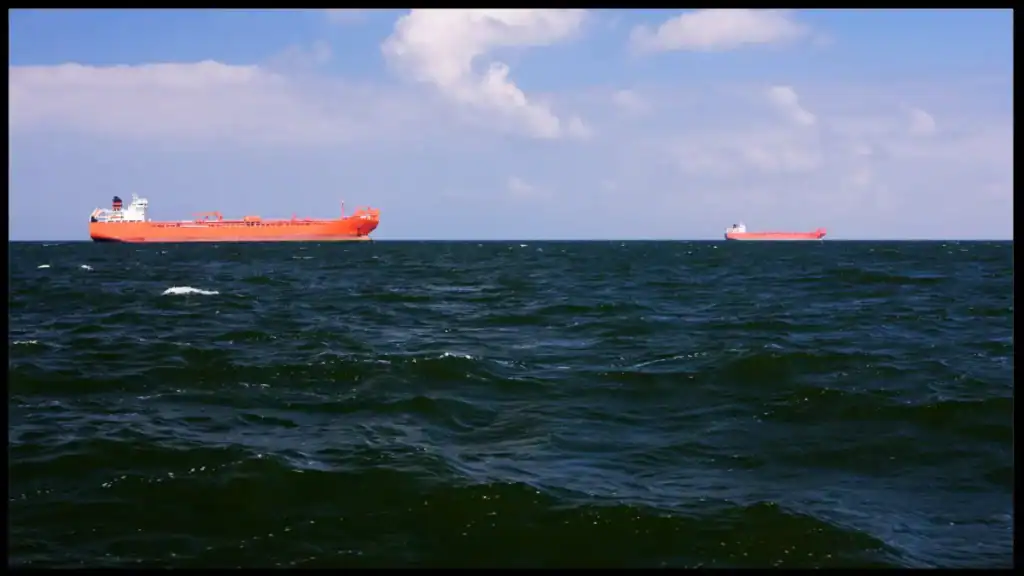
Ports, policies, and security are reshaping the weekend's economics at sea: new US fees on China-linked vessels raise per-call costs, Qatar’s navigation halt exposes schedule and insurance risk, and Red Sea developments could quickly change routing math. On the cost side, Maersk’s large retrofit push leans into fuel efficiency while a rise in oil afloat supports tanker utilization. Offshore is heating up with a court opening the door to more drilling and BP locking in high-spec rig time. Terminal capacity and reliability get a lift with ICTSI’s Subic plan and Colonna’s added drydock, while towage consolidation on the Lower Mississippi and a gas-systems acquisition signal pricing and service shifts in port and LNG/LPG lifecycles.
Top Developments Impacting Maritime P&L — 10/6/2025
Story
Impact
Business Mechanics
Bottom-Line Effect
US payment rules for China-linked vessel fees
Per-call charges and liability checks apply to certain China-linked or China-built vessels calling US ports.
Documentation workload rises, carriers consider surcharges, fleet and rotation planning adjusted to limit exposure.
📉 Voyage cost up on US legs, 📈 pressure to recover via surcharges, potential route and hull reassignment.
Qatar orders navigation halt on GPS fault
Movements paused in Qatari waters disrupt liftings and port calls in a key Gulf hub.
Delay risk and demurrage exposure rise, vessels build buffers, insurance and notices reviewed.
📉 Schedule reliability weakens, 📉 extra steaming and standby time lift opex until normal operations resume.
Red Sea outlook tied to truce signals
If attacks ease, risk premiums and Cape detours can unwind, if not, higher cost routing remains.
Owners and insurers reassess rates and security posture, Suez versus Cape decisions stay dynamic.
📈 Possible fuel and time savings if risk recedes, ↔ continued cost drag if risk persists.
Maersk retrofit program across ~200 chartered ships
Efficiency upgrades raise fuel performance and compliance headroom on many lanes.
Energy saving devices, propeller and bulb optimizations, software tuning reduce consumption per slot.
📈 Structural opex relief for upgraded hulls, ↔ short off-hire during installations.
Oil at sea at a multi-year high
Higher crude volumes on the water support tanker utilization and storage plays.
Contango and trading strategies extend voyage days, port and bunker patterns shift by region.
📈 Supportive for crude tanker earnings, ↔ mixed effects on port congestion and turnaround.
Leasing pathways reopen in some areas subject to further legal steps.
E&P budgeting advances, rig tenders and marine services procurement gain momentum.
📈 Dayrates and utilization trend up for drillers and OSVs, 📈 yard and logistics activity improves.
BP extends two Noble drillships
High-spec rig time locked in, availability tightens in the Gulf.
Firm backlog underpins pricing, knock-on demand for support tonnage and services.
📈 Cash flow visibility for the contractor, 📈 spillover work for marine services and logistics.
ICTSI Subic concession extension and upgrades
Capacity and reliability lift in the North Luzon corridor with new equipment and yard improvements.
Crane and yard upgrades reduce dwell, service options and tariffs may evolve with the investment plan.
📈 Better schedule integrity and optionality for carriers, ↔ competitive pressure on nearby hubs.
Shadow-fleet scrapping uptick in India
Opaque capacity retires at the margin, compliance scrutiny remains high.
Reduced gray tonnage can tighten effective supply, scrap pricing and payment channels closely watched.
📈 Potential rate support for compliant fleets, 📉 added diligence costs in S&P transactions.
Colonna’s Shipyard adds a fourth drydock
Repair capacity expands on the US East Coast, easing bottlenecks for commercial work.
More slots and planning flexibility reduce yard wait risk, competitive dynamics affect pricing.
📈 Off-hire risk reduced for Atlantic and Gulf traders, ↔ improved scheduling options for operators.
Notes: Summaries reflect reported developments and standard market mechanics. Effects vary by trade, contract cover, and fleet mix.
📈 Winners
📉 Losers
Tanker owners with compliant fleets: shadow-fleet scrapping and tighter screening lift utilization and support earnings.
Drilling contractors and OSV operators: court ruling and BP extensions add backlog, support dayrates, and drive service demand.
Retrofit vendors, coatings, and data-optimization firms: Maersk’s multi-hull upgrades create multi-year order flow.
Modern LNG/LPG tonnage with efficient engines: reliability focus in the Gulf and scheduling buffers favor lower consumption ships.
Well-capitalized yards on US East and Gulf coasts: new drydock capacity improves slot availability and pulls related work.
Ports and terminals with added capacity in North Luzon: ICTSI Subic upgrades improve reliability and attract carrier calls.
Fuel-efficient container and bulk ships: network replans and speed management reward lower fuel burn profiles.
Insurers and banks with strong KYC posture: demand rises for clean cover and financing as compliance scrutiny increases.
OEMs bundling gas-carrier systems and spares: integrated compressor and pump packages reduce lead times and boost service revenue.
Crude traders with contango exposure: higher barrels on the water enable storage plays and longer voyages.
Operators with China-linked or China-built tonnage on US legs: new fee liabilities raise per-call costs and admin workload.
Vessels scheduled for Qatar calls during the halt: delay risk, demurrage exposure, and insurance friction until normal ops return.
Owners transiting Red Sea without robust cover: uncertain truce outcomes keep war-risk premiums and routing buffers elevated.
Older, fuel-hungry ships: widening cost gap versus upgraded peers as efficiency programs scale.
Shadow-fleet operators and opaque structures: higher detention risk, reduced access to finance and terminals, and fewer charters.
Project-deferring E&Ps: tighter rig supply and firm pricing raise execution costs for late movers.
Ports with congestion and slow turn times: network replans steer volumes toward more reliable gateways.
Cash buyers relying on non-standard payment channels: scrutiny on beaching and sanctions compliance increases settlement risk.
Owners facing yard bottlenecks outside Norfolk: competitive pressure from added drydock capacity may shift repair spend.
Carriers unable to pass through US fee costs: margin compression on affected rotations if surcharges do not stick.
US Fee Exposure — Operator Lens
Profile
Exposure Signals
Mitigation Moves
Near-term Bias
Mixed fleet on US services
China-linked builds or ownership on rotation; frequent US calls
Hull reassignment on US strings; surcharge design; documentation playbooks
Cost up unless recovery sticks
Exempt or low-link fleet
Transparent ownership and build mix; minimal flagged exposure
Pitch reliability; capture displaced cargo or charters
Share gain potential
Niche US call pattern
Infrequent calls but complex charter chains
Upstream KYC on counterparties; align liabilities in contracts
Admin load rises
Red Sea Routing Dial
Status quo: Cape detours commonWar-risk premia elevatedConvoy and security protocols activePartial easing: selective Suez returnsRe-escalation: detours widen
Marker indicates current bias toward continued detours with cautious reassessments.
Retrofit Impact Matrix
Measure
Operational Effect
Commercial Angle
Hydrodynamic upgrades
Lower resistance at service speeds
Improves slot cost and CII scores
Energy-saving devices
Propulsive efficiency gains
Supports greener tenders and charters
Voyage optimization
Weather and speed profiles refined
Stabilizes opex on volatile bunker days
Oil Afloat Pulse
Trend
Higher barrels on water
Cycle Signal
Storage plays active
Utilization Bias
Supportive for crude tankers
Offshore Momentum Tracker
Trigger
Market Response
Knock-ons
Court narrows prior drilling restrictions
Leasing pathways re-open for planning
Rig tenders, OSV demand, yard work
BP drillship extensions
High-spec availability tightens
Support tonnage, logistics, catering
Capacity Relief Notes
ICTSI Subic
Upgrades and extended concession push reliability and optionality for carriers in North Luzon corridors.
Colonna’s Shipyard
New drydock increases repair slots on the US East Coast, easing off-hire risk and planning bottlenecks.
Compliance & Scrapping Watch
Screening: KYC depth and AIS/history analysis intensify for trades touching sanctions-sensitive flows.
Scrap bias: Reports of sanctioned units heading to South Asia reduce opaque capacity at the margin.
Counterparty: Cover and finance preference tilts toward transparent ownership and serviceable documentation.
Operations Board — Gulf Update
Port notices: activeSchedule buffers: recommendedLiftings: monitor updatesDemurrage risk: elevated
These elements zero in on how fees, navigation notices, risk patterns, efficiency upgrades, and offshore activity are translating into cost, routing, and utilization shifts. If the fee regime hardens and Red Sea risk stays elevated, the cost floor on several lanes will remain higher. Any easing on the security side, paired with incremental efficiency from retrofits and added yard and terminal capacity, would pull in the opposite direction.