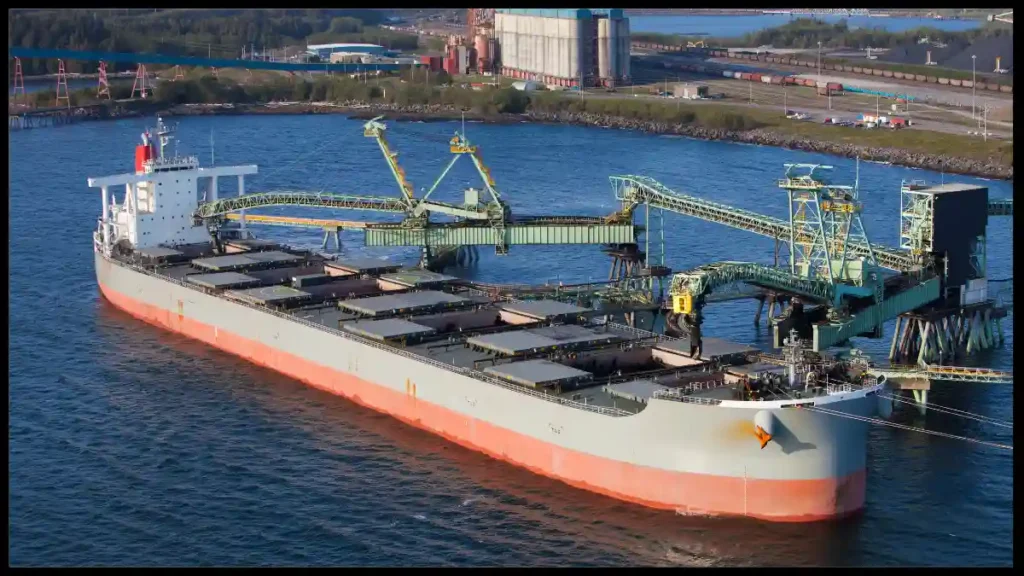
Multiple forecasters now point to a rare consecutive drop in seaborne coal volumes in 2025 and 2026. Power demand normalization, higher hydro and gas availability in some regions, policy constraints in OECD markets, and mine or export bottlenecks in others are trimming tonnage requirements. For shipowners, the near-term effect is lower employment for Panamax and Kamsarmax on coal-heavy routes, with partial offsets from bauxite, grain, and iron ore if those flows stay firm.
Coal Trade 2025–2026: P&L Impact
Item
What Happened & Who’s Affected
Business Mechanics
Bottom-Line Effect
Demand softening
Power sector coal burn eases in several import regions as hydro recovers, gas supply improves, and efficiency gains bite. Owners, charterers, miners, and terminals are exposed.
Fewer stems on key lanes such as Indo–India, Australia–East Asia, US–Europe.
📉 Lower utilization for Panamax/Kamsarmax on coal-heavy routes; rate pressure without balancing cargoes.
Policy and price signals
Tighter emissions policies in OECD markets and carbon pricing reduce import appetite at the margin, with episodic relief during cold snaps.
Seasonal spikes remain possible but average call on imports trends lower.
📉 Tariff power weakens on annual averages; 📈 short bursts possible in extreme weather.
Export supply shifts
Producers in Indonesia, Australia, South Africa, and the US adjust output; logistics or weather can still create short-term tightness.
More variable load programs, fewer multi-voyage strings for owners.
📉 Fixture visibility declines; 📈 volatility premium on spot when disruptions hit.
Tonne-miles compress
Shorter average hauls and fewer long-distance diversions cut sailing days per cargo.
Effective capacity rises if speed discipline is not maintained.
📉 Downward pressure on spot rates without compensating slow steaming.
Vessel class mix
Kamsarmax and Panamax feel the brunt; Supramax/Ultramax can pivot to grains and minor bulks more easily.
Re-allocation to bauxite, grains, steel products, and logs where feasible.
📈 Relative resilience for versatile midsizes; 📉 greater idle risk in coal-tilted fleets.
Port and terminal cadence
Lower coal volumes ease berth queues but can reduce throughput revenue at dedicated terminals.
Maintenance windows lengthen, some shift to multi-commodity handling.
📉 Terminal income at coal-reliant hubs; 📈 faster turns for ships if equipment redeploys smoothly.
Bunker and speed strategy
Weaker employment pushes owners toward slow steaming to balance supply.
Speed reductions absorb capacity and trim fuel bills.
📈 Margin protection via fuel savings; 📉 revenue ceiling if rates stay soft.
Financing and asset values
Pressure on time-charter cover and resale values rises for coal-tilted tonnage.
Banks and lessors tighten terms; sale and purchase activity skews younger, flexible ships.
📉 Asset values on older units; 📈 discount opportunities for buyers with patient capital.
Offsets from other bulks
Bauxite, agribulks, and iron ore could cushion the hit if Chinese industrial demand and harvests remain supportive.
Route triangulation and seasonal swaps matter more for utilization.
↔ Outcome hinges on cross-commodity strength; diversified fleets fare better.
Note: Summary reflects current multi-source forecasts indicating two consecutive annual declines in seaborne coal volumes and typical knock-ons for dry bulk deployment and earnings. Actual impacts vary by fleet mix, contract cover, and regional weather patterns.
📈 Winners
📉 Losers
Versatile midsize bulkers: Supramax and Ultramax pivot to grains, bauxite, steel products, and logs more easily.
Efficient discharge ports: Lower coal congestion opens capacity for other dry bulk and improves turn times.
Charterers with term cover: COAs and time charters secure capacity at predictable pricing amid softer spot demand.
Owners with fuel-efficient tonnage: Modern eco ships protect TCEs when voyage frequency drops.
Cargo interests in competing bulks: Additional vessel supply tightens spreads and improves fixture flexibility.
Buyers with patient capital: Pressure on coal-tilted assets can create discounted S&P opportunities.
Panamax and Kamsarmax coal fleets: Fewer stems on Indo–India, Australia–East Asia, and Atlantic routes reduce utilisation.
Coal-reliant terminals: Throughput and storage revenues fall as dedicated capacity sits underused.
Older, fuel-hungry units: Soft employment magnifies bunker and maintenance burden on marginal ships.
Highly levered owners: Lower earnings widen debt service gaps and tighten refinancing options.
Spot-dependent miners and traders: Weaker freight demand blunts arbitrage and increases demurrage sensitivity.
Service providers tied to coal: Survey, agency, and tug revenues dip where cargo programs shrink.
Coal’s back-to-back downswing mostly shows up in Panamax and Kamsarmax employment, with fewer Indo–India and Australia–Asia stems to absorb days at sea. Tonne-miles compress and spot support weakens unless owners cut speed or find offsets in grains, bauxite, or seasonal ore. Terminals geared to coal see softer throughput and storage revenue, while versatile midsize fleets and efficient ports redeploy faster. Financing gaps widen for older, fuel-hungry units; modern eco ships and COA cover cushion the hit. The near-term read: thinner fixture visibility, more triangulation, and a premium on cost control and flexibility.