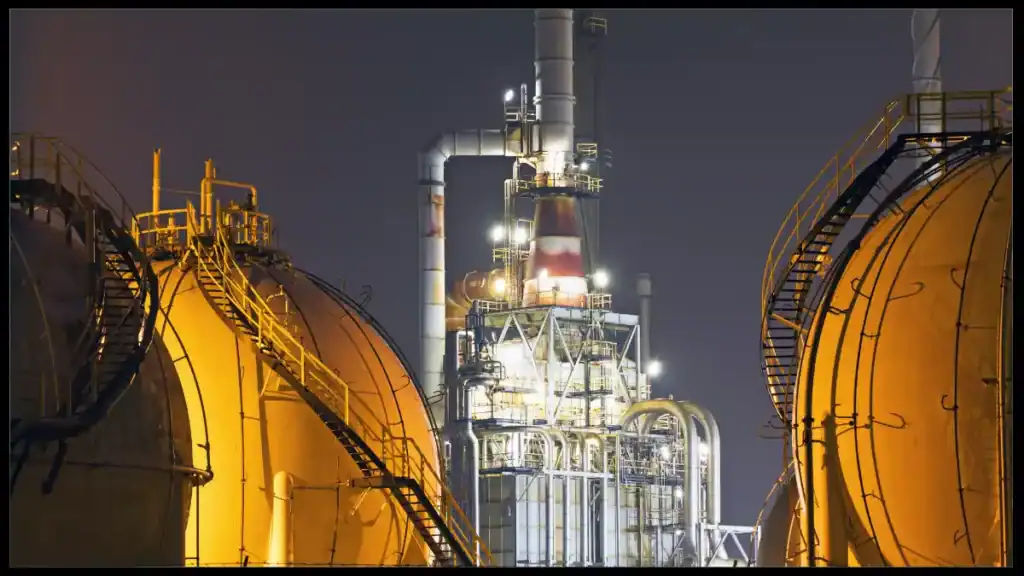
Canada just approved the Ksi Lisims LNG project, an Indigenous-led, floating LNG export facility on Nisga’a Nation lands in northwest British Columbia, with a planned capacity of ~12 million tonnes per year and a target start date in 2028–2029. The venture is backed by Western LNG (financed by Blackstone), Rockies LNG Partners, and the Nisga’a Nation, and is designed to run on BC hydropower, positioning it among the lowest-emission LNG projects globally. Early commercial traction includes a 20-year offtake for 2 mtpa signed by TotalEnergies (subject to FID). For shipping and port stakeholders, this is a material new Pacific-basin supply source that tilts flows toward Asia on shorter routes than Gulf-to-Asia, with implications for LNGC demand, charter cover, and regional marine services.
Ksi Lisims LNG — Industry Bottom-line Impact
Item
What Happened & Who’s Affected
Business Mechanics
Bottom-Line Effect
Regulatory approval
Federal and B.C. authorities cleared the Indigenous-led, floating LNG project on Nisga’a Nation lands near Gingolx. Developers: Western LNG (Blackstone-financed), Rockies LNG Partners, Nisga’a Nation.
Removes a key gating risk; enables contracting, EPC packaging, and financing steps toward FID.
📈 Increases project bankability; starts clock on supplier/yard tenders, port services planning, and LNGC coverage discussions.
Scale & timeline
Nameplate ~12 mtpa; first cargo targeted as early as late 2028–2029.
Adds meaningful Pacific-side supply; delivery window lines up with expected Asian utility demand renewal cycles.
📈 Supports multi-year demand for LNG carriers and associated marine services as commissioning approaches.
Power & emissions
Facility designed for full electrification using BC hydro; positioned as low-intensity LNG with a net-zero plan.
Lower scope-1 emissions improve offtake attractiveness and ESG finance options; potential to command premium vs. higher-intensity cargoes.
📈 Positive for marketing and financing; 📉 residual exposure to grid availability and offset/CCS costs.
Commercial traction
TotalEnergies agreed to buy 2 mtpa for 20 years (contingent on FID) and took a minority stake in Western LNG.
Anchor offtake reduces revenue risk and supports debt capacity; improves EPC bid quality and pricing.
FID still pending; upstream gas deliverability and interconnections must align; electrification relies on BC Hydro capacity.
Schedule sensitive to financing, EPC execution, grid readiness, and permitting of supporting works.
↔ Execution risk could shift timelines and cash flow ramp; mitigated as milestones close.
Note: Summary compiled from publicly available information from government/regulatory filings, company press releases, and reputable industry outlets.
📈 Winners
📉 Losers
LNG carrier owners: Pacific exposure and efficient MEGI or X-DF vessels favored for commissioning and early charters.
Marine services in B.C.: tugs, pilots, bunkering, and maintenance see multi-year demand around FLNG operations.
EPC and fabricators: floating liquefaction, modules, and electrification workstreams move toward contracting.
Asian offtakers: lower-intensity LNG supply improves diversification and portfolio emissions metrics.
ESG-focused financiers: long-dated offtake and hydro power alignment support bankability and funding options.
High-emission projects: tougher competition for buyers and capital against electrified, lower-intensity cargoes.
Gulf-to-Asia routes: slight tonne-mile headwind once Pacific volumes ramp and shorten voyages.
Panama-reliant schedules: relative disadvantage during constrained booking periods versus Pacific liftings.
Older LNG tonnage: higher-consumption ships face pressure competing with newer, fuel-efficient vessels.
Basis: government decisions, developer communications, and widely cited trade reporting; snapshot as of September 16, 2025.
Ksi Lisims LNG — Milestone Tracker and Watchpoints
Milestone
What to confirm
Status
Regulatory approvals
Federal and B.C. decisions, Indigenous-led governance framework
Achieved
FID
Financing package, EPC terms, cost book
Pending
Offtake portfolio
Long-term SPAs, credit, volume split
Building
Grid and power
BC Hydro interconnects, electrification readiness
In progress
Fabrication and logistics
FLNG modules, yard slots, heavy-lift schedules
In progress
Marine readiness
Tugs, pilots, bunkering, LNGC time charters
In progress
Commissioning
Start-up plan, reliability runs, cargo readiness
Pending
First cargo window
Target start 2028 to 2029, alignment with SPAs
Planned
Three watchpoints
FID clarity: signals on financing, EPC terms, and cost inflation control
Power delivery: timing for interconnects and electrification scope
Charter cover: LNGC availability, tenor, and delivery alignment with first cargo
Ksi Lisims LNG marks a notable shift in Pacific-basin gas logistics: a large, lower-intensity supply source positioned close to Asian demand and outside Panama Canal constraints. With approvals in hand and early offtake interest secured, the project moves from concept toward bankable execution, bringing forward orders, charters, and regional marine services activity as milestones accrue. Electrification via hydropower is central to its commercial narrative, aligning with buyer preferences for lower upstream emissions and broadening financing options. Shipping impacts skew toward additional LNGC utilization and tighter scheduling around northwest B.C., while long-haul Gulf-to-Asia routes face a marginal competitive drag once volumes flow. Overall, the development adds depth and diversity to North American LNG exports and sets a clearer line of sight to new Pacific-side liftings later in the decade.