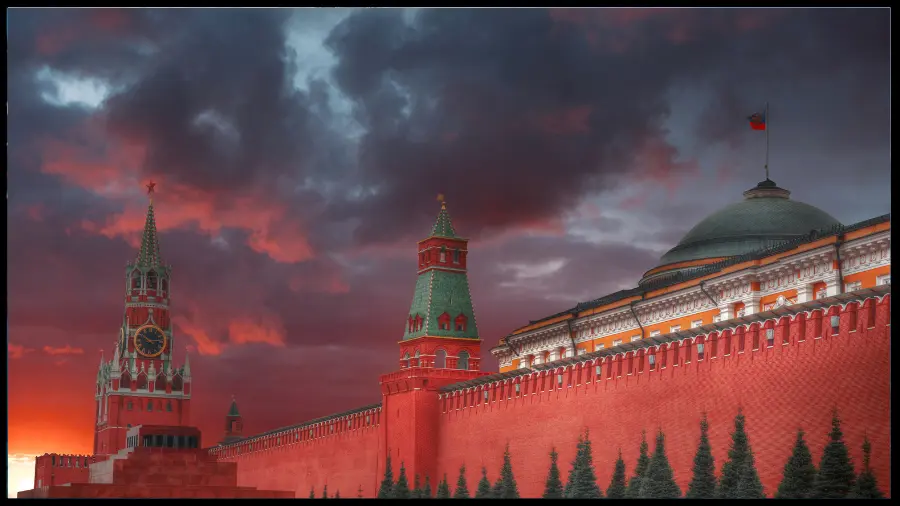
Recent statements from Moscow have pushed Black Sea risk up a notch. The Kremlin has condemned a surge of attacks on Russian commercial vessels as “piracy” and warned it may consider retaliatory measures against ships from countries that support Ukraine if strikes on Russia’s tanker fleet continue. At least nine Russian commercial ships, most of them tankers, have been hit over the past year, with several incidents in the last week alone, and market reports already point to higher war-risk premiums and sharper scrutiny of any vessel trading Russian cargoes or calling regional ports.
Click here for 30 second Black Sea summary
Black Sea risk in one quick read
A run of drone and missile attacks on Russian-linked tankers has been followed by Kremlin warnings that ships from countries supporting Ukraine could be targeted if strikes continue. That shifts the Black Sea risk picture from a narrow “shadow fleet” issue to a broader concern for mainstream energy and grain tonnage, and it is already feeding into war-risk pricing, routing decisions and contract wording.
Risk signal – Political and security temperature in the Black Sea is now described as very elevated, with Russian officials openly discussing the option of hitting allied shipping if tanker attacks persist.
Cost impact – War-risk premiums for Black Sea calls are moving higher, underwriters are tightening terms, and more deviation and waiting time is being built into voyages to avoid exposed anchorages and routes.
Owner and charterer playbook – Fleets closely tied to Russian trades face the sharpest pressure on cover, finance and port reception, while modern, well documented ships with flexible deployment and tighter war-risk clauses are better placed to keep trading and capture dislocated earnings.
Bottom line
Black Sea exposure now needs to be treated as a core commercial variable on every fixture touching the region. Keeping live maps of routing options, tightening contract language on war risk and deviation, and maintaining clear compliance records are becoming just as important as rate and laytime in protecting cash flow.
Black Sea security turn and Kremlin threat to allied shipping
Item
Summary
Business mechanics
Bottom-line effect
Kremlin statement and threat
Moscow has reacted to a run of attacks on Russian linked tankers and other commercial ships by describing them as piracy and warning that vessels from countries assisting Ukraine could face retaliatory measures if such strikes continue.
The signal widens perceived risk from Russian cargoes and ports to potentially any ship tied to states that provide support to Ukraine. Flag, ownership, charter party links and cargo interests all become part of war risk assessments around the Black Sea.
📉 Raises headline political and security risk for voyages into the region, which feeds directly into war cover pricing and owner willingness to trade. 📈 Sends a clear signal that counterparties will scrutinise links to Ukraine’s allies and may reward less exposed tonnage.
Pattern of recent attacks
Russian officials report at least nine attacks on commercial vessels over the past year, most of them tankers, with several incidents clustered in the last week, including strikes in the wider region that have already led one owner to exit Russian trades.
A higher incident count, especially when bunched in time, pushes insurers to reprice risk and tighten underwriting conditions. P&I clubs and war underwriters become more cautious on hulls, trades and operators seen as close to the line.
📉 Extra days at anchor and diversions built into routing to avoid perceived hot spots raise voyage costs for owners and charterers. 📈 Sends a clear signal that better documented, fully compliant fleets are more likely to retain cover on acceptable terms.
War-risk insurance and finance
The combination of threats and incidents is already lifting quoted war risk premiums for Black Sea calls and prompting tighter conditions on cover for ships moving Russian crude, products and some dry cargoes.
Banks and lessors rely on continuous, valid insurance. If underwriters exclude certain trades or sharply increase rates, financing terms for exposed vessels can be revisited, and some lenders may ask for route restrictions or additional equity support.
📉 Higher war cover and security costs erode earnings on fixtures that touch the region and can reduce available leverage for heavily exposed fleets. 📈 Sends a clear signal that diversifying employment away from high risk routes can support credit quality and funding access.
Routing, energy and grain flows
Any sustained escalation that targets allied shipping would hit energy and grain trades that depend on Black Sea routes, forcing more diversions around contested waters and potentially increasing reliance on alternative ports and export corridors.
Owners and charterers weigh longer, safer routes against higher fuel burn and tighter arrival windows. Traders assess whether to switch loading points and contracts to alternative origins if physical risk and insurance friction become too high.
📉 Longer hauls and waiting times can raise unit costs and reduce fleet productivity, especially for older ships with weaker fuel performance. 📈 Sends a clear signal that flexible, modern tonnage able to pivot between basins can capture premium earnings when trade patterns are redrawn.
Contract terms and counterparties
Threat escalation is likely to pull war risk, deviation and sanctions clauses further into focus in charters, COAs and sale and purchase contracts, especially for vessels that trade near Russian or Ukrainian ports.
Charterers may insist on clearer war risk wording, premium sharing rules and routing discretion, while owners seek stronger protections on deviation, off hire and termination rights if security deteriorates along planned routes.
📉 Poorly drafted clauses or weak documentation increase the chance of disputes and unrecoverable cost when voyages are disrupted. 📈 Sends a clear signal that well structured contracts and clean compliance files can preserve cash flow when conditions change mid fixture.
Notes: Summary based on public reporting of Kremlin comments on possible retaliation against ships of Ukraine’s supporters and recent attacks on Russian linked commercial vessels in and around the Black Sea. Actual risk varies by flag, ownership, cargo, counterparty and route; operators should rely on up to date security, legal and insurance guidance for specific voyages.
Black Sea risk pulse for owners and charterers
Directional view after recent tanker strikes and Kremlin comments about possible action against ships of Ukraine’s supporters.
Political and security temperature
Very elevated
Kremlin talk of hitting allied ships moves risk from isolated “shadow fleet” incidents toward a wider pool of tonnage.
War-risk and insurance strain
Rising
Additional war premiums for Black Sea calls have stepped up, with underwriters rechecking appetite for Russia-linked trades.
Routing and schedule distortion
Elevated
More owners and charterers are weighing longer, safer routes and different loading points against bunker and delay costs.
Exposure snapshot by trade and fleet slice
Segment
Readout
Shadow fleet and sanctioned tankers Highest pressure
Directly in the crosshairs of Ukrainian drones and insurer scrutiny. Cover, finance and port reception all under strain.
Mainstream crude and products serving the region
Not primary targets but share the same listed area, premium bands and routing uncertainty when threats escalate.
Grain and bulk carriers on Black Sea corridors
Exposure via shared lanes and anchorages. Any miscalculation on routing or timing can mean higher costs and off hire.
Fleets with limited regional exposure Lower direct exposure
Less immediate operational risk, but still affected by freight volatility and changing trade flows if the situation worsens.
Pressure pointsOpenings for disciplined fleets
Risk focus 📉
Opportunity focus 📈
Higher war premiums and tighter cover terms can erase margin on marginal Black Sea fixtures.
Misaligned charter wording on war risk, deviation and off hire can leave owners carrying unrecoverable cost.
Modern, well documented fleets with clear compliance records are better placed to secure insurance and premium rates.
Owners able to pivot tonnage quickly between regions can chase dislocated earnings without locking into prolonged exposure.
Financiers may tighten limits or conditions for vessels that rely heavily on Russia-linked employment.
Transparent reporting on routing, AIS discipline and counterparties can support both underwriting and bank credit committees.
Directional view only. Actual exposure and opportunity depend on ship type, counterparties, routing choices and contract structure.
The latest turn in the Black Sea raises the cost and complexity of trading the region, but the impact is not uniform. Shadow fleet operators and vessels deeply tied to Russian flows face the sharpest pressure on insurance, finance and port reception, while compliant fleets with flexible deployment have more room to adapt and, in some cases, benefit from dislocated earnings. For most owners and charterers, the practical response now is to treat war risk as a core commercial variable rather than a side issue, tighten contract language, and keep live routing and exposure maps on the desk as Kremlin statements and incident reports continue to evolve.