Black Sea Approvals Tighten Again as CPC Loading Redundancy Shrinks
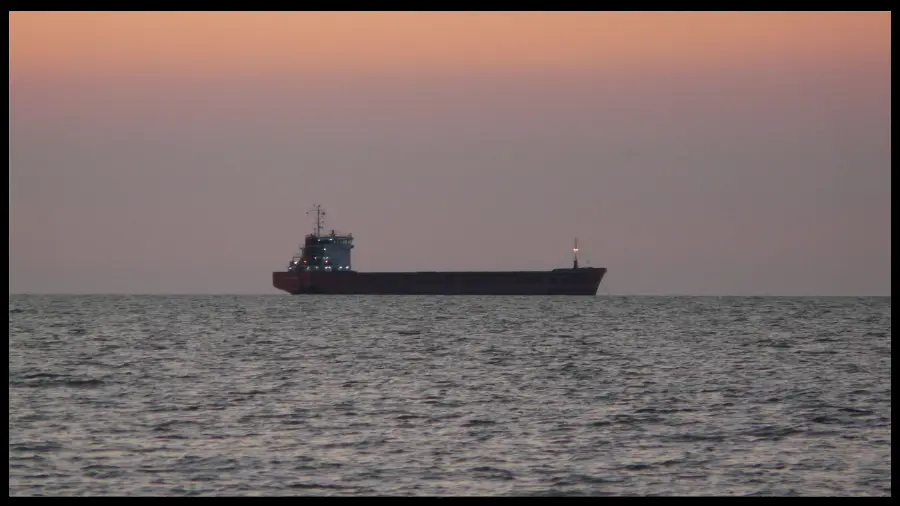
Black Sea shipping has taken another step-change in operational sensitivity after the drone-attack cluster around the CPC export corridor, with the export system now described as effectively operating through a single active offshore loading point heading into the February programme. In parallel, recent strike reporting around Ukraine-linked approaches has kept attention on non-tanker exposure in the same basin, while war-risk terms and review cycles have been described as moving faster than they did in late December.
Subscribe to the Ship Universe Weekly Newsletter
Click here for 30 second summary
Black Sea developments in one read
A cluster of drone-linked incidents has been reported across Black Sea merchant lanes, including tankers connected to CPC export loadings and foreign-flagged vessels near Ukraine’s port approaches. At the same time, CPC export logistics are described as constrained by reduced offshore loading redundancy, with only one single-point mooring currently operational.
-
Export infrastructure constraint
CPC exports are described as running through one active single-point mooring while other moorings remain offline for repair or delayed maintenance. -
Insurance posture change
War-risk pricing indications for Black Sea port calls were described as rising, with review cycles tightening compared with late-December practice.
The combination of reduced loading flexibility and continued incident reporting is showing up in longer approval cycles, tighter insurance quoting windows, and wider schedule buffers around Black Sea fixtures.
| Development | Update | Operational friction | Commercial read-through |
|---|---|---|---|
| CPC loading redundancy shrinks | The CPC offshore terminal system is described as down to a single active single-point mooring for the February loading programme, with exports continuing via one mooring. | Reduced redundancy increases sensitivity to weather holds, technical pauses, and security posture changes because there is less flexibility to recover the schedule. | Fewer working options can stretch time-in-system for tankers, tightening effective availability even if fleet size is unchanged. |
| Drone strikes tied to CPC-bound tankers | Two CPC-linked tankers, Delta Harmony and Matilda, were reported hit by drones while approaching the Russian coast for loading, without immediate reports of major pollution or loss of control. | Approach and anchorage routines become more conservative, with tighter onboard movement controls and more frequent security check steps around nomination and port clearance. | Corridor sensitivity rises because the trade is export-critical, and “time-to-clear” can become as important as headline freight numbers. |
| War-risk pricing resets higher | War-risk insurance indications for Black Sea port calls were described as rising to about 1% of hull value, up from roughly 0.6% to 0.8% in late December. | Quote validity shortens and underwriter questions arrive earlier, with more frequent re-checking as voyages move from planning to arrival. | All-in voyage costs become more variable and can widen the gap between low-friction and higher-friction ships and routes. |
| Faster review cadence | Insurance terms and risk posture were described as being reviewed on a faster cycle, shifting from a 48-hour rhythm to 24-hour resets around key developments. | More “pause points” appear in execution: approvals are revalidated more often between fixture, nomination, and port approach. | Laycans and turnaround expectations become harder to hold, which increases the value of schedule buffer and reliable counterparties. |
| Fleet security posture updated | Greek shipping was advised to reassess and strengthen security measures when approaching Russian Black Sea ports after the tanker attacks, referencing elevated risk around named port areas. | Company security plans tighten and bridge teams run more restrictive routines near exposed approaches and anchorage areas. | Operational conservatism can extend transit and waiting time, indirectly tightening supply through longer cycle time per voyage. |
| Ukraine-linked approach risk persists | Separate reporting described drone strikes on foreign-flagged vessels near Ukraine’s Chornomorsk and Odesa-region approaches, highlighting continued exposure for non-tanker traffic. | Arrivals and anchorages adopt more caution, with larger buffer windows and lower tolerance for anomalies in approach lanes. | Reliability risk becomes a central commercial variable for Ukraine-linked calls, affecting timing assumptions and cost contingencies. |
| Two-sided basin sensitivity | Recent updates show risk pressure on both ends of the basin, with Russian-loading lanes and Ukraine-linked approaches each seeing strike reporting. | Operators widen the working “risk map” from single ports to broader approach zones, increasing time spent in higher-attention operating posture. | When the basin is treated as persistently sensitive, the friction premium tends to persist rather than fade between incidents. |
Black Sea developments dashboard
A tighter export setup around the CPC offshore terminal is now being managed with reduced redundancy, while strike reporting around both Russian-loading lanes and Ukraine-linked approaches continues to affect voyage planning and counterparty checks.
CPC offshore loading status
The export system is described as operating with only one of three single-point moorings available, limiting flexibility when weather holds, technical pauses, or heightened security posture disrupt the sequence.
Reported incidents in the basin
Recent reporting has described drone strikes involving tankers linked to CPC loadings and separate drone strikes affecting foreign-flagged vessels near Ukraine’s Odesa region and Chornomorsk approaches.
CPC flexibility narrows
The terminal is described as running on one active offshore loading point while other moorings remain offline for repair or delayed maintenance.
Tankers hit near CPC corridor
Two tankers connected to CPC loadings were reported struck by drones while in the Black Sea, prompting heightened security posture around approaches and anchorage time.
War-risk terms adjust faster
War-risk pricing indications for Black Sea calls were described as rising, with underwriter review cycles tightening compared with late-December practice.
Ukraine-linked approach strikes
Separate reporting described drone strikes on foreign-flagged vessels near Ukraine’s port approaches, keeping non-tanker exposure in view.
War-risk premium estimate
$0
Based on insured value and the selected rate.
Time-related cost estimate
$0
Extra days multiplied by daily running cost plus daily time value.
Other costs entered
$0
Use for added security, documentation, or contingency spend.
Total friction estimate
$0
A simple roll-up to compare scenarios and approvals timing.
We welcome your feedback, suggestions, corrections, and ideas for enhancements. Please click here to get in touch.