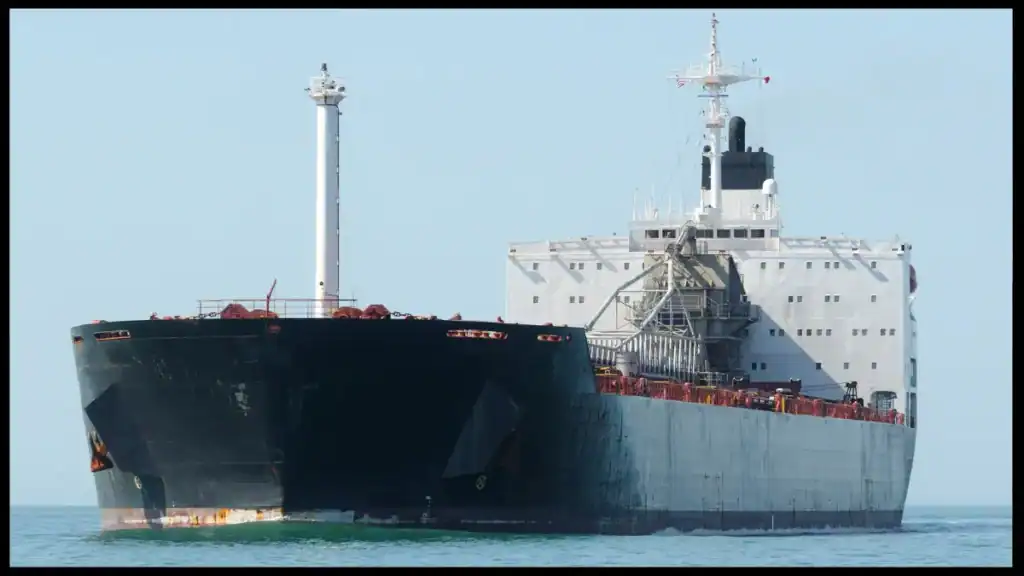
A concentrated run of Ukrainian drone strikes has hit Russia’s Baltic oil system, most notably at Primorsk, prompting Transneft to warn producers about storage and intake constraints and forcing temporary slowdowns in loadings. With Primorsk and nearby Ust-Luga handling a large slice of Russia’s western exports, even brief outages ripple into higher war-risk premiums, disrupted nominations, and spikier spot markets for crude and products. Multiple outlets report damage to port assets and moored tankers, with officials acknowledging the strain and the possibility of output curbs if hits continue.
Russian Export Disruption — P&L Industry Impact
Item
What Happened & Who’s Affected
Business Mechanics
Bottom-Line Effect
Baltic hub strikes
Drone attacks hit Primorsk and strain nearby Ust-Luga; reports of damage to port infrastructure and moored aframaxes. Loadings saw temporary disruption before partial resumptions.
Delays and rescheduling of cargo programs; nomination uncertainty for traders and charterers.
📈 Spot rate and demurrage upside on short notice; 📉 reliability of Baltic-linked fixtures.
Transneft warning
Pipeline monopoly warns producers of possible storage constraints and reduced intake if attacks persist; policymakers weigh output cuts.
Shifts export timing and flow mix; raises odds of last-minute vessel swaps and diversions.
📈 Higher volatility in TCEs; 📉 operational friction and idle time for implicated tonnage.
Export volumes swing
Western seaborne exports were revised up earlier in September as refinery runs fell, but strikes add stop-start risk at Primorsk/Ust-Luga.
Tonne-mile patterns can whipsaw as routes and laycans reshuffle; traders chase alternative windows.
📈 Trading and freight optionality gains value; 📉 planning certainty erodes for liftings tied to Baltic hubs.
Insurance & risk pricing
War-risk and P&I underwriters tighten screening and price higher where exposure is evident; security protocols lengthen call durations. (Context from prior conflict-driven premium spikes.)
Higher opex per voyage; more questionnaires/attestations; potential cover limits for certain fixtures.
📈 Premium owners and “clean” fleets command better terms; 📉 margin squeeze for higher-risk operators.
Market breadth
Crude and product tankers across the Atlantic basin feel knock-ons via rates, ballast patterns, and available safe alternatives.
Short-haul spikes and reroutes increase effective voyage days; charterers pay up for certainty.
📈 Utilization and earnings support for spot-exposed owners; 📉 charterers’ transport costs rise.
Data points to watch
Primorsk/Ust-Luga loading cadence, port status notices, and any official curtailment guidance.
Faster updates drive price discovery; spreads and freight adjust minute-to-minute.
📈 Trading desks and owners with agility monetize dislocations; 📉 slower operators lag on fixture quality.
Note: Summary based on government/industry statements and multi-outlet reporting.
📈 Winners
📉 Losers
Spot tanker owners: rate spikes and demurrage upside on Baltic-linked trades.
Ice-class fleets: premium earnings where weather windows and risk filters apply.
Alternative load ports: incremental nominations and higher throughput as cargoes reroute.
STS providers: more ship-to-ship operations when terminals face constraints.
“Clean” counterparties: transparent ownership and insurance histories favored for sensitive liftings.
War-risk underwriters: premium intake rises with elevated exposure and screening.
Baltic-exposed charterers: nomination uncertainty, delay costs, and higher all-in freight.
Terminals near strikes: disrupted cadence, inspection holds, and revenue interruptions.
Opaque fleets: higher rejection rates from banks, insurers, and ports.
Refinery exporters: load timing risk and potential curtailments if pipeline intake tightens.
Claims-heavy insurers: greater loss severity if incidents coincide with congestion.
Time-charter coverage buyers: tighter availability and firmer pricing for suitable tonnage.
Note: Context reflects widely reported Baltic disruptions and official statements.
The Baltic disruptions are a high-amplitude, short-fuse earnings driver. Even modest interruptions at Primorsk and Ust-Luga lift war-risk premiums, push up spot rates, and increase demurrage exposure across crude and product trades. The breadth of impact extends well beyond the Baltic as charterers reshuffle laycans, ballast patterns change, and alternative load ports see incremental nominations. Duration is the swing factor: brief outages create rate spikes that fade as cadence normalizes, while repeated strikes and any formal curtailment guidance would keep volatility elevated and support TCEs for spot-exposed owners. Key signals are the weekly loading rhythm at the hubs, insurer pricing for exposed calls, and evidence of sustained rerouting that adds voyage days and ton-miles.