Asia’s LNG Shock Turns March Into the Sharpest Import Pullback Since 2022
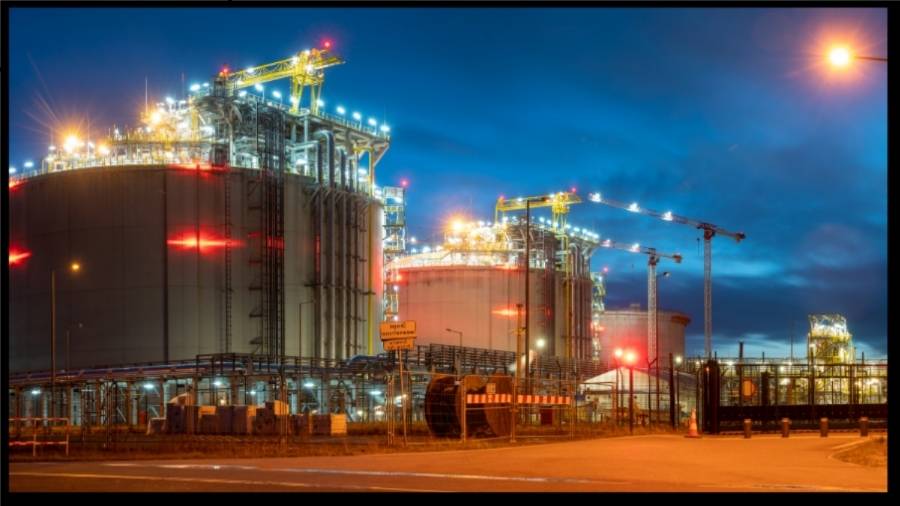
Asian LNG imports fell sharply in March as the Iran war disrupted Middle East supply, pushed prices higher, and forced buyers across the region into a more defensive posture. Ship-tracking data showed LNG deliveries into Asia fell 8.6% year over year to about 20.6 million metric tons, the biggest monthly drop since December 2022. The pressure came from multiple directions at once: conflict-related disruption around the Strait of Hormuz, damage to Qatari export infrastructure, a steep jump in Asian spot LNG prices, and the inability of alternative suppliers to fully replace missing Gulf volumes. March also exposed a split inside Asia itself. Price-sensitive importers in South and Southeast Asia were squeezed hardest, while China cut imports, relied more on domestic output, pipeline gas and inventories, and even resold cargoes into the regional market. Separate reporting this week showed China’s March LNG imports fell to 3.68 million tons, their lowest monthly level since April 2018, while Chinese firms reloaded a record 8 to 10 cargoes in March for resale to neighbors including South Korea, Thailand, Japan, India and the Philippines.
Subscribe to the Ship Universe Weekly Newsletter
Click here for 30 second summary of the full piece ▶
March turned into a hard reset for Asia LNG buying
Asia imported materially less LNG in March as the Iran war disrupted supply through the Gulf system, tightened availability, and pushed prices high enough to force some buyers out of the market. The drop was not spread evenly. South and Southeast Asian importers were hit hardest, while China cut purchases, leaned on other gas sources, and resold cargoes into the region.
- Import shift: March arrivals into Asia fell sharply from a year earlier.
- Main pressure points: supply disruption, price shock, and weaker ability to replace lost Gulf volumes.
- Regional split: some buyers curtailed demand while others stayed in the market or monetized existing supply positions.
The March pullback shows that the LNG problem is no longer only about missing cargoes. It is also about who can still afford to buy, who can substitute, and who gets pushed into rationing or fuel switching.
| Fast reader take | Latest market signal | Operational pattern | Negative shipping consequence | Shows up first | Closest stakeholders |
|---|---|---|---|---|---|
| March demand pulled back hard |
Asian LNG arrivals fell sharply year over year, marking the biggest monthly decline since late 2022.
20.6 mt
-8.6%
largest drop since Dec 2022
|
Buyers reduced or deferred purchases as cargoes became harder to source and more expensive to justify. | Fewer prompt cargoes, more competition for flexible supply, and weaker short-term route visibility. | Lower spot participation and more hesitation from price-sensitive buyers. | Importers, traders, LNG shipping desks, utilities. |
| Supply trouble reached beyond one chokepoint |
The disruption was tied not only to Hormuz risk but also to damage affecting Qatari LNG export capacity.
Qatar impact
supply outlook cut
replacement scarce
|
Lost Gulf volumes could not be fully backfilled by U.S. or other suppliers already running tight systems. | Longer sourcing chains, more portfolio optimization, and more strained freight allocation. | More cargo reshuffling and tougher tender outcomes. | Producers, portfolio players, charterers, end buyers. |
| Price became the filter |
Asian LNG prices jumped far above the level that typically keeps emerging-market demand active.
price spike
demand destruction
comfort zone breached
|
High spot prices forced some buyers to switch fuels, ration demand, or reduce industrial gas use. | Cargo demand weakened in some markets even while overall supply stayed tight. | Industrial curtailment, fuel switching, tender caution. | Utilities, manufacturers, state buyers, fuel planners. |
| China became the regional outlier |
China cut imports to the lowest monthly level since 2018 and resold record LNG volumes into the region.
3.68 mt in March
lowest since 2018
record reloads
|
Instead of competing aggressively for replacement cargoes, China relied on domestic gas, pipeline imports and inventories. | China's reduced buying softened some regional competition but highlighted how uneven Asia's resilience has become. | More reload activity and fewer Chinese spot purchases. | Chinese buyers, neighboring importers, reload terminals, traders. |
| South Asia felt the pain faster |
Price-sensitive buyers such as India, Pakistan and Bangladesh faced tighter supply and greater affordability stress.
South Asia squeeze
industrial cutbacks
fuel switching
|
Some buyers leaned harder on coal, domestic gas, rationing, or reduced industrial consumption. | Lower LNG demand does not mean lower pain. It often means curtailed demand, not healthy demand. | Power-sector strain and industrial gas consumption cuts. | Power ministries, utilities, industrial users, import terminals. |
| Freight and energy planning now move together |
Once cargo scarcity and price spikes hit at the same time, shipping decisions and energy policy decisions become tightly linked.
cargo allocation
route sensitivity
policy response
|
Governments and buyers started leaning on coal, inventories, reserve measures, and alternative supply channels. | Shipping loses some flexibility because cargo movement increasingly follows emergency energy logic rather than normal commercial patterns. | Emergency fuel policies and changes in cargo nomination behavior. | Governments, LNG carriers, portfolio managers, traders, utilities. |
Asia LNG Stress Monitor
This scorecard helps translate the current LNG story into a commercial exposure reading. It is built for shipping, trading, and utility teams watching whether the regional gas squeeze is easing, or whether it is still spreading through cargo availability, price pressure, and buyer behavior.
Signals that push the market deeper into stress
- Missing Gulf supply still constrains replacement options.
- Spot LNG prices stay elevated beyond the comfort zone for emerging buyers.
- China stays out of the spot fight and resells rather than competes for cargoes.
- Fuel switching and rationing rise in exposed Asian economies.
- Alternative suppliers stay tight because spare LNG export capacity is limited.
Regional stress scorecard
Check the conditions that match the latest buying environment. The tool estimates whether Asia LNG stress is still manageable or whether it is firmly in a broad disruption phase.
The important March signal is that lower imports did not mean easier conditions. In several markets, lower imports reflected higher prices, weaker access to cargoes, and the need to ration, substitute, or step back.
We welcome your feedback, suggestions, corrections, and ideas for enhancements. Please click here to get in touch.