African Bunkering Hubs Surge as Cape Rerouting Rewrites Fuel Stops
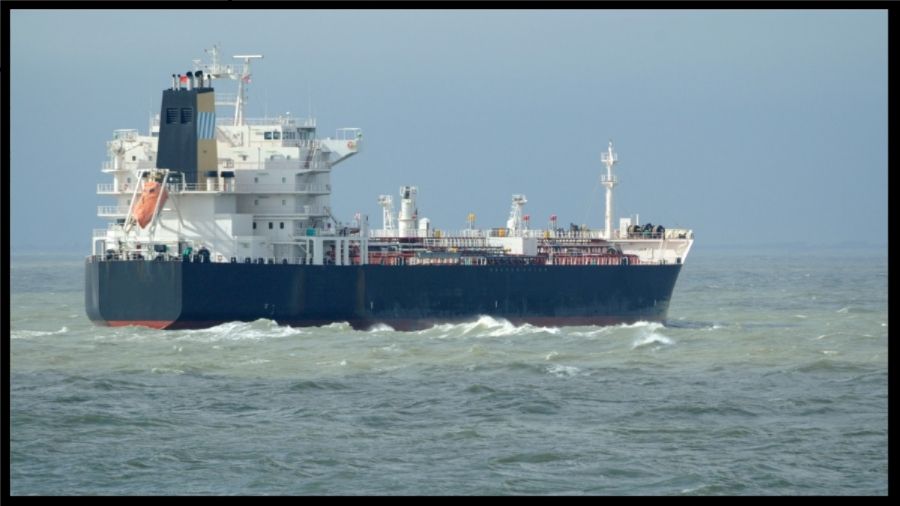
Ship-refuelling companies and ports along Africa’s coastline are seeing stronger bunker demand as more vessels route around the Cape of Good Hope instead of using the shorter Suez and Red Sea corridor. The shift has lifted activity at hubs in West Africa, Namibia, and Mauritius, with established suppliers expanding and new entrants moving in to capture fuel sales from longer-haul voyages. The latest market reporting says large liner operators including Maersk, Hapag-Lloyd, and CMA CGM have redirected ships around southern Africa, pushing more bunker demand toward African coastal stops at the same time that South Africa’s share has been held back by tax and licensing problems. The result is a rapidly changing refuelling map in which African ports are taking a larger role in long-haul east-west shipping while still dealing with supply, infrastructure, and security constraints.
Subscribe to the Ship Universe Weekly Newsletter
Click here for 30 second summary of the full piece ▶
Africa is capturing more of the world’s bunker traffic
More ships sailing around the Cape of Good Hope are pushing bunker demand toward African ports that sit along the longer east-west route. Ports in Namibia, Mauritius, and parts of West Africa are seeing stronger fuel demand and fresh investment, while South Africa’s role has been held back by tax and licensing issues even though it sits on the key route.
- Route shift: major carriers are sending more ships around southern Africa instead of through the Suez and Red Sea corridor.
- Bunker effect: African ports are selling more fuel, attracting suppliers, and moving into a bigger role in global voyage planning.
- Constraint layer: supply security, infrastructure bottlenecks, piracy risk, and South African regulatory problems are still shaping how far the boom can go.
The bunker map is moving south and west with the Cape route. African hubs are gaining from longer voyages, but the winners will be the ports and suppliers that can pair location advantage with reliable fuel availability and smooth execution.
| Hub lane | Current signal | Immediate shipowner effect | Fuel and pricing transmission | Operational constraint | Watch item |
|---|---|---|---|---|---|
| Namibia |
Walvis Bay is seeing stronger bunker demand as ships swing around the Cape and need dependable coastal refuelling.
Route-advantaged gainer
|
Operators gain a practical refuelling option on the longer southbound and northbound Cape leg, especially when they want to avoid congestion or uncertainty elsewhere. | A stronger bunker role improves local fuel sales and can increase regional bargaining power when prompt supply is tight. | Growth still depends on consistent offshore delivery capacity, product availability, and safe execution windows. | Watch whether bunker suppliers add more vessels and storage support to lock in Cape-route demand rather than treating it as a temporary spike. |
| Mauritius |
Port Louis is gaining importance as an Indian Ocean bunker stop for ships lengthening voyages around Africa.
Indian Ocean lift
|
More vessels can use Mauritius to rebalance bunker planning across longer east-west itineraries that now avoid the Red Sea. | Stronger demand can support higher local throughput and attract new suppliers and investment into port services. | The port still has to match demand with reliable logistics, storage, and barge support to avoid becoming only an opportunistic stop. | Watch whether Mauritius converts this traffic shift into permanent bunkering scale rather than a crisis-era uplift. |
| West Africa |
Parts of West Africa are drawing more bunker attention as longer-haul voyages create new fuelling patterns along Africa’s coastline.
Distributed coastal demand
|
Ships gain extra flexibility for staging fuel decisions rather than locking everything into one major stop. | More demand can draw in suppliers and traders, but local pricing can move sharply if supply chains are thin or logistics are uneven. | Infrastructure bottlenecks remain a real issue, including congestion and execution problems at some ports. | Watch whether West African hubs build enough consistency to become standard voyage-planning options rather than niche alternatives. |
| South Africa |
South Africa sits on the critical route but has not captured the full demand surge because tax and regulatory disputes have disrupted bunkering operations.
Geography strong, execution weaker
|
Operators that might naturally bunker there have had to look harder at substitute coastal options when reliability became less certain. | Lost execution smoothness means the route benefit does not automatically turn into bunker-market share. | Vessel seizures, VAT disputes, and licensing problems have reduced confidence in a market that should otherwise be a natural beneficiary. | Watch whether new tonnage and licensed operators restore trust quickly enough to win back rerouted business. |
| Supplier landscape |
Established suppliers and new entrants are expanding around Africa as longer voyages create a bigger fuel market along the Cape route.
Competitive buildout
|
Owners and charterers get more choice, but only where new competition is supported by physical fuel availability and local execution capacity. | More players can improve supply optionality, but they can also intensify competition for tight barrels during volatile periods. | Security risk, bunker feedstock access, and port handling limits still determine whether announced capacity becomes dependable capacity. | Watch where new supplier presence is matched by repeatable service, not just by headline market entry. |
This tool helps turn Cape rerouting into numbers. It estimates the added bunker spend, extra uplift demand, and execution pressure created when ships take the longer African route and rely more heavily on coastal refuelling hubs.
We welcome your feedback, suggestions, corrections, and ideas for enhancements. Please click here to get in touch.