
SHIPUNIVERSE
Maritime Intelligence, Tools & Live Industry Radars

One place for live maritime intelligence, practical decision tools, industry events and focused reporting.

15Live Radars 255Maritime Tools
24/7Intelligence Focus
GlobalIndustry Coverage
NEW RADARS

Explore our latest intelligence radars

RADARS
TOOLS
All Tools
Latest 20
Open to load latest items…
NEWS
All News
Latest 20
Open to load latest items…
REPORTS
All Reports
Latest 20
Open to load latest items…
TECH
All Tech
Latest 20
Open to load latest items…
CRUISE
All Cruise
Latest 20
Open to load latest items…
NAVAL
All Naval
Latest 20
Open to load latest items…
SHIPUNIVERSE REPORTING

Reports, news and industry coverage

Full analysis in the ShipUniverse intelligence layout.

← Back to latest posts ShipUniverse / REPORT

IMO Carbon Tax: Where We’re Headed and What It Will Cost

🔔 Subscribe to ShipUniverse Weekly →

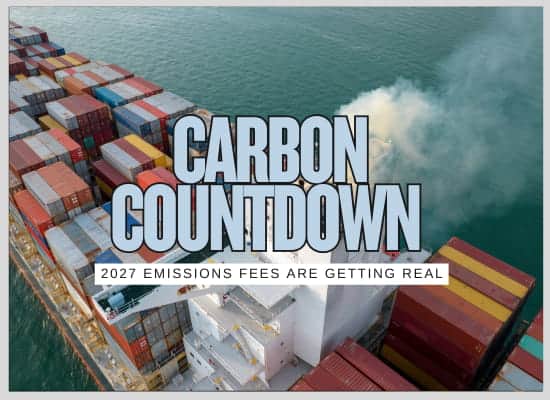
In April 2025, the International Maritime Organization (IMO) approved a draft framework introducing a global carbon pricing mechanism for shipping—a significant move towards decarbonizing the maritime industry. The proposed system includes a two-tier fee structure: a base fee of $100 per ton of CO₂ emissions and a higher fee of $380 per ton for ships exceeding stricter emission thresholds. While the framework awaits formal adoption in October 2025, its implementation is slated for 2027, with actual payments beginning in 2028. This initiative positions shipping as the first industry sector with an internationally mandated carbon pricing scheme, aiming to achieve net-zero emissions by 2050.

Quick Summary
  • Starts in 2027, part of the IMO’s net-zero strategy for 2050
  • Ships emitting above baseline levels will pay at least $100 per ton of CO₂
  • A higher tier will apply to top emitters—$380 per ton CO₂
  • Revenue will support the IMO’s Net Zero Fund for clean tech and developing nations
  • Policy framework is expected to be finalized by October 2025
ShipUniverse: Estimated Daily Carbon Fee by Vessel Type – 2027 Outlook
Vessel Type Fuel Use/Day (tons) CO₂/Day (tons) Fee @ $100/Ton Fee @ $380/Ton
Panamax Container Ship 60 189 $18,900 $71,820
Mid-Size Bulk Carrier 35 110 $11,000 $41,800
Large RoRo 45 142 $14,200 $53,960
Coastal Feeder 12 38 $3,800 $14,440
Note: CO₂ emissions are estimated using an emission factor of approximately 3.15 tons of CO₂ per ton of fuel burned. Actual emissions and fees may vary based on engine type, fuel quality, and operational conditions.

ShipUniverse: Estimate Your 2027 IMO Carbon Tax

Vessel Type:
Fuel Type:
Daily Fuel Use (tons):
Voyage Days/Year:
Carbon Price per Ton ($):
🌍 Estimated CO₂ Emissions & Carbon Fee will appear here

📉 Who’s Most at Risk?

As the 2027 IMO carbon pricing mechanism draws near, not all shipowners will feel the impact equally. While the fee applies globally, certain vessel types, operational profiles, and fuel strategies will carry a much heavier cost burden. Here's who needs to pay the closest attention:


1️⃣ Older Vessels with Poor CII Ratings

Ships built before modern fuel-efficiency standards often consume 20–40% more fuel per mile than newer designs. Combined with lower Carbon Intensity Indicator (CII) ratings, these vessels are not only more polluting but may also face:

  • Higher per-day carbon fees
  • Limited charter options due to CII restrictions
  • Lower resale value as buyers seek compliance-ready fleets

For many operators, the carbon tax could tip the scale toward early retirement or costly retrofitting.


2️⃣ Companies with Long-Haul, Fuel-Heavy Routes

Deep-sea trades—especially Asia–Europe, transpacific, and South America–China lanes—rack up thousands of fuel-hungry nautical miles. These routes:

  • Require more bunker fuel per voyage
  • Generate higher total CO₂ emissions per year
  • Lead to millions in added tax liability, especially for container ships, bulkers, and tankers running 200+ days per year

These operators will likely face the most dramatic annual carbon fee exposure unless they transition to cleaner fuel mixes or optimize routing.


3️⃣ Operators Still Using HFO Without Scrubbers

High-sulfur fuel oil (HFO) is among the most carbon-intensive fuels still in use. Operators who haven’t installed scrubbers or upgraded to cleaner fuel alternatives will:

  • Emit over 3.1 tons of CO₂ per ton of fuel
  • Pay more per nautical mile compared to ships using LNG, methanol, or even MGO
  • Face increasing charter reluctance from carbon-sensitive clients and shippers

In many cases, the cost of carbon fees over 3–5 years may exceed the cost of switching fuels or investing in efficiency retrofits.

5 Critical Steps to Prepare for the IMO Carbon Tax
Step What to Do Why It Matters
1. Start Measuring Emissions Now Begin tracking daily fuel consumption and CO₂ output using onboard sensors or emissions reporting software. You can’t manage what you don’t measure. Accurate data is essential for future planning, reporting, and fee calculations.
2. Model Future Charter Costs Run scenarios showing carbon fee impacts on voyage profitability, daily TCE rates, and contract viability. Helps avoid underquoting future contracts and prepares you to explain rate changes to customers and brokers.
3. Explore Fuel Switching Options Evaluate feasibility of shifting to LNG, methanol, or advanced biofuels based on route, cost, and availability. Lower-carbon fuels reduce your long-term exposure and may offer tax advantages or commercial premiums.
4. Investigate Retrofits & Carbon Capture Look into exhaust gas scrubbers, hull improvements, engine tuning, and early-stage carbon capture systems. Some upgrades can reduce emissions by 10–30%, cutting carbon fees while improving fuel efficiency.
5. Adjust Charterparty Terms Include carbon cost clauses in long-term contracts and establish who pays for emissions-related surcharges. Clarifies risk-sharing and ensures you're not stuck absorbing unbudgeted costs as fees ramp up.
Tip: Start small. Even basic tracking and modeling today gives you a head start before the 2027 rules kick in.

🔍 What’s Still Unknown

Despite strong momentum behind the IMO’s carbon pricing framework, several key elements remain unresolved—and they could significantly affect how shipowners plan, budget, and operate. Until these pieces are finalized, many companies are preparing with broad scenarios and flexible strategies.


1️⃣ Exact Vessel Thresholds

While the policy is expected to apply to ships over 5,000 gross tons—similar to the EU ETS—the IMO has not yet published official vessel class thresholds or exemption criteria.
What’s unclear:

  • Will smaller vessels (e.g. short-sea, feeders, offshore service) be exempt?
  • Will certain trades or ship types (like fishing or military support) receive carve-outs?

2️⃣ Enforcement and Verification Mechanisms

The IMO has proposed a global compliance and reporting system, but the exact enforcement details are still being debated.
What’s unclear:

  • Will flag states or port states be responsible for fee collection?
  • How will emissions be verified—automated reporting, audits, or physical inspections?
  • What penalties will apply for non-compliance?

Many operators are watching to see if enforcement mirrors the MRV (Monitoring, Reporting, Verification) structure used in the EU.


3️⃣ Overlap with Regional Schemes (EU ETS, etc.)

The IMO’s global carbon fee may overlap or conflict with regional regulations like the EU Emissions Trading System (ETS), which already includes shipping as of 2024.
What’s unclear:

  • Will ships trading into the EU pay both the IMO fee and ETS credits?
  • Will there be harmonization, credit offsets, or double-charging?
  • How will other regions (e.g. China, US, Japan) respond?

For global operators, this uncertainty complicates long-term financial modeling and carbon credit planning.


4️⃣ Discounts, Exemptions, or Phased Rollouts

Many developing countries and small island states have pushed for flexibility to avoid harming trade and development.
What’s unclear:

  • Will there be temporary discounts or delays for vessels under certain flags?
  • Will green vessels or early adopters get rebates or credits?
  • Will the carbon fee start at a lower rate and phase upward, or will it launch at full strength?

Depending on how these factors play out, some operators may face minimal impact at first, while others absorb major costs from day one.


The IMO’s carbon pricing framework marks a turning point for maritime shipping. While the exact contours of the policy are still taking shape, one thing is certain: carbon will soon carry a cost, and those costs will directly impact the bottom line.

This isn’t just an environmental policy—it’s a financial planning challenge and a strategic opportunity. Shipowners who understand their emissions profile, plan for fuel transitions, and adjust charter terms proactively will be in a far better position than those who wait for the rules to land.

Whether you run a single vessel or manage an international fleet, now is the time to:

  • Track fuel and emissions in detail
  • Model your exposure under multiple fee levels
  • Explore fuel alternatives and retrofit options
  • Get ahead of contract and compliance language
By the ShipUniverse Editorial Team — About Us | Contact


← Browse more ShipUniverse posts
MARITIME DECISION TOOLS

Practical tools for real vessel and commercial decisions

Browse the latest 24 tools or instantly search every published ShipUniverse maritime tool.

24 latest toolsView all 255 →
TOOL

Offshore ROV/AUV Survey Productivity, Weather Window & Spread Cost Tool

🔔 Subscribe to ShipUniverse Weekly → Offshore Survey · ROV/AUV Operations…

Open →
TOOL

Freight Contract, Surcharge & Shipping Invoice Verification Tool

🔔 Subscribe to ShipUniverse Weekly → Freight Procurement • Carrier Contracts…

Open →
TOOL

Marine Cargo Damage, Shortage, Survey & Claims Recovery Tool

🔔 Subscribe to ShipUniverse Weekly → Marine Cargo • Shortage Reconciliation…

Open →
TOOL

Container Terminal Yard Capacity, Dwell Time & Truck Gate Congestion Tool

🔔 Subscribe to ShipUniverse Weekly → Port Logistics • Yard Density…

Open →
TOOL

Fleet Class Survey, Statutory Certificate & Expiry Planning Tool

🔔 Subscribe to ShipUniverse Weekly → Fleet Compliance • Class /…

Open →
TOOL

Drydock Project Critical Path, Work Package & Schedule Overrun Tool

🔔 Subscribe to ShipUniverse Weekly → Drydock • Work Packages •…

Open →
TOOL

Container Demurrage, Detention, Free Time & Storage Cost Tool

🔔 Subscribe to ShipUniverse Weekly → Container Logistics • Free Time…

Open →
TOOL

Naval Fleet Replenishment, Fuel Endurance & Sustainment Planning Tool

🔔 Subscribe to ShipUniverse Weekly → Naval Logistics • Fuel /…

Open →
TOOL

Cruise Tender Operations, Passenger Throughput & Excursion Revenue Tool

🔔 Subscribe to ShipUniverse Weekly → Cruise Port Calls • Tender…

Open →
TOOL

Ship Recycling IHM, Survey & Yard Readiness Tool

🔔 Subscribe to ShipUniverse Weekly → Ship Recycling • IHM Part…

Open →
TOOL

Port Berth Productivity, Crane Deployment & Vessel Turnaround Tool

🔔 Subscribe to ShipUniverse Weekly → Container Terminals • Berth Occupation…

Open →
TOOL

Offshore DP Capability, Thruster Failure & Station-Keeping Margin Tool

🔔 Subscribe to ShipUniverse Weekly → Offshore DP Operations • Directional…

Open →
TOOL

Ship-to-Ship Transfer Fender, Mooring, Hose & Transfer Planning Tool

🔔 Subscribe to ShipUniverse Weekly → Marine Operations • Fender Energy…

Open →
TOOL

Vessel Sanctions, AIS Anomaly & Counterparty Due Diligence Tool

🔔 Subscribe to ShipUniverse Weekly → Sanctions • AIS Integrity •…

Open →
TOOL

Marine Biofuel Compatibility, Fuel Changeover & Engine Readiness Tool

🔔 Subscribe to ShipUniverse Weekly → Biofuel Grades • FAME /…

Open →
TOOL

Charterparty Speed, Consumption, Weather & Performance Claim Tool

🔔 Subscribe to ShipUniverse Weekly → Time Charter • Speed Warranty…

Open →
TOOL

Port State Control Inspection, Deficiency & Detention Risk Tool

🔔 Subscribe to ShipUniverse Weekly → Port State Control • Vessel…

Open →
TOOL

Critical Spares Procurement, Lead Time, Inventory & Stockout Risk Tool

🔔 Subscribe to ShipUniverse Weekly → Criticality • Minimum Spares •…

Open →
TOOL

Ship Cyber Exposure, Remote Access & OT Risk Tool

🔔 Subscribe to ShipUniverse Weekly → Satcom / Starlink • IT…

Open →
TOOL

Newbuild vs Secondhand Vessel Acquisition, Financing & Fleet Renewal Tool

🔔 Subscribe to ShipUniverse Weekly → NEWBUILD INSTALLMENTS • DELIVERY DELAY…

Open →
TOOL

Laytime, Demurrage, Dispatch & Port Delay Cost Tool

🔔 Subscribe to ShipUniverse Weekly → NOR • Laytime Clock •…

Open →
TOOL

EU ETS, FuelEU Maritime, EUA Cost & Charterer Allocation Tool

🔔 Subscribe to ShipUniverse Weekly → EU ETS Maritime • CO₂…

Open →
TOOL

Marine Main Engine Lubricating Oil Pressure, Bearing Temperature & System Capacity Tool

🔔 Subscribe to ShipUniverse Weekly → LO Supply Pressure • Filter…

Open →
TOOL

Marine Main Engine Exhaust Valve Leakage, Exhaust Temperature & Cylinder Condition Tool

🔔 Subscribe to ShipUniverse Weekly → Cylinder EGT • Temperature Spread…

Open →