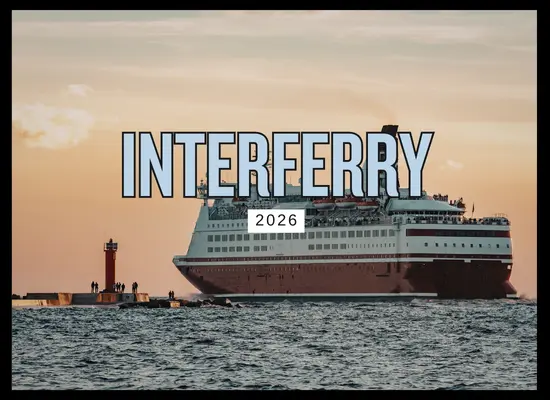
Interferry’s annual conference is one of the few places where ferry operators, yards, class, ports, and suppliers talk in the same language: schedules, reliability, passenger experience, and what actually pencils out for the next vessel or refit. The 50th edition heads to Bangkok, making it a strong week for anyone tracking fast-moving ferry technology, onboard systems, safety, and commercial performance.
⛴️
Interferry2026 — Event Snapshot
Oct 31 to Nov 4, 2026
Dates
October 31 to November 4, 2026
City & venue
Shangri-La Bangkok, Bangkok, Thailand
Edition
50th Annual Interferry Conference
Focus
Ferry and passenger vessel operations, technology, safety, customer experience, and commercial performance
Typical participants
Ferry operators and owners, shipyards and designers, class and regulators, ports and terminals, OEMs and service providers, finance and insurance
Format
Conference program plus networking and supplier engagement centered on practical operator needs
Bangkok is a major international hub, so teams can usually build strong attendance with fewer flight connections than many previous-host cities.
⚓
What makes Interferry different
Ferry-first conversations
Interferry’s annual conference is built around passenger-vessel realities. Discussions tend to stay close to dispatch reliability, port interfaces,
onboard systems, safety, and the economics of upgrades and newbuild decisions.
🧭
Operators drive the agenda
Content and hallway conversations usually revolve around what impacts daily performance: turnaround times, crew workflows, passenger flows, and incident prevention.
🛠️
Technology with a payback lens
Expect practical scrutiny on propulsion choices, energy efficiency, charging and fuel pathways, maintenance strategy, and the real-world effort to integrate new systems.
🧩
Ports and routes are part of the story
Ferry performance is a system. Interferry tends to connect vessel decisions to terminal interfaces, shore power readiness, and route constraints.
🤝
A high-conversion networking format
The conference is known for concentrated operator access. If you come with a shortlist and a clear scope, it is a strong setting for next-step meetings.
🎯
Best-fit use cases for attendees
Fleet renewal planning, hybrid and electric ferry pathways, onboard reliability improvements, passenger experience upgrades, terminal integration,
and vendor selection where operator references and operational constraints decide outcomes.
🧭
2026 week game plan
Oct 31 to Nov 4 • Shangri-La Bangkok
Interferry is a high-conversion operator week. You will get the most value by arriving with a short fleet decision list, then using sessions to pressure-test it,
and supplier conversations to confirm install burden, downtime, and support.
Suggested time split for a strong week
Tune for operator, supplier, or yard roles
Conference sessions
38%
Supplier and yard meetings
42%
Networking and follow ups
20%
If you are an operator, bias toward meetings and references. If you are a supplier, bias toward short qualification calls, then schedule deeper technical sessions off the floor.
⛴️
Operator playbook
Pick 2 priority outcomes: dispatch reliability, energy cost, safety, or passenger experience.
Bring one page per route: vessel type, call frequency, turnaround time, port constraints.
Ask for ship references and measurable results, not brochures.
Confirm downtime and yard scope for any retrofit path.
🏗️
Shipyard and class playbook
Pre-align on what counts as success: schedule adherence, emissions profile, lifecycle cost.
Bring a standard retrofit checklist: power margin, space, cabling routes, redundancy, approvals steps.
Use sessions to capture operator pain points that drive spec changes and warranty claims.
Book technical side meetings in the morning before traffic builds across Bangkok.
🧩
Supplier playbook
Qualify fast: fleet size, decision date, yard window, and who signs.
Bring one case study with install scope, downtime, and before/after metrics.
Be ready on support: spares, training, remote assist, and response time.
Lock next steps before the last full day so travel does not kill momentum.
🗓️
Simple day flow that works
Day 0
Arrive, walk the venue, and schedule your top 8 meetings. If you plan to do tours or add-on programs, lock those first so you do not collide with priority sessions.
Days 1–2
Use sessions to validate themes, then do targeted meetings right after while context is fresh. Capture specific constraints: port interface, turnaround minutes, downtime days, and approval steps.
Days 3–4
Close the loop: shortlist vendors and yards, confirm lead times, and set follow-up dates. Ship the action list internally within 48 hours of landing.
✅
Top questions to bring to every meeting
What changes crew workflow on Day 1?
What breaks first in real service?
What does support look like at 02:00?
What is the true install and downtime plan?
What approvals and verification are required?
What is a proven operator reference I can call?
🏙️
Practical notes for Bangkok and the riverside venue
Shangri-La Bangkok
Bangkok logistics can swing based on traffic and rain. The easiest win is choosing a hotel zone that keeps you close to the river and BTS access.
Venue map
The venue sits on the Chao Phraya River near BTS Saphan Taksin, which helps reduce taxi dependency for short hops.
Arrivals and transfers
Bangkok is typically served by two airports: Suvarnabhumi (BKK) and Don Mueang (DMK).
Plan buffer time for road congestion, especially during weekday peaks.
For teams, set one shared morning departure time and one evening regroup point.
Getting around without friction
Use BTS for predictable travel times when meetings are not on the river.
Use river boats for a fast, low-stress way to move along the Chao Phraya corridor.
If you must do taxis, schedule client dinners close to your hotel zone.
Hotel zones that work well
Riverside near Sathorn and Silom for quick venue access and strong evening options.
Silom and Sathorn for business meetings with easy BTS connectivity.
Chinatown for hosted dinners, then keep the next morning close to the venue.
🌦️
Comfort and reliability checklist
Light layers: humid days, strong indoor air conditioning.
Compact umbrella or rain shell for sudden showers.
Comfortable shoes for long venue days and riverside walking.
Carry a small power bank for long meeting runs.
Store meeting notes daily and send same-day follow ups.
Keep a simple one-page agenda for your team to stay aligned.