Cruise Security Upgrades That Are Reshaping the Boarding Gate
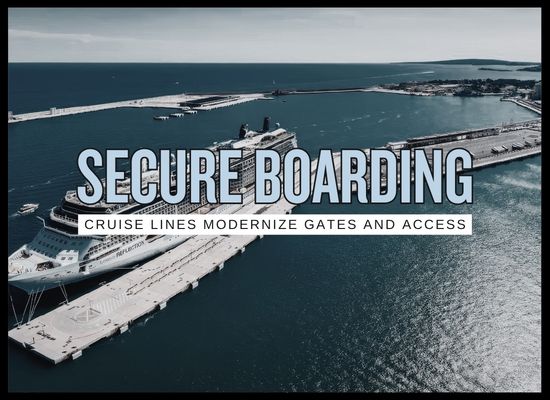
Cruise security is no longer centered on a single metal detector at the terminal entrance. The real upgrade cycle now is about moving thousands of people and bags through terminals and gangways with less friction, better threat detection, tighter identity verification, and more flexible onboard access control after embarkation. Current signals point to cruise operators and their terminal partners leaning harder into AI-assisted X-ray, high-throughput weapons detection, facial biometrics, wearable credentials, mobile keys, and centralized access platforms that can manage everything from stateroom entry to restricted crew zones and emergency lock states. The pressure behind those investments is clear: larger ships, tighter turnaround windows, rising guest expectations, and a security regime still anchored in the ISPS Code’s requirement for controlled access and screening discipline.
The checkpoint is no longer just a checkpoint because security, identity, and access are blending into one operating system
The cruise lines moving fastest now are not only buying better hardware. They are building a tighter chain between terminal screening, identity confirmation, embarkation flow, gangway return, stateroom entry, staff-only area control, and emergency command visibility. That shift matters because the best security stack today protects both the ship and the passenger journey.
The upgrade cycle has become easier to spot
Cruise security investment is becoming less about adding one more checkpoint machine and more about removing weak links across the full passenger and crew journey. That is why current buying signals increasingly cluster around faster screening lanes, biometric identity checks, smarter credentials, and centralized onboard access platforms.
10 cruise security screening systems and access-control products lines are upgrading
This list is arranged from the terminal lane inward toward the ship. It reflects the practical stack cruise lines and terminal partners are moving toward as larger ships and tighter turnarounds put more pressure on both security quality and passenger flow.
| # | System or product | Action | Current signal | Main payoff | Risk if weak | Strategic read |
|---|---|---|---|---|---|---|
1️⃣ |
AI-assisted cabin and carry-on X-ray screening
Baggage lanes are moving from image-only review toward machine-assisted detection.
|
Modern X-ray systems are being sold to cruise as faster bag screening with automated threat detection support and reduced blind spots. | Smiths Detection said in April 2025 that it secured a deal to supply SDX 6040 systems to major cruise lines, with the scanner integrating with iCMORE AI for automated detection of prohibited items and hazardous goods. | Higher throughput with less image-review fatigue. | Baggage bottlenecks and missed-threat pressure. | Bag scanners are becoming software-upgradable security platforms, not just static hardware boxes. |
2️⃣ |
High-throughput weapons detection portals
Cruise operators want people to keep walking instead of emptying every pocket.
|
These systems screen people at normal walking pace and are designed to distinguish likely threat items from routine personal metal. | Cruiseport Destinations Security called Evolv a game-changer for cruise in February 2025 and highlighted faster screening at terminals and private-destination bottlenecks, including optional integration with facial recognition. | Shorter lines and less intrusive screening experience. | Embarkation backups at the exact moment guest sentiment forms. | Passenger throughput is now a security buying criterion, not a separate operations problem. |
3️⃣ |
Portable open-gate screening for temporary or flexible lanes
Screening is spreading beyond one fixed terminal checkpoint.
|
Portable weapons-detection gates allow lines and terminal partners to add or reconfigure screening capacity for shore-return surges, tender operations, or destination-side controls. | CEIA markets OPENGATE as a faster walk-through weapons detection system for people carrying backpacks, purses, and bags, with remote management through a mobile app. | More flexible deployment where fixed infrastructure is limited. | Temporary lanes become the soft spot in the security chain. | Portable screening matters more as cruise pushes into private destinations and variable flow environments. |
4️⃣ |
Handheld secondary screening wands
Secondary screening is still necessary even as lanes get smarter.
|
Handheld detectors remain critical for resolving alerts quickly and precisely after portal screening. | CEIA continues to position its PD140-series handheld detectors as high-reliability tools for checkpoint use, with standards-aligned performance and fast, repeatable operations. | Faster secondary checks with less delay and less full pat-down dependence. | Every alarm becomes labor-heavy and passenger-visible. | Better primary screening does not eliminate the need for strong secondary tools. It makes them more targeted. |
5️⃣ |
Facial biometric embarkation and debarkation verification
Identity confirmation is moving closer to real-time walk-through processing.
|
Biometric facial comparison can verify a traveler against pre-existing records and cut friction at embarkation or arrival control points. | CBP announced a Royal Caribbean facial biometric deployment in Puerto Rico in February 2025, and CBP says its biometric seaport environment has reduced debarkation times by up to 30 percent. MSC Cruises also adopted face verification technology in its digital ecosystem. | Faster identity checks and cleaner exception handling. | Longer queues and more manual document friction. | Facial verification is moving from optional innovation to normal passenger-processing infrastructure. |
6️⃣ |
Biometric kiosks and pre-clearance identity stations
Self-service identity processing is quietly joining the screening stack.
|
Kiosks can handle registration, identity verification, and immigration-style pre-check steps before the guest reaches the final control point. | IDEMIA markets biometric BORDERGUARD kiosks for secure traveler registration and pre-checks, while its maritime passenger-journey messaging in 2025 focused on biometric-enabled, seamless cruise processing. | Less desk pressure and better queue shaping. | Manual counters stay overloaded while the terminal expands around them. | As cruise terminals modernize, kiosk logic can absorb part of the identity burden before staff touch the case. |
7️⃣ |
Wearable RFID and NFC guest credentials
Cruise lines increasingly want one credential to handle access, identity, and spend.
|
Wearables can combine boarding, cabin access, onboard purchases, and location-linked service functions into a single credential. | Princess says its Medallion is associated with a guest profile and onboard security photo, while Virgin Voyages markets The Band as the key to the cabin, wallet, and boarding journey. | Fewer lost cards, faster access, and cleaner guest authentication. | Fragmented credentialing and more replacement friction. | Wearables are no longer just convenience products. They are becoming access-control anchors. |
8️⃣ |
Smartphone digital keys and mobile credentials
The phone is becoming a usable credential, not just a cruise planner.
|
Mobile credentials allow guests to open staterooms and certain onboard spaces through app-based digital key functions. | Royal Caribbean’s digital terms say some vessels support Digital Key access to staterooms and other areas, while ASSA ABLOY’s marine and hospitality materials emphasize mobile keys as part of the upgrade path for cruise and hotel-style environments. | Less card dependence and more flexible credential management. | Guest access still depends on physical cards even when the rest of the journey has gone digital. | Mobile keys are a logical bridge between hotel technology and cruise access control. |
9️⃣ |
Centralized onboard access-control platforms
Cruise ships want one control layer over doors, zones, packages, and staff permissions.
|
Modern platforms manage staterooms, shared cabins, premium areas, crew permissions, and linked credentials from a centralized system. | ASSA ABLOY’s cruise-ship platform messaging now centers on centralized control, secure staff access, customizable access areas, and seamless assignment of multiple credentials to the same guest. | Better oversight of who can go where and when. | Access rights become fragmented across different ship systems. | As ships become more hotel-like, centralized access software becomes more commercially important as well as more secure. |
🔟 |
Bridge-linked emergency locking and integrated access response
Access control is also an incident-response product.
|
Integrated maritime access systems can link doors to central control so operators can change external-door states or monitor response during a threat or emergency. | ASSA ABLOY’s marine materials state that access doors can be linked to a central control system on the bridge and that external doors can be locked or unlocked in emergencies. | Faster coordinated response to security incidents. | A ship can screen well yet still respond slowly once a problem moves onboard. | The strongest access products are not just about convenience. They are about command visibility when seconds matter. |
A closer look at where the money is actually going
Cruise security buying is spreading across three layers at once. The first is faster and smarter checkpoint detection. The second is better identity confirmation. The third is tighter onboard credential and door control after the passenger has already boarded. Lines that upgrade only one layer often solve one bottleneck while leaving the next one intact.
1️⃣ AI-assisted bag screening
Cruise lines need baggage systems that can keep pace with high-volume embarkation without handing every image-review burden to a single operator. That is why AI-assisted X-ray is becoming a more visible cruise purchase. The hardware still matters, but the real upgrade is the software layer that helps identify prohibited items and reduce the burden on human reviewers.
2️⃣ Walk-through weapons detection
Traditional checkpoint logic makes passengers stop, empty pockets, and trigger avoidable nuisance alarms. The newer high-throughput model is more hospitality-friendly while still being security-focused. For cruise, that matters because the line between a secure terminal and a frustrating terminal is often just a few minutes of queue behavior multiplied across a full ship.
3️⃣ Portable detection for flexible operations
Cruise security is not always happening in one purpose-built terminal lane. Shore-return areas, private islands, provisional terminal spaces, and peak-day overflow zones all benefit from portable screening capability. That is why flexible gates and portable deployments are starting to matter more than before.
4️⃣ Secondary screening tools
Even the best portal needs a strong secondary response. Cruise operators that overlook handheld devices often end up turning every red alert into a slower and more intrusive event than it needs to be. Secondary tools matter most when the primary systems are already good, because the remaining alarms need to be resolved quickly and confidently.
5️⃣ Facial biometric identity checks
Cruise has been moving toward biometric passenger processing for years, but the operating case is stronger now because lines want lower friction at scale. The appeal is not only speed. It is also cleaner identity confirmation, easier exception handling, and the ability to integrate passenger processing into a more continuous digital flow from check-in through arrival.
6️⃣ Kiosks and pre-check identity stations
Self-service identity tools are one of the quietest but most logical upgrades in cruise security. They do not replace people entirely, but they can absorb repetitive verification tasks before staff handle the exceptions. For a ship with thousands of guests, that division of labor matters.
7️⃣ Wearable credentials
Wearables have moved beyond novelty because cruise lines want fewer separate tokens for access, payments, and guest recognition. A wearable that handles cabin access, purchasing, and identity-linked service actions reduces friction while strengthening control over the credential itself.
8️⃣ Mobile keys and app-based credentials
Cruise apps started as trip-management tools. Now they are increasingly part of the access stack. Mobile keys matter because they reduce reliance on physical cards and let lines treat the phone as a controlled identity token in the same way hotels increasingly do.
9️⃣ Centralized access software for guests and crew
Cruise access control is becoming more software-defined. Operators increasingly need to manage shared cabins, premium zones, staff-only areas, and changing guest packages from one system instead of a patchwork of separate permissions. That becomes even more important on larger ships with more segmented products and more variable passenger entitlements.
🔟 Emergency-linked door control
The last category is easy to underestimate because it becomes most visible only when something goes wrong. Integrated emergency door control matters because the ship needs to do more than detect a threat. It needs to respond quickly and coherently once the threat is inside the operational environment.
Cruise security modernization pressure tool
Adjust the sliders to estimate how strongly a cruise line or terminal partner may feel pressure to upgrade screening and access systems. The model blends throughput pressure, identity complexity, onboard credential sophistication, and emergency-response expectations.
Higher values reflect bigger ships, tighter turnarounds, and less tolerance for terminal queues.
Higher values reflect heavier use of biometrics, digital pre-check, and cross-system passenger verification.
Higher values reflect more premium areas, mobile credentials, shared cabin logic, and crew-zone control requirements.
Higher values reflect more private destinations, variable terminals, and need for portable or reconfigurable screening.
Higher values reflect stronger need for integrated access control, emergency locking, and rapid response visibility.
We welcome your feedback, suggestions, corrections, and ideas for enhancements. Please click here to get in touch.