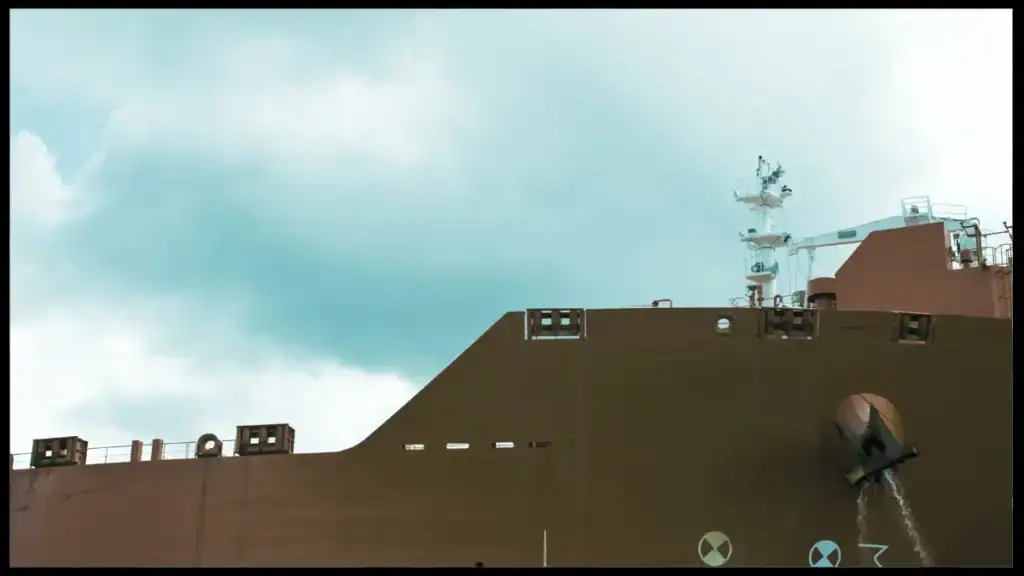
London just tightened the vice on Russia-linked oil logistics: the UK named 70 additional tankers connected to the “shadow fleet,” expanding restrictions on dealings by UK persons and raising the bar for banks, insurers, brokers, and terminals that touch these voyages, even outside the UK’s borders via secondary risk and internal compliance rules. Expect sharper KYC, slower nominations, and more diversions where ownership/control is murky.
Top Developments Impacting P&L
Story
What Happened & Who’s Affected
Business Mechanics
Bottom-Line Effect
UK names 70 additional tankers
UK authorities updated the Russia sanctions regime, specifying 70 ships tied to the shadow oil trade. UK persons are restricted from providing funds/economic resources to designated parties; firms globally tend to adopt parallel controls to avoid facilitation risk. Affects owners, managers, charterers, P&I/war-risk insurers, banks, brokers, and terminals with UK touchpoints.
Heightened KYC/UBO checks; enhanced due diligence on fixtures; counterparty/offtake reviews; potential refusals by banks/insurers; more re-routing when risk flags trigger.
📈 Supportive for compliant fleets as effective capacity shrinks on sanctioned lanes; 📉 higher compliance costs and delay risk for exposed operators; possible premium for “clean” liftings.
Insurance & finance spillover
P&I/war-risk underwriters and trade-finance desks tighten screens on vessels, managers, and beneficial owners overlapping the updated list; some portfolios adopt UK rules by policy even when not legally required.
More questionnaires, attestations, and “letter of undertaking” requirements; slower binding and drawdowns; selective cover withdrawals on high-risk fixtures.
📉 Admin and time costs up; potential missed laycans; stronger pricing power for owners with spotless compliance histories.
Cargo routing reshuffle
Traders/charterers lean away from newly flagged units; some cargoes shift to longer or alternative routes/ports to avoid UK/EU service touchpoints.
Incremental ton-mile extension where substitutions occur; higher odds of last-minute substitutions and diversions when counterparties are declined.
📈 Spot firmness risk on short notice; 📉 off-hire/diversion exposure for implicated tonnage.
Ops & documentation drag
Agents and terminals increase document scrutiny (certificates of insurance, attestations, sanctions questionnaires); some ports apply a more conservative stance when UK lists are updated.
Longer lead times for nominations/berthing approvals; more frequent compliance checkpoints across the voyage chain.
Owners with transparent UBOs, audited compliance, and clean trading histories find it easier to secure lifts and finance, widening the gap vs. opaque structures.
Banks/insurers reward low-risk fleets with smoother service; charterers pay up for certainty on sensitive cargoes.
📈 Utilization and TCE outperformance for “clean” fleets; 📉 discounting and idle time risk for tainted or ambiguous units.
Note: Based on UK government publications dated Sept 12, 2025 listing **70 specified ships** under Russia sanctions, and corroborating wire/trade reporting on the package and its focus on the shadow fleet. Actual impacts vary by fleet mix, counterparties, and finance/insurance relationships.
📈 Winners
📉 Losers
Compliant crude/product tanker owners: tighter screening trims usable “gray” capacity, improving lift odds and TCEs for transparent fleets.
P&I Clubs and underwriters with robust KYC: higher demand for clean cover and due-diligence services strengthens pricing power.
Banks and trade-finance desks with strict policies: more transactions routed through institutions that can clear sanctions hurdles.
Charterers reliant on opaque ownership chains: nomination refusals and last-minute substitutions increase demurrage/off-hire exposure.
Trade houses moving Russia-linked cargo via flagged units: more counterparty declines and document challenges.
Flags and managers with weak transparency: elevated scrutiny reduces utilization and raises admin burden.
Terminals/agents tied to newly listed vessels: greater legal exposure and potential revenue loss from declined calls.
Older tonnage with complex UBO: discounting intensifies versus modern, well-documented ships.
Note: View reflects the latest UK expansion targeting 70 additional tankers linked to Russia’s shadow fleet and the typical market responses by banks, insurers, charterers, ports, and brokers. Actual outcomes vary by counterparty mix and contract cover.
The UK’s expanded blacklist of shadow-fleet tankers tightens liquidity and access to mainstream services for Russia-linked oil movements, effectively reducing usable capacity on sensitive routes. For owners with transparent structures and established compliance records, the near-term backdrop tends to be supportive for utilization and TCEs. For vessels with opaque ownership or higher risk profiles, friction rises across banking, insurance, and port interfaces, increasing the likelihood of delays and declined nominations.
Cargo flows may continue to rebalance through alternative routes and counterparties, sustaining episodic volatility in spot markets, particularly around Baltic loadings and trades that interface with UK/EU financial infrastructure. Overall, the immediate impact is more about operational and compliance drag than demand destruction, with pricing power tilting toward fleets that can clear heightened scrutiny without disruption.