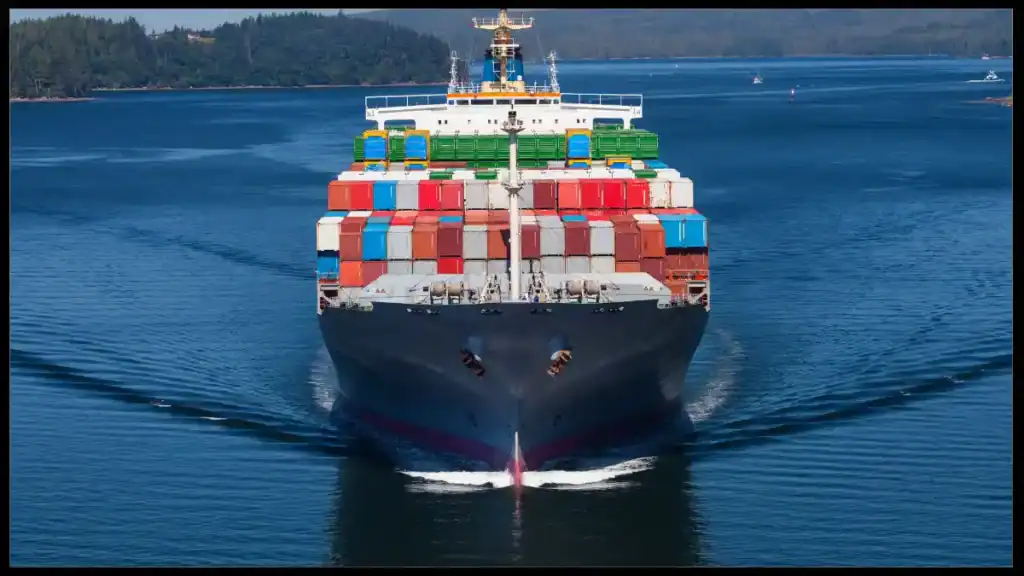
CMA CGM told customers it’s prepared for the U.S. “China-linked” port-entry fees that start October 14, 2025 and does not plan to add a surcharge (for now). That stance puts competitive pressure on peers deciding whether to pass on the new costs, and it raises real questions about how networks, contracts, and rates adjust as the fee regime ramps up over 2025–2028.
CMA CGM’s Position vs. U.S. China-Linked Port Fees — P&L Overview
Item
What Happened & Who’s Affected
Business Mechanics
Bottom-Line Effect
Carrier Stance
CMA CGM advises clients it **won’t add a new surcharge** tied to the U.S. fee rollout (as currently structured). Affects shippers on U.S.-bound strings and rival carriers weighing pass-through.
Internalizing/route-managing costs; using network and contract levers rather than a blanket fee line item.
📈 Commercial goodwill with BCOs/NVOs; 📉 near-term margin pressure if exposure isn’t offset elsewhere.
Fee Framework
U.S. port-entry fees start Oct 14, 2025, with rates beginning around $50 per net ton for targeted vessels/operators and rising over time under the Section 301 action.
Scope hinges on ownership/operation links (and in some versions, build origin); escalation path through 2028 is phased.
📉 Structural cost line on impacted strings; planning window before rates step up.
Network Choices
Carriers can re-time calls, swap vessels, or re-cut rotations to manage fee exposure without visible surcharges.
Loop redesign, vessel assignment by ownership/build status, and alliance slot management.
↔ Cost containment if executed well; 📉 schedule risk during re-ramp; potential port winners/losers.
Contracting
Shippers push for no-new-fee guarantees; carriers seek flex clauses to adjust if policy or exposure shifts.
Tariff notes, GRIs/FAK guardrails, and exception triggers tied to regulatory change.
📈 Predictability valued by BCOs; 📉 risk that carriers must recoup via selective rate firmness elsewhere.
Enforcement Optics
Market expects active enforcement once the rule turns on; legal advisories urge documentation readiness and exposure mapping.
📉 Admin overhead; 📈 fewer surprises at gates if dossiers are clean.
Competitive Moves
Peers may add targeted surcharges or echo the no-surcharge stance and absorb/route around costs.
Commercial positioning vs. key ACC/TP lanes; alliance-level slot swaps to de-risk.
↔ Rate dispersion by lane; 📈 opportunity for share gains if rivals pass costs through bluntly.
Policy Trajectory
The U.S. fee plan evolved from earlier, much steeper proposals; rules and exemptions have shifted during 2025.
Expect iterative guidance; track exemptions and phased increases through 2028.
↔ Planning complexity; 📈 upside if exemptions broaden; 📉 downside if scope tightens.
Note: Carrier stance confirmed via CMA CGM customer advisory and trade press; fee timing and structure drawn from USTR releases and reputable industry coverage.
📈 Winners
📉 Losers
U.S.-bound shippers on CMA CGM: near-term cost predictability if the carrier holds its no-surcharge stance.
CMA CGM’s commercial team: goodwill and potential share gains where rivals choose fee pass-throughs.
Contracted BCOs/NVOs with clean clauses: leverage to keep all-in rates stable and avoid ad-hoc surcharges.
Ports/routes with lower fee exposure: may capture calls if networks are re-cut to manage compliance and cost.
Compliance & advisory desks: demand for exposure mapping (ownership/build/route) and documentation readiness.
Carriers opting for surcharges: price disadvantage versus a major line signaling “no new fee” (for now).
CMA CGM margins (near term): pressure if fee exposure cannot be offset via route design or yield management.
Shippers on other lines without protection: higher all-in landed cost if surcharges appear elsewhere.
Ports tied to higher-exposure rotations: risk of call reductions as alliances swap vessels or re-time loops.
Lessors/owners of affected hulls: potential utilization dips if specific vessel attributes trigger additional costs.
Note: Directional view based on CMA CGM’s stated “no surcharge” position and the pending U.S. fee regime targeting China-linked tonnage. Actual outcomes depend on final rule scope, alliance routing, and contract terms.
📊 Fee Exposure Meteras of Sep 11, 2025
0%
LowMediumHigh
Status: Not in effect until Oct 14, 2025. Fee assessed at the first U.S. call on a string; up to 5 charges per vessel/year.
Official Fee Schedules
Annex I
Per Net Ton (Operator of Chinese-owned/operated vessel)
Apr 17, 2025
$0
Oct 14, 2025
$50
Apr 17, 2026
$80
Apr 17, 2027
$110
Apr 17, 2028
$140
Annex II
Greater of Per Net Ton (cargo discharged) or Per Container (Chinese-built vessel)
Date
Per NT / Per Container
Apr 17, 2025
$0 / $0
Oct 14, 2025
$18 / $120
Apr 17, 2026
$23 / $153
Apr 17, 2027
$28 / $195
Apr 17, 2028
$33 / $250
LNG carriers (Annex IV) and vehicle carriers (Annex III) follow separate rules; some exemptions/remissions apply.
How can a carrier avoid visible surcharges and still manage costs?
By re-cutting loops, assigning lower-exposure hulls to U.S. calls, and using contract levers rather than a blanket fee line item.
What should shippers ask for in contracts?
Clear language on regulatory change triggers, notice periods, and how cost adjustments (if any) are calculated and evidenced.
Which ports may gain or lose calls?
Gateways with lower fee exposure or stronger intermodal turn times can attract rotations if alliances reshuffle to blunt costs.
Lane
Exposure Driver
Mitigation Lever
P&L Note
Transpacific (Asia → U.S. West)
Vessel ownership/build origin & direct U.S. calls
Swap hulls; adjust rotations; inland via alternate gateways
↔ Absorb vs. pass-through calculus on key contracts
Asia → U.S. East (via canal)
Longer strings with multiple U.S. entries
Consolidate calls; balance port pairs
📉 Higher risk of cost creep if unchanged
Asia → Canada (transload to U.S.)
Indirect exposure via cross-border flows
Optimize transload & rail routings
📈 Can reduce fee touchpoints if efficient
Contract Language Ideas (edit to your counsel’s guidance)
1) Regulatory Change Notice:
   "Carrier shall notify Shipper within X days of any material change in
   applicable port-entry fees affecting this service."

2) Adjustment Guardrail:
   "Any cost adjustment shall be evidenced by published tariff/official notice
   and limited to the documented incremental exposure on the covered lane."

3) Routing Flex:
   "Carrier may adjust rotation or port pairings to minimize exposure, provided
   agreed transit-time windows are maintained barring force majeure."
For Carriers/Owners
Map exposure by ownership/operation/build for all U.S. calls.
Pre-plan vessel swaps and rotation trims to reduce fee events.
Align customer comms—no-surcharge stance vs. selective yield moves.
For BCOs/NVOs
Lock clarity on fee treatment in tenders; add evidence requirements.
Track lane-level on-time performance during network reshuffles.
CMA CGM’s decision not to add a surcharge ahead of the U.S. fee regime sharpens the focus on network design and contract language rather than headline pricing. The real impact will depend on how quickly carriers can reassign vessels and re-cut rotations to limit fee exposure, and how shippers structure protections in their agreements. As enforcement starts, differences in documentation, ownership structure, and port selection will matter more at the margin. For both sides of the table, the edge goes to those who prepare early and keep options open.