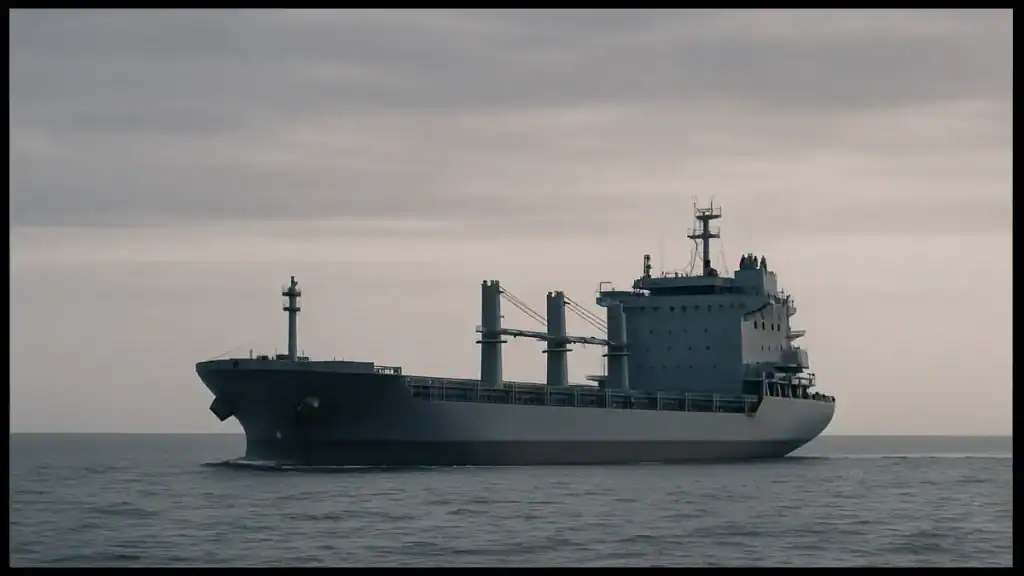
India’s Directorate General of Shipping (DGS) has issued a draft circular proposing to blacklist 86 foreign vessels linked to abandonment, detention, or arrest of Indian seafarers—citing cases where ships lack mandatory documents, including valid P&I cover. The draft directs immediate repatriation of Indians on the listed ships and bars new deployments of Indian crew to those vessels. Multiple outlets have picked up the move, signaling near-term crewing disruption and compliance cost for operators engaging Indian seafarers.
DGS plans to bar new placements of Indian seafarers on 86 named vessels tied to abandonment/detention cases. Affects owners/operators using Indian crew, manning agents, charterers with Indian-crewed ships.
Circular instructs no fresh deployment on listed ships; manning agencies must comply; non-compliance risks penalties and loss of approvals.
📉 Crew shortage & scramble costs on affected vessels; 📉 possible off-hire if relief crew sourcing fails; 📈 incentive to improve welfare/contracting standards.
Immediate Repatriation
Indian crew currently aboard listed ships are to be repatriated. Owners/ISM managers face near-term manning disruption.
Owners/agents coordinate passages to safe port; documentation with DGS; proof of settlement of wages & dues before crew relief.
📉 Unplanned travel & relief costs; 📉 schedule risk during change-outs; ↔ reputational repair if handled promptly.
Blacklist Triggers
Many listed ships allegedly lack minimum mandatory documents (e.g., valid P&I), or are linked to wage non-payment, detentions and prolonged abandonment.
Evidence via case records; owners invited to rectify and submit proof to seek removal from list; coordination with MEA/ports.
📉 Higher insurance & compliance costs to re-enter Indian crewing market; 📈 premium relief for operators with verifiable cover and clean records.
Market Exposure
India supplies a large share of global crew; restrictions can ripple across dry, tanker, and offshore segments using Indian nationals.
Some operators may re-route or reflag crewing sources short-term; longer term, restoration requires DGS acceptance and verified remedies.
📉 Day-rate/headcount pressure where Indian crew are material; 📈 opportunity for compliant owners to secure talent on better terms.
Contracts & PSC
Charterers and financiers may scrutinize blacklisted tonnage; ports/PSC watch for wage arrears and crew welfare issues.
Add welfare warranties, escrow for wages, and evidence of P&I to fixtures; keep PSC-ready documentation onboard.
📉 Potential discounts/delays for flagged vessels; 📈 preferential access for demonstrably compliant tonnage.
Media & Optics
Coverage spans trade and mainstream outlets (Maritime Executive, Ship & Bunker, Economic Times Infra, Marine Insight), amplifying scrutiny on listed owners.
Public lists + news cycle elevate reputational risk; quick remediation and transparent comms matter.
↔ Costs depend on speed of cure; faster compliance lowers funding/insurance friction.
Note: Based on DGS draft Circular and multi-outlet reporting confirming scope and directives, including repatriation orders and a bar on new Indian crew deployments for the named vessels.
📈 Winners
📉 Losers
Compliant shipowners and operators: gain competitive advantage as enforcement weeds out bad actors.
Indian seafarers: stronger protections and faster repatriation from abandoned or unsafe ships.
Insurance underwriters and P&I clubs: cleaner risk pool with mandatory coverage and documentation enforced.
Manning agents with high standards: more credibility and stronger relationships with regulators.
Charterers needing reliability: improved assurance that contracted vessels meet minimum welfare and compliance standards.
Blacklisted vessel owners: face loss of Indian crew access, reputational damage, and potential off-hire costs.
Manning agencies tied to poor operators: risk penalties and loss of licenses if they violate the ban.
Charterers exposed to affected tonnage: encounter disruptions, forced substitutions, and higher insurance costs.
Flag states with weak oversight: reputation suffers as their ships appear on blacklists.
Financiers of listed vessels: face greater difficulty in securing insurance, charters, and cash flow from impaired assets.
Note: Based on India’s Directorate General of Shipping draft circular and coverage in various industry outlets.
Blacklists rarely make headlines outside compliance circles, but India’s move is different. With 86 vessels now flagged, the message is clear: cut corners on seafarer welfare and you’ll lose access to one of the world’s largest crewing pools.
Importance: Indian nationals make up nearly 9% of the global seafaring workforce. A ban at this scale affects manning pipelines, chartering costs, and insurance terms far beyond South Asia.
For shipowners, this touches contracts, crew rotations, and even port state control optics. The blacklist isn’t just about punishing offenders; it forces everyone else to demonstrate higher standards, faster.
📑Insurance checks: underwriters will press harder for proof of valid P&I before renewing cover.
📜Charter contracts: clauses on crew welfare and wage escrow likely to be tightened.
🔍Reputation management: owners risk being publicly tied to abandonment cases.
Taken together, the blacklist is a reset signal: the cheapest crewing solution is no longer the most viable. The winners will be those who treat compliance and welfare as strategic levers, not just regulatory burdens.