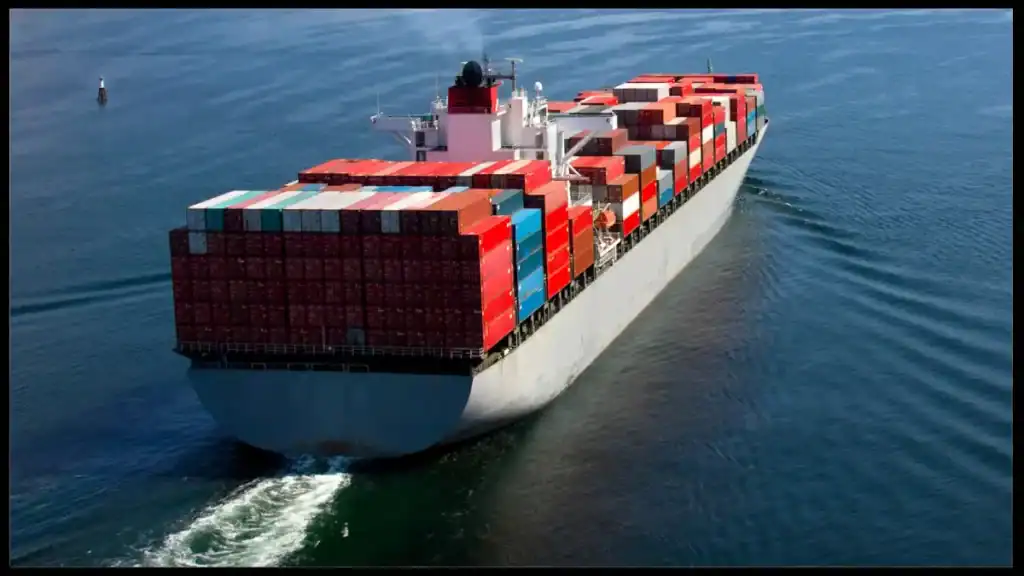
A new data release from the World Shipping Council shows 11.39% of inspected cargo shipments in 2024 had safety deficiencies, edging up from 11% in 2023. The problems span mis-declared or undeclared dangerous goods, improper packing, and bad paperwork, the same issues that fuel shipboard fires and costly disruptions. One analysis extrapolates this rate to ~27.5 million boxes out of ~250 million moved annually, underscoring how a “quality leak” at the container level scales up to real P&L exposure for owners, charterers, ports, and insurers.
Inspections found more than one in ten shipments deficient; common failures include undeclared or mis-declared dangerous goods and improper packing (WSC data; trade press).
Higher risk of stowage incidents and fires; carriers increase screening and DG segregation checks at origin and transhipment.
📉 Extra inspection costs and slower turns; 📉 potential casualty exposure (repairs, off-hire, claims).
Documentation Gaps
Incorrect or incomplete paperwork drives hold-ups and rework for carriers, terminals, and customs.
Gate and yard exceptions multiply; more “stop loads” and re-stows; terminals tighten acceptance rules.
📉 Dwell and handling costs rise; 📉 schedule reliability suffers on affected loops.
Insurance Response
Underwriters recalibrate pricing/terms where DG risk and packing quality are weak; operators with strong controls earn better treatment.
War-risk aside, hull/cargo premiums and deductibles adjust corridor-by-corridor; warranties and disclosure tighten.
📉 Premium creep for poor controls; 📈 pricing advantage for data-driven operators.
Terminal SOP Upgrades
Ports/terminals react with stricter acceptance and hazard checks; some require enhanced DG pre-advice and packing validation.
More inspections at gate; targeted scanning; refined yard segregation; revisions to stow plans.
↔ Slightly slower gates but 📈 fewer on-dock incidents; net savings if casualty risk drops.
Carrier Contracting
Carriers harden terms (mis-declaration fees, indemnities) and reserve the right to refuse doubtful bookings.
Revised BL/booking clauses; audits of high-risk shippers; automated flagging via EDI/API data quality checks.
📈 Recoverability of exception costs improves; 📉 some volume lost from non-compliant shippers.
Shipper Playbook
BCOs/forwarders implement packing SOP refreshers and DG self-audits to avoid penalties and roll-overs.
Training, verified packing lists, and traceable data fields (UN numbers, flash points where applicable) pushed upstream.
Carriers with weak screening & documentation control: premium creep, schedule hits from rework, elevated casualty exposure.
Terminals with lax gate checks: greater incident risk, downtime, and reputational damage with lines and insurers.
Thin-margin trades reliant on speed over diligence: tighter SOPs slow gates and erode “just-in-time” advantages.
Operators lacking quality data trails: tougher claims outcomes and stricter warranties/exclusions in policies.
Note: Directional view tied to WSC-reported container safety deficiencies and multi-outlet coverage. Adjust to your routes, cargo mix, and policy terms.
Owner’s Checklist — Implement This Quarter
Refresh DG booking clauses (fees, indemnities, refusal rights) and push updates to templates.
Require verified packing lists + key DG data fields (UN#, flash point, packaging group) before cut-off.
Deploy a pre-gate screening step (randomized checks or targeted risk flags) with fast exception routing.
Log a data trail (timestamped docs, photos) to strengthen claims outcomes and insurer confidence.
KPI
Target
Current
Trend
Pre-gate exception rate (DG/doc)
< 3%
—
↔
Avg. re-stow per 1,000 boxes
< 5
—
↘
DG booking lead-time compliance
≥ 95%
—
↗
What changes tomorrow on the pier?
More targeted checks at gate, earlier DG data submission, and faster “reject/repair” loops for bad paperwork.
What changes next quarter in contracts?
Broader mis-declaration clauses, clearer insurer warranties, and priority windows for high-compliance shippers.
Container safety isn’t an abstract compliance issue, it is steadily becoming a cost driver and a reputational risk factor across the maritime chain. The latest WSC data shows that quality gaps are large enough to influence insurance pricing, contract structures, and even routing choices. For shipowners, charterers, and ports, this means every deficient box can ripple outward into higher premiums, disrupted schedules, or tighter acceptance rules. At the same time, those who invest in better packing standards, documentation discipline, and verifiable data stand to benefit from smoother operations and more predictable costs. The trajectory is clear: container integrity and risk management are now firmly part of the bottom-line conversation.