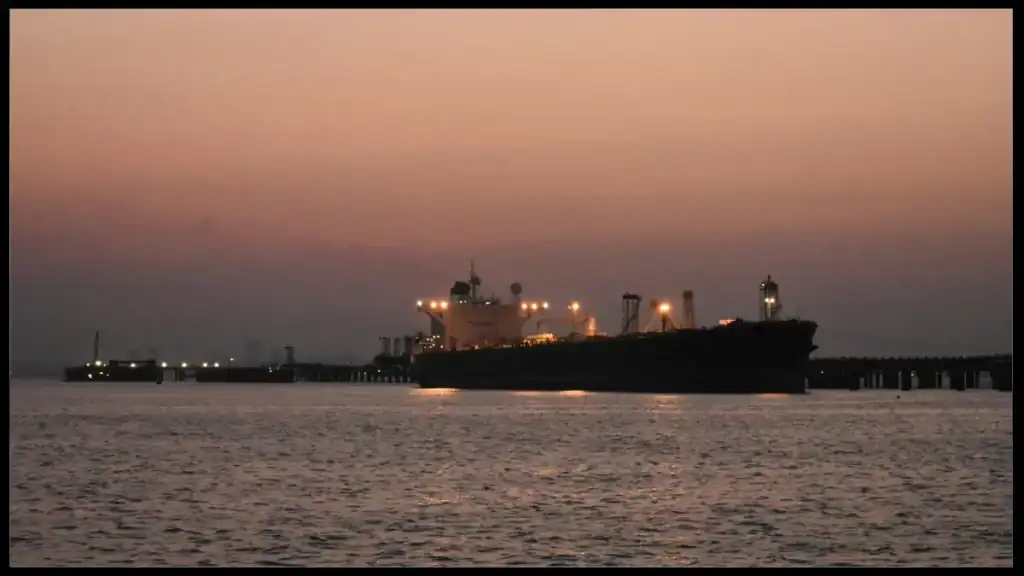
Here’s the run-down on the stories we think actually move money for shipping stakeholders right now: looming U.S. port charges targeting Chinese-linked tonnage, Ørsted’s balance-sheet rescue with knock-on effects for offshore vessels, sanctioned Arctic LNG slipping into Asian trades, Europe’s port pecking order shifting after alliance reshuffles, insurers bracing for a less global world, and fresh Chinese capacity plans via Ningbo Ocean Shipping.
Recent Developments and Why It Hits the P&L
Story
What Happened & Who’s Affected
Business Mechanics
Bottom-Line Effect
U.S. Port Fee Risk
Analysts and company briefings flag sizable potential charges on Chinese-linked vessels calling U.S. ports, with COSCO/OOCL cited among those most exposed.
Fee pass-through depends on contract terms and alliance routing; carriers may re-time calls or redeploy loops to blunt exposure.
📉 Material cost headwind for exposed liners; 📈 possible rate firming or surcharges on U.S. trades if costs are passed on.
Offshore Wind Financing Reset
Ørsted shareholders approved a ~$9.4B rights issue to stabilize finances amid U.S. project delays and political headwinds; guidance trimmed and credit pressure noted.
Capex pacing and project schedules drive demand for WTIVs/SOVs/CTVs; legal outcomes and U.S. permitting will set the activity curve.
📉 Near-term utilization softness for offshore vessels tied to delayed projects; 📈 medium-term rebound if work resumes on firmer footing.
Arctic LNG Still Moving
Ship-tracking shows cargoes from Russia’s sanctioned Arctic LNG 2 project arriving/departing Chinese ports, underscoring continued Asia pull despite sanctions.
Added compliance, insurance scrutiny, and routing choices affect chartering and coverage terms for LNG tonnage touching these trades.
📉 Higher risk/insurance premia; ↔ flows persist, but owners face tighter due diligence and potential schedule friction.
EU Port Winners & Losers
After this year’s liner alliance reshuffles, some European gateways gain mainline calls while others lose share, altering berth utilization and hinterland flows.
Alliance network design concentrates volumes; ports with depth/rail/yard resilience capture more loops and value-added logistics.
📈 Throughput and revenue lift for favored ports; 📉 pressure on rivals losing rotations and associated logistics spend.
Insurance Lens on Fragmentation
At IUMI, leadership warned that a slower, more fragmented global trade environment is reshaping risk and coverage assumptions for marine insurance.
📉 Premium creep and tighter terms on higher-risk corridors; 📈 value for operators with strong risk controls and routing discipline.
Fresh Chinese Capacity
Ningbo Ocean Shipping disclosed plans of up to ~RMB 2bn for four ~4,300 TEU boxship newbuilds via Singapore units, signaling continued fleet growth.
Added regional capacity can pressure rates if demand lags; timing and delivery slots matter for market balance.
↔ Mild rate pressure in targeted lanes if supply runs ahead; 📈 upside for builders and equipment suppliers.
Note: Compiled from company statements, trade press, and major news outlets as of early September 2025.
📈 Winners
📉 Losers
Carriers with pricing power on U.S. trades: better positioned to pass through potential port fee surcharges and adjust rotations.
European ports gaining calls post-reshuffle: throughput, storage, and value-added services see uplift as alliances concentrate volumes.
Insurers favoring disciplined operators: stronger risk controls and routing discipline support more favorable terms amid fragmentation talk.
Shipyards & marine suppliers in China: Ningbo Ocean Shipping’s newbuild plans support yards, equipment makers, and lessors.
LNG compliance & advisory ecosystems: continued sanctioned Arctic LNG movements drive demand for due-diligence, legal, and insurance services.
Offshore contractors in a recovery scenario: if Ørsted’s recapitalization steadies projects, medium-term WTIV/SOV utilization can rebound.
Chinese-linked liners most exposed to U.S. fees: potential multi-billion cost headwind if charges land and cannot be fully passed through.
European ports losing alliance rotations: lower berth utilization and reduced ancillary revenues pressure margins.
Offshore wind vessel providers near-term: litigation and schedule slippage defer demand and day-rate support.
Owners active on higher-risk corridors: insurance premium creep and stricter warranties raise voyage costs.
Regional container trades facing fresh capacity: new Chinese tonnage can soften rates if demand lags deliveries.
LNG owners touching sanctioned flows without airtight compliance: heightened detention/coverage risk and legal overhead.
Note: Directional view based on company statements, credible trade press, and port/insurance commentary.
Reading the Currents: Where These Shifts Leave Us
These developments tie together, and the common thread would seem to be adjustment: stakeholders are being forced to change strategies on cost recovery, port positioning, insurance exposure, and capital deployment. Here are the angles that stand out:
Port economics are being rewritten: alliance reshuffles in Europe and PSA-style expansions elsewhere show us that throughput concentration is the new normal.
Compliance is becoming a cost center: sanctioned LNG flows and looming U.S. port fees highlight how legal and regulatory hurdles hit the bottom line as much as fuel or crew.
Capital cycles matter more than ever: Ørsted’s rights issue shows how offshore financing stress cascades into vessel orderbooks and utilization.
Fleet supply decisions ripple globally: new Chinese capacity plans are small in scale, but they add to the rate equation when demand lags.
Insurance isn’t background noise anymore: fragmentation fears are making marine underwriting a boardroom topic.
Adjustments Triggered by Recent Maritime Shifts
Theme
Adjustment Being Made
Who’s Making It
Why It Matters
Cost Recovery
Carriers prepare new surcharge clauses and tariff language to handle possible U.S. port levies.
Global liners, legal/commercial desks.
📈 Ability to push costs onto customers could make or break margin lines in 2026.
Port Positioning
Terminals ramp up rail/yard efficiency to retain alliance calls after reshuffle shakeouts.
European ports, hinterland operators.
📈 Ports that adapt fast gain lasting throughput and investment flow.
Compliance & Cover
Owners add screening protocols and diversify cover to avoid sanction entanglement.
LNG owners, P&I clubs, banks.
📉 Slows fixtures but avoids larger legal/financial losses down the road.
Capital Timing
Yards and owners push back non-urgent offshore newbuilds until financing visibility improves.
WTIV/SOV builders, offshore owners.
📉 Keeps balance sheets intact; 📈 leaves room for opportunistic orders when markets rebound.
Fleet Supply
Regional carriers balance between ordering new tonnage and chartering to hedge demand swings.
Chinese and regional boxship operators.
↔ Keeps options open; prevents oversupply from crushing rates.
Insurance Strategy
Shippers and owners lock in longer policies before premiums rise further.
Marine insurers, shipowners, charterers.
📈 Better predictability in cost lines; 📉 risk of being locked into restrictive clauses.
Note: Table reflects strategic adjustments observed across carriers, ports, insurers, and offshore contractors based on trade press and company disclosures.