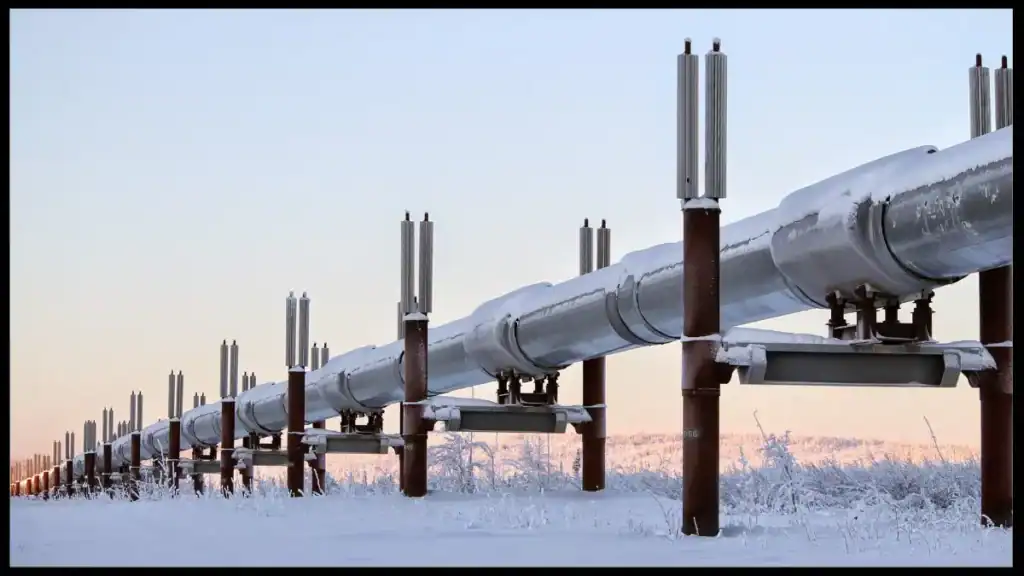
Russia’s Gazprom and China’s CNPC announced a legally binding memorandum to build the Power of Siberia-2 gas pipeline via Mongolia (often called the Soyuz Vostok transit). Headline capacity is ~50 bcm/year. Crucially, price and full commercial terms are still undisclosed, and there’s no public FID or start date. In parallel, the sides said they’ll lift flows on existing routes: Power of Siberia (PoS-1) to 44 bcm/y (from 38) and the Far Eastern/Sakhalin route to 12 bcm/y (from 10). For stakeholders, this is a political green light with limited near-term P&L effect until price, financing, and schedule crystallize.
Recent Developments & P&L Consequences
Story
What Happened & Who’s Affected
Business Mechanics
Bottom-Line Effect
Binding Memo Signed
Gazprom and CNPC signed a legally binding memorandum to advance PoS-2 via Mongolia. Affects pipeline EPCs, steel makers, financiers, LNG exporters, and Mongolian transit authorities.
Memo frames structure and intent but is not a full sales contract. Price formula, financing, and FID still open; enabling works can start ahead of commercial close.
↔ Near-term: limited. 📈 Long-term optionality for Russia supply and China’s diversification if pricing works.
Route & Capacity
West Siberia/Yamal gas routed to northern China through Mongolia (Soyuz Vostok transit). Nameplate guidance around 50 bcm/year.
Overland volumes could substitute part of China’s future LNG intake; lowers exposure to spot LNG volatility when online.
📉 Potential mid-late decade demand drag for LNG shipping to China; 📈 steadier baseload gas for Chinese buyers.
Pricing & FID Unclear
Officials acknowledged price talks are unresolved; no public FID or start date.
Without a price and capex split, IRR and tariff math are unknown; China’s leverage likely keeps terms conservative.
↔ No immediate revenue uplift from PoS-2 until commercial close; watch price indexation and financing terms.
PoS-1 Up to 44 bcm/y
Existing Power of Siberia flows to rise from 38 to 44 bcm/y.
Volume step-up delivered through the current corridor improves load factor and cash flow predictability.
📈 Near-term positive for Gazprom cash generation; 📉 marginal headwind for LNG spot into North China.
Far Eastern Route 12 bcm/y
Sakhalin/FE route targeted to increase to ~12 bcm/y (from 10).
Adds a second intake point for China and diversifies Russian export routes; modest but strategic increment.
📈 Supports Chinese grid flexibility; ↔ small on global balances, but cumulative with PoS-1 rise.
LNG Competition
Deal increases long-run pipeline competition for LNG in China’s portfolio (U.S. and global suppliers, shipowners, traders).
Pipeline gas can undercut delivered LNG on variable cost; mid-cycle Chinese demand growth still matters for LNG.
📉 Potentially bearish for some LNG volumes to China once PoS-2 flows; ↔ broader Asia demand may offset.
Mongolia Transit
Transit via Mongolia implies right-of-way, permitting, and tariff arrangements that shape the project’s delivered cost.
Transit fees and local works influence levelized transport cost and schedule; domestic contractors may benefit.
📈 Local capex/jobs in Mongolia; ↔ tariff adds to unit cost but typically below LNG parity if volumes flow.
Timeline & Risk
No public start date; prior feasibility work suggested deliveries later this decade or into the 2030s, but officials did not confirm.
Key risks: price talks, sanctions on equipment/finance, steel/compressor supply, and multi-state permitting.
↔ Execution-dependent; P&L timing hinges on contract close and build cadence.
Note: Information derived from company releases, government notices, and reputable industry outlets.
📈 Winners
📉 Losers
China’s gas buyers & power sector: gain long-term supply diversification, hedging LNG spot volatility.
Gazprom & Russian upstream contractors: secure a political green light to pivot more volumes east, plus modest near-term uplift from PoS-1 and Far East increases.
Mongolia’s economy: benefits from transit fees, construction contracts, and related infrastructure upgrades.
Pipeline EPC firms & steel suppliers: potential large-scale contracts if PoS-2 advances to FID and build stage.
Chinese industrial users: more predictable baseload gas can support energy cost stability versus coal and LNG swings.
Global LNG exporters targeting China: pipeline supply could displace marginal LNG demand into North China mid-next decade.
LNG shipping market: reduced Chinese pull for long-haul cargoes weakens tonne-mile growth projections.
Western financiers & equipment suppliers: sanctions and political risk restrict participation in pipeline buildout.
European gas market: Russia’s eastward pivot reduces likelihood of future pipeline rebalancing to Europe, tightening optionality.
Seafarer employment linked to LNG liftings: potential voyage erosion if Chinese cargoes are permanently re-routed to pipeline intake.
Note: Assessment reflects directional impacts of the Power of Siberia-2 memorandum (Sept 2025) and parallel increases on existing Russian–Chinese gas routes.
Reading Between the Lines
The memorandum signals more than just another pipeline project; it hints at a deeper strategic recalibration of global energy flows. While the ink on the deal doesn’t guarantee steel in the ground tomorrow, the direction of travel is clear: Russia is locking in China as a long-term anchor customer, and China is hedging against LNG volatility. The subtler takeaways for industry stakeholders:
Pipeline vs. LNG tug-of-war: Even without firm pricing, the prospect of 50 bcm/yr through PoS-2 forces LNG suppliers to rethink their sales pipelines into China.
Financing frontlines shift east: Western lenders are sidelined; Asian and regional banks stand to underwrite construction and transit economics.
Mongolia emerges quietly: Beyond energy, transit fees and infrastructure builds could re-cast Mongolia’s role in the regional economy.
Traders must re-hedge portfolios: More baseload pipeline gas will alter hedging needs and the balance between long-term contracts and spot cargoes.
Shipping’s silent ripple: LNG carriers lose some potential future cargoes to China, but could redeploy to India, SE Asia, or Europe, where demand may stay robust.
China–Russia Gas Dynamics — Strategic Commercial Ripples
Strategic Angle
Commercial Mode
Key Driver
Ripple Effect
Pricing Pressure
Pipeline vs. LNG base pricing
Lower variable cost from overland; existing contract regimes;
LNG suppliers may counter with flexible pricing or move to premium markets.
Load Balancing
Infrastructure & scheduling
Increased baseline volumes from pipeline reduce swing capacity needs.
LNG hubs see less seasonal demand volatility; shipping requires re-pathing to other markets.
Financing Shift
Capital sourcing for infrastructure
Sanctions discourage Western capital; local/Mongolian & Chinese banks fill the gap.
Pipeline EPC and local works attract different funding models and risk tolerances.
Contract & Hedging
Long-term off-take agreements
MoU sets framework for future offtake pricing structure, timing unknown.
Traders and consumers hedge/bundle contracts across pipeline and LNG sources to manage cost basis.
Industrial Order Flow
Equipment & construction demand
PoS-2 conceptual planning creates early demand signals.
EPCs, steel, compression builders see planning uptick; servicing firms gain foresight on activity scheduling.
Note: Information derived from company releases, government notices, and reputable industry outlets.