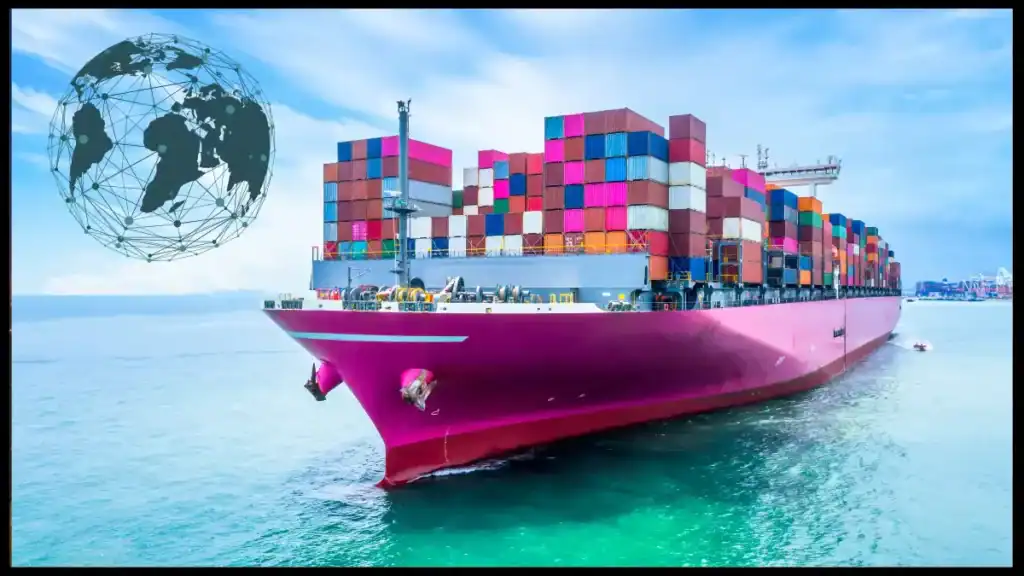
The container import equation is undergoing dramatic shifts. In the U.S., alarming signals suggest July’s modest growth may give way to a sharp decline. China, meanwhile, is showing new strength, while Germany, Japan, and South Korea offer mixed readings, some softening, others holding steady amid trade tensions. This snapshot captures where demand is faltering and where resilience is emerging and what it means for shipping lines, ports, and logistics backers globally.
Container Import Trends in Top Markets
Country
Recent Trend
Drivers
Bottom-Line Effect
United States
Warning signs of steep decline after July’s tariff-driven pull-forward; forecast second-half volume drop of ~17%.
Inventory restocking ahead of tariffs, followed by expected normalization and demand drop-off.
📉 Significant risk to liner earnings, port and inland logistics margins in Q4; planning flexibility critical.
China
Imports surged ~44% month-on-month in July to highest since January.
Tariff reprieve ahead of hikes, manufacturing rebound, restocking for seasonal demand.
📈 Boosts shipping demand into Asia; supports carriers and volumes on Asia-centered trades.
Germany
Imports down ~3.8% in May; export projections flat/slightly negative.
Weaker industrial demand, trade tensions, slowing European growth.
📉 Pressure on port revenues and freight volumes; cost advantage to peers with stable flows.
Japan
July imports down 7.5% YoY; exports down 2.6%; U.S.-bound shipments declined 10%.
Tariffs pressure exports, auto sector weakens, regional trade adjustments.
📉 Weakness dampens demand for container supply lines; carriers need lean deployment strategies.
South Korea
Imports rose ~2% in July after June’s +3.3%; export outlook slowing due to U.S. tariffs.
Tech demand steady but U.S. tariff pressures weigh on export capacity.
↔ Mixed signal — modest support for shipping flows but uncertainty on horizon; transient benefits only.
Note: Data based on latest trade reports, port statistics, and expert analysis. Table offers a high-level view of container import pulse across major markets.
Industry Impact Overview:
We’ve been tracking how container imports are shifting across the world’s top five markets, and the patterns couldn’t be more telling. The U.S. looks fragile with talk of a potential import collapse, while China’s surge shows how demand can rebound quickly under the right conditions. Europe’s softness, Japan’s tariff drag, and Korea’s mixed performance remind us that no single region can shoulder global trade alone. What we see is a global market where resilience in one place is often offset by weakness elsewhere and that balance is what really shapes the bottom line for carriers, ports, and logistics players.
Key Impacts:
We’ve seen volatility become the new normal, with tariff front-loading, sanctions, and geopolitics driving swings in demand.
China’s rebound provides a short-term boost to carriers, but it doesn’t erase the fragility we see in other regions.
European weakness highlights structural challenges that won’t be solved by a single quarter’s shift in demand.
Japan and Korea illustrate how tariff policy creates ripple effects that move well beyond bilateral trade.
Stakeholders need agility locking in capacity discipline and risk management as trade flows remain unpredictable.
Reading Between the Import Lines
Theme
Emerging Development
Stakeholder Implication
Risk Diversification
US weakness and Chinese resilience underline the need for diversified routing and customer bases.
📈 Carriers with balanced exposure across regions hold steadier earnings. 📉 Single-market reliance leaves operators exposed.
Inland Logistics Strain
Even where import growth is strong, ports face bottlenecks in trucking, rail, and warehousing.
📈 3PLs and asset providers benefit from demand. 📉 Shippers pay more to secure reliable inland capacity.
Trade Policy Uncertainty
Tariffs and sanctions continue to distort normal seasonality, especially in the US, Japan, and EU markets.
📈 Short-term arbitrage opportunities for agile players. 📉 Long-term planning becomes more difficult for carriers and BCOs.
Financial Risk Pricing
Banks and insurers factor in rising geopolitical and demand risks when financing shipping projects.
📈 Risk-advisory and compliance services gain traction. 📉 Higher cost of capital for some trades.
Strategic Positioning
Carriers are reassessing network design, balancing Gulf, Asia, and European gateways to stay resilient.
📈 Ports and regions positioned as alternatives (e.g., Gulf Coast, Southeast Asia) attract new calls. 📉 Legacy hubs risk lost share if congestion or demand drops persist.
Note: Information derived from trade statistics, port updates, and reputable maritime industry reporting. This table highlights secondary ripple effects rather than restating headline import numbers.