Leaking Profits: 19 Fuel Losses Shipowners Can’t Afford to Ignore
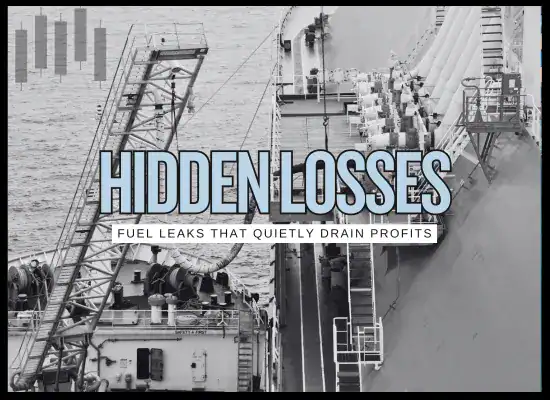
Fuel is the single largest operating cost for most ships. It can take up half of a voyage’s expenses. Yet shipowners keep losing millions each year not because fuel is expensive, but because too much of it slips away through hidden inefficiencies. From ships idling at anchorages to hull fouling that adds drag, these “invisible leaks” add up quickly. Here are the first places where those losses hide, and why they drain profits when left unchecked.
💡 Note: This quick Fuel Profit Loss Calculator is designed to give shipowners real, accurate estimates of potential savings. If you’d like to review the full list of all 19 fuel loss factors, simply scroll past the calculator.
1️⃣ Idle Waiting at Anchorage
➕ Expand details
⚓ What’s happening
Vessels frequently steam at full speed only to wait at anchorage. This “hurry up and wait” scenario consumes hundreds of tons of fuel annually across global fleets. Poor communication between ports, terminals, and operators magnifies the problem.
📉 Why it drains fuel
- Engines kept running for power and maneuverability during waiting periods.
- Higher emissions that generate compliance costs under carbon pricing schemes.
- Lost opportunity to plan slow steaming and avoid idle burn.
🔎 Signals to watch
- Frequent port congestion reports in AIS tracking data.
- Voyage analysis showing high idle time versus actual sailing days.
- Fuel logs with high consumption but no cargo handling activity.
👥 Implications by stakeholder
- Shipowners: Rising OPEX with no revenue gain.
- Charterers: Higher bunker adjustment factors (BAFs) passed down in contracts.
- Ports: Loss of reputation as inefficient gateways.
Note: Digital port call optimization and Just-In-Time arrival programs can reduce idle waiting dramatically.
2️⃣ Inefficient Routing
➕ Expand details
⚓ What’s happening
Many ships still rely on traditional route planning or outdated data. Without real-time weather, current, and congestion information, vessels may sail longer routes or into rough seas that increase resistance and fuel burn.
📉 Why it drains fuel
- Longer distances directly translate to higher bunker consumption.
- Rough weather increases drag and fuel requirements.
- Lack of predictive data means missed opportunities for fuel savings.
🔎 Signals to watch
- Voyages consistently exceeding estimated distances or durations.
- High bunker variance between sister ships on similar routes.
- Reports of repeated weather delays without routing adjustments.
👥 Implications by stakeholder
- Shipowners: Higher voyage costs erode margins.
- Charterers: Freight competitiveness suffers when fuel surcharges rise.
- Ports: Inconsistent arrival times complicate berth scheduling.
Note: Modern voyage optimization software can cut fuel use by 5–10 percent on long-haul trades.
3️⃣ Slow Response to Port Delays
➕ Expand details
⚓ What’s happening
When a port delay is known but not communicated quickly, vessels continue steaming at higher speeds. They burn more fuel than necessary, arriving early to wait outside.
📉 Why it drains fuel
- High-speed steaming consumes exponentially more fuel.
- Time lost waiting nullifies the benefit of faster sailing.
- Extra emissions increase regulatory and carbon cost exposure.
🔎 Signals to watch
- Patterns of early arrivals followed by long anchorage times.
- Lack of integration between voyage planning and port scheduling data.
- Fuel logs showing spikes in consumption before port entry.
👥 Implications by stakeholder
- Shipowners: Rising bunker costs with no productivity gain.
- Charterers: Higher voyage costs that reduce competitiveness.
- Ports: Congestion worsens as ships pile up outside harbors.
Note: Sharing real-time port updates with vessels enables slow steaming and lower bunker consumption.
4️⃣ Suboptimal Speed Management
➕ Expand details
⚓ What’s happening
Ships that switch frequently between high speeds and slow steaming, or maintain speeds that do not align with port readiness, end up consuming more fuel overall. Speed adjustments that are poorly timed add wear on engines and reduce efficiency.
📉 Why it drains fuel
- Fuel consumption rises exponentially at higher speeds.
- Slow steaming without engine optimization can cause incomplete combustion and higher maintenance needs.
- Unnecessary accelerations and decelerations create avoidable fuel spikes.
🔎 Signals to watch
- Large speed variance across single voyages without port justification.
- Engine logs showing higher-than-expected specific fuel oil consumption (SFOC).
- Performance monitoring revealing higher wear on propulsion systems.
👥 Implications by stakeholder
- Shipowners: Higher OPEX and shorter engine overhaul cycles.
- Charterers: Increased bunker costs with no time advantage.
- Ports: Early arrivals create congestion rather than efficiency.
Note: Consistent slow steaming with engine tuning saves fuel and reduces emissions significantly.
5️⃣ Hull Fouling
➕ Expand details
⚓ What’s happening
Barnacles, algae, and biofilms attach to hull surfaces. These create drag, slowing the vessel and demanding more propulsion power for the same speed. Warmer seas and longer port stays accelerate fouling rates.
📉 Why it drains fuel
- Slime layers alone can increase fuel use by 10 percent.
- Heavy fouling may push consumption 20–30 percent higher.
- Extra drag raises carbon emissions and compliance costs.
🔎 Signals to watch
- Performance degradation even after engine tuning.
- Higher-than-expected fuel consumption on repeated voyages.
- Vessel tracking showing reduced speed at same RPM.
👥 Implications by stakeholder
- Shipowners: Rising OPEX and shorter dry-docking intervals.
- Charterers: Less competitive voyage costs on the same routes.
- Ports: Higher emissions around anchorages and berths.
Note: Modern antifouling coatings and underwater ROV inspections provide measurable ROI by reducing drag.
6️⃣ Propeller Roughness or Cavitation Damage
➕ Expand details
⚓ What’s happening
Cavitation, surface roughness, and biofouling on propeller blades disrupt smooth water flow. This reduces propulsive efficiency and can cause vibration that accelerates wear. Propellers often accumulate hidden damage between dry-dock intervals.
📉 Why it drains fuel
- Efficiency losses of 5–10 percent are common with rough or damaged blades.
- Higher RPMs are required to maintain speed, increasing consumption.
- Unaddressed cavitation damage worsens over time, compounding losses.
🔎 Signals to watch
- Performance monitoring showing higher fuel use at the same speed.
- Increased vibration or noise levels in propulsion systems.
- Reduced thrust efficiency measured during sea trials or inspections.
👥 Implications by stakeholder
- Shipowners: Higher fuel bills and increased repair costs.
- Charterers: Lower competitiveness due to bunker surcharges.
- Ports: More emissions per call as efficiency drops.
Note: Regular propeller polishing and monitoring deliver quick payback, often within a single voyage cycle.
7️⃣ Engine Underperformance
➕ Expand details
⚓ What’s happening
Main engines drift from optimal settings between overhauls. Injector wear, turbo fouling, charge-air cooler scaling, and incorrect timing increase fuel per kilowatt. Sensors that read poorly hide the problem until the bunker bill arrives.
📉 Why it drains fuel
- Higher SFOC for the same shaft power output.
- Reduced turbocharger efficiency increases backpressure and fuel demand.
- Dirty air and fuel filters lower combustion quality and raise consumption.
🔎 Signals to watch
- Rising SFOC compared with maker baselines at like-for-like loads.
- Exhaust temperature imbalance across cylinders.
- Frequent engine alarms tied to air, fuel, or lube conditions.
👥 Implications by stakeholder
- Shipowners: Higher fuel spend and more frequent unplanned maintenance.
- Charterers: Less competitive voyage economics on fixed rates.
- Ports: Higher emissions intensity during maneuvers and hoteling.
Note: On-condition maintenance, cylinder pressure analysis, and periodic turbo cleaning restore efficiency and lower SFOC quickly.
8️⃣ Auxiliary Generator Inefficiencies
➕ Expand details
⚓ What’s happening
Auxiliary engines are kept online for redundancy and convenience. They often operate at low load fractions where fuel curves are inefficient. Cooling water and hotel loads fluctuate and crews do not always rebalance.
📉 Why it drains fuel
- Low load operation increases grams per kWh compared with optimal bands.
- Parallel operation without smart load sharing duplicates losses.
- Unnecessary hotel loads drive continuous generation that is not needed.
🔎 Signals to watch
- Average generator load consistently below the maker efficient band.
- Multiple gensets online with combined load that one unit could handle safely.
- Port stays with high auxiliary fuel despite stable conditions.
👥 Implications by stakeholder
- Shipowners: Avoidable fuel and lube costs over a full year of port calls.
- Charterers: Higher port stay expenses reduce net daily earnings.
- Ports: Elevated local emissions near terminals.
Note: Define target load bands, use automatic load sharing, shed noncritical hotel loads, and shut down surplus gensets when safe.
9️⃣ Inaccurate Fuel Flow Meters
➕ Expand details
⚓ What’s happening
Older positive displacement or turbine meters fall out of calibration. Piping layouts allow air ingress during bunkering and transfers. Uncompensated temperature and density produce incorrect mass flow values.
📉 Why it drains fuel
- Incorrect readings hide real consumption trends and delay corrective action.
- Volume measurements without temperature correction understate or overstate usage.
- Air in lines inflates indicated volume during bunkering and transfers.
🔎 Signals to watch
- Mismatch between tank soundings, noon reports, and meter totals.
- Sudden step changes in reported consumption without mechanical cause.
- Frequent disputes at bunkering tied to delivery volume and density.
👥 Implications by stakeholder
- Shipowners: Fuel loss goes undetected and KPIs become unreliable.
- Charterers: Difficulty validating bunker adjustment factors and claims.
- Ports: Disputes at the berth slow operations and increase risk.
Note: Use mass flow meters with temperature and density compensation where feasible. Calibrate on schedule and verify with reconciled tank soundings.
1️⃣0️⃣ Quantity Disputes (“Cappuccino Effect”)
➕ Expand details
⚓ What’s happening
When fuel is pumped with entrained air, meters register higher volumes than actual liquid delivered. This practice, often called the “cappuccino effect,” has been a recurring source of disputes between suppliers and owners.
📉 Why it drains fuel
- Air displaces liquid volume, overstating bunker delivery.
- Owners pay for inflated quantities that are never usable.
- Disputes take time, delay voyages, and erode trust with suppliers.
🔎 Signals to watch
- Foaming or bubbling observed at tank soundings.
- Significant variance between flow meter totals and manual tank measurements.
- Delivery periods with abnormal pump noise or fluctuating pressure.
👥 Implications by stakeholder
- Shipowners: Loss of thousands of dollars per delivery if undetected.
- Charterers: Disputes cause delays and undermine confidence in contracts.
- Ports: Higher risk of congestion from extended bunker disputes.
Note: Independent bunker surveyors and calibrated mass flow meters reduce the risk of cappuccino fraud.
1️⃣1️⃣ Temperature and Volume Shrinkage
➕ Expand details
⚓ What’s happening
Bunker deliveries are often recorded by volume at elevated temperatures. As fuel cools in storage tanks, density increases and volume contracts. Without mass-based measurements, owners may lose a measurable portion of paid fuel.
📉 Why it drains fuel
- Volume can shrink 1–2 percent as temperatures normalize.
- Losses are significant when scaled to hundreds of tons per bunkering.
- Volume-only transactions favor the seller when deliveries are hot.
🔎 Signals to watch
- Delivery tickets listing volume without temperature or density data.
- Tank soundings showing less fuel than invoices suggest after cooling.
- Discrepancies between volume-based and mass-based bunker reports.
👥 Implications by stakeholder
- Shipowners: Annual losses that accumulate into six-figure costs for a fleet.
- Charterers: Higher voyage costs when bunker consumption exceeds billed fuel.
- Ports: Risk of disputes at berth if invoices are contested.
Note: Mass flow meters with automatic temperature correction ensure accuracy in bunker transactions.
1️⃣2️⃣ Unmonitored Transfers
➕ Expand details
⚓ What’s happening
Ships routinely transfer fuel between storage, settling, and service tanks. If transfers are unmonitored, leaks, overflows, or evaporation losses occur. In some cases, unauthorized siphoning goes unnoticed due to poor oversight.
📉 Why it drains fuel
- Losses accumulate through leaks, evaporation, or handling errors.
- Fuel theft can be hidden within poorly documented transfers.
- Inaccurate records complicate carbon and efficiency reporting.
🔎 Signals to watch
- Transfer logs with missing or inconsistent data.
- Tank soundings that do not reconcile with transfer records.
- Unexpected consumption spikes after routine tank movements.
👥 Implications by stakeholder
- Shipowners: Fuel losses that reduce profitability and accountability.
- Charterers: Higher voyage costs when unrecorded losses inflate consumption.
- Ports: Greater risk of spillage or pollution events during sloppy transfers.
Note: Continuous monitoring and independent auditing of internal transfers cut hidden losses and increase accountability.
1️⃣3️⃣ Fuel Theft
➕ Expand details
⚓ What’s happening
Bunker volumes are vulnerable at multiple points. Unauthorized tapping of fuel lines, falsified records, and collusion during bunkering operations all contribute to theft. In high-cost fuel markets, even small quantities stolen can add up quickly.
📉 Why it drains fuel
- Losses directly inflate voyage costs and reduce margins.
- Theft undermines confidence in reported consumption figures.
- Insurance claims often do not cover stolen fuel.
🔎 Signals to watch
- Discrepancies between tank soundings and bunker delivery notes.
- Unexplained consumption spikes after bunkering or transfers.
- Repeated disputes over bunker volume in certain ports.
👥 Implications by stakeholder
- Shipowners: Direct financial losses and reduced trust in crew reporting.
- Charterers: Higher bunker costs passed through time charter agreements.
- Ports: Risk of reputational damage if seen as hotspots for bunker fraud.
Note: Mass flow meters, sealed transfer lines, and independent bunker surveyors reduce theft opportunities.
1️⃣4️⃣ Poor Trim and Ballast Management
➕ Expand details
⚓ What’s happening
Ballast adjustments and trim optimization are not always prioritized. Ships that sail with suboptimal drafts or poor trim angles create additional resistance. Lack of real-time monitoring tools or training compounds the problem.
📉 Why it drains fuel
- Excess ballast water increases displacement and drag.
- Poor trim settings raise resistance at the bow or stern.
- Engines burn more fuel to maintain service speed.
🔎 Signals to watch
- Fuel performance varies widely across similar voyages.
- Trim optimization tools are available but rarely used by crew.
- Ballast operations logged without correlation to efficiency metrics.
👥 Implications by stakeholder
- Shipowners: Lost fuel savings opportunities equal to 2–5 percent of annual bunker costs.
- Charterers: Higher voyage costs when fuel surcharges climb.
- Ports: More ballast water discharge risks and compliance concerns.
Note: Dynamic trim optimization systems and crew training programs yield measurable efficiency gains.
1️⃣5️⃣ Inefficient Cargo Planning
➕ Expand details
⚓ What’s happening
Cargo distribution affects how a ship sits in the water. Uneven stowage creates trim imbalances and greater drag. Cargo planning that does not integrate with fuel optimization models leads to waste over long voyages.
📉 Why it drains fuel
- Imbalanced cargo raises resistance at certain drafts.
- Improper stowage increases displacement beyond what is required.
- Fuel performance KPIs fail to align with theoretical models.
🔎 Signals to watch
- Voyages with higher-than-expected bunker consumption despite favorable weather.
- Trim and stability adjustments required after departure.
- Crew feedback indicating handling differences under similar cargo conditions.
👥 Implications by stakeholder
- Shipowners: Higher bunker bills and increased wear on propulsion.
- Charterers: Lost competitiveness from higher cost per ton-mile.
- Ports: More time spent adjusting ballast or cargo at berth.
Note: Integrated cargo planning software aligned with trim optimization tools provides measurable savings.
1️⃣6️⃣ Crew Habits
➕ Expand details
⚓ What’s happening
Ship systems often remain running at higher loads than necessary. Poor helm practices, unnecessary use of auxiliary engines, and lack of training in eco-sailing contribute to wasted fuel. Without a fuel-conscious culture onboard, efficiency measures fall short.
📉 Why it drains fuel
- Hotel loads kept high due to unnecessary systems running.
- Poor maneuvering in ports leads to excessive fuel burn.
- Lack of consistent energy-saving routines across shifts.
🔎 Signals to watch
- Differences in daily consumption across shifts on the same route.
- Auxiliary engines online during low load conditions.
- Limited use of trim or voyage optimization tools.
👥 Implications by stakeholder
- Shipowners: Avoidable fuel losses across the fleet.
- Charterers: Higher daily hire costs as fuel adjustments climb.
- Ports: More emissions during port stays and approaches.
Note: Regular crew training and incentive programs create measurable improvements in energy efficiency.
1️⃣7️⃣ Data Blind Spots
➕ Expand details
⚓ What’s happening
Many ships still rely on noon reports and manual logs. These snapshots miss fuel spikes, idle periods, or routing inefficiencies. Modern monitoring tools exist but are not always installed or fully utilized, leaving blind spots in performance management.
📉 Why it drains fuel
- Hidden consumption during maneuvering, idling, and port delays.
- No baseline data to compare across vessels or voyages.
- Reactive decisions based on incomplete reporting instead of real-time data.
🔎 Signals to watch
- Large gaps between estimated and actual bunker consumption.
- Fleet performance benchmarks missing or inconsistent.
- Frequent disputes with charterers over reported fuel use.
👥 Implications by stakeholder
- Shipowners: Lost savings opportunities across the fleet.
- Charterers: Lower confidence in fuel performance claims.
- Ports: Harder to manage emissions compliance reporting.
Note: Deploying real-time monitoring with IoT sensors and analytics transforms blind spots into actionable savings.
1️⃣8️⃣ Late or Poor EU ETS/Carbon Compliance
➕ Expand details
⚓ What’s happening
The EU Emissions Trading System requires shipping companies to track, verify, and surrender allowances for emissions. Incomplete reporting, late submissions, or underestimating exposure result in penalties and forced purchases at higher market prices.
📉 Why it drains fuel
- Fuel waste directly increases carbon allowance costs.
- Late allowance purchases often mean paying peak market prices.
- Errors in MRV (Monitoring, Reporting, Verification) trigger penalties and audits.
🔎 Signals to watch
- High bunker use not matched with sufficient carbon allowances.
- Reporting gaps identified during third-party verification.
- Allowance shortages flagged late in the compliance cycle.
👥 Implications by stakeholder
- Shipowners: Higher carbon costs and potential fines.
- Charterers: Disputes over who pays for compliance shortfalls.
- Ports: Increased scrutiny of vessels with poor compliance records.
Note: Proactive allowance planning and tighter fuel efficiency lower both bunker bills and ETS costs.
1️⃣9️⃣ Low-Sulphur Fuel Switchover Losses
➕ Expand details
⚓ What’s happening
When vessels enter ECAs, tanks and lines must be flushed to ensure sulphur compliance. This leads to mixing losses as compliant and non-compliant fuels blend. Without careful planning, more fuel is wasted than necessary during each switchover.
📉 Why it drains fuel
- Mixing losses render several tons of fuel unusable per switchover.
- Frequent entries into ECAs multiply the waste across voyages.
- Poor scheduling increases the number of transitions required.
🔎 Signals to watch
- High volumes of off-spec fuel after switchover.
- Frequent flushing recorded in fuel logs.
- Voyage plans not optimized to minimize ECA entries.
👥 Implications by stakeholder
- Shipowners: Higher bunker costs and more waste.
- Charterers: Added voyage expenses when fuel surcharges rise.
- Ports: More contaminated slops to handle and dispose of.
Note: Careful voyage planning and dedicated compliant fuel tanks reduce waste during fuel switches.
When we add them up, these 19 overlooked losses are not small leaks, they are wide-open drains on profitability. We have seen that fuel waste comes from every layer of operations: from poor routing decisions at sea, to unnoticed equipment wear, to reporting gaps that hide the true picture. Shipowners who address even a few of these blind spots can reclaim significant savings each year. The message is simple. Pay attention to the details, measure what matters, and turn invisible fuel losses into visible profits.
We welcome your feedback, suggestions, corrections, and ideas for enhancements. Please click here to get in touch.