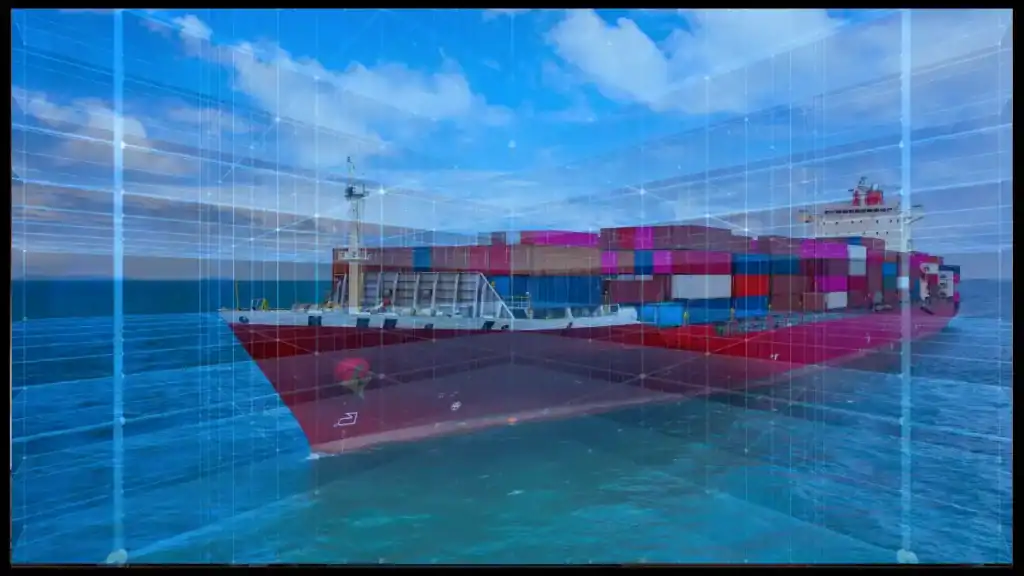
Maritime autonomy is emerging as one of the most transformative forces in modern shipping and naval strategy. Advances in uncrewed vessels, artificial intelligence, and sustainable propulsion are reshaping how fleets are built, deployed, and maintained. Industry leaders view autonomy as a pathway to safer operations, lower costs, and enhanced resilience across global sea lanes. At the same time, the journey is marked by setbacks and growing pains, from reliability questions to regulatory hurdles. Recent developments, outlined below, show how both breakthroughs and failures are defining this critical turning point for the industry.
Maritime Autonomy Strategic Developments
Theme
Recent Action
Immediate Impact
Forward Outlook
U.S. Navy Drone Test Failures
Autonomous drone boats collided and capsized support craft during recent tests; contract with L3Harris paused.
Raised concerns about reliability and delayed further acquisition until fixes are introduced.
Command and control systems must be hardened before scaling programs further.
Industry Standards Collaboration
ABS and Saronic signed an MoU to develop classification and technical standards for ASVs.
Builds a framework for safe operation and wider adoption of uncrewed surface vessels.
Could accelerate regulatory approval and investor confidence in autonomy projects.
Tactical Autonomy Integration
Turkey tested VTOL drones working in tandem with unmanned surface vessels for joint missions.
Expanded surveillance and tactical coordination demonstrated operational viability.
Multidomain integration is becoming a key feature of modern naval planning.
Green Autonomy Development
PBO Marine announced construction of a solar- and wind-powered USV.
Signaled commitment to sustainable maritime autonomy solutions.
Eco-friendly uncrewed fleets may become attractive to both regulators and operators.
Provided assurance that advanced uncrewed vessels can meet established safety benchmarks.
Likely to boost investor and operator trust in certified autonomy platforms.
Leidos Strategic Pivot
Leidos leadership confirmed a major push into maritime autonomy, leveraging its acquisitions and in-house projects like Sea Dart and LAVA.
Positions Leidos as a vertically integrated autonomy provider with design, AI, and naval engineering expertise.
Expected to reshape competition and consolidate autonomy capabilities under one roof.
Note: Information is based on verified company press releases, defense updates, and industry reporting.
Industry Impact Overview
The rapid advance of maritime autonomy is starting to influence not only naval operations but also commercial shipping, regulation, and workforce dynamics. As autonomous vessels move closer to mainstream deployment, ripple effects are being felt across insurance markets, training pipelines, and supply chain strategies. These shifts show that autonomy is not just a technological trend but a structural change in how the maritime sector organizes and invests.
Key Impacts
Insurance Adaptation: Underwriters are drafting new frameworks to account for reduced human error but heightened cyber and systems risks.
Crew Training Shifts: Maritime academies are introducing courses in remote vessel management, sensor interpretation, and AI oversight.
Regulatory Evolution: Flag states and class societies are accelerating work on safety codes for uncrewed ships, closing gaps in international conventions.
Supply Chain Efficiency: Autonomous cargo handling and routing tools promise to cut costs but require integration with port automation.
Geopolitical Considerations: Nations adopting autonomy at scale gain leverage in contested waters, reshaping naval balance and trade security.
Industry Reactions to the Rise of Maritime Autonomy
Sector
Observed Response
Opportunities
Challenges
Insurance & Risk
Specialized war-risk and cyber-risk clauses emerging for uncrewed vessels.
Potential for reduced premiums if autonomy lowers collision and fatigue-related incidents.
Uncertainty over liability in accidents involving AI-controlled systems.
Maritime Education
Training academies piloting remote operations and digital watchkeeping modules.
New career paths in autonomy oversight and systems integration.
Resistance from traditional seafarer unions and regulatory lag.
Port & Logistics
Investments in smart ports and AI-linked berthing systems.
Streamlined cargo transfer and reduced turnaround times.
Integration complexity with legacy port infrastructure.
Defense & Security
Navies accelerating trials of uncrewed patrol craft and logistics drones.
Force multiplication and persistent surveillance capabilities.
Exposure to cyber warfare and electronic disruption.
Shipbuilding & Design
Shipyards incorporating autonomy-ready hulls and modular sensor suites.
Newbuild demand from both defense and commercial sectors.
Upfront costs and uncertain return on investment timelines.
Note: Validated sources including company press releases, classification society updates, and established industry reporting.