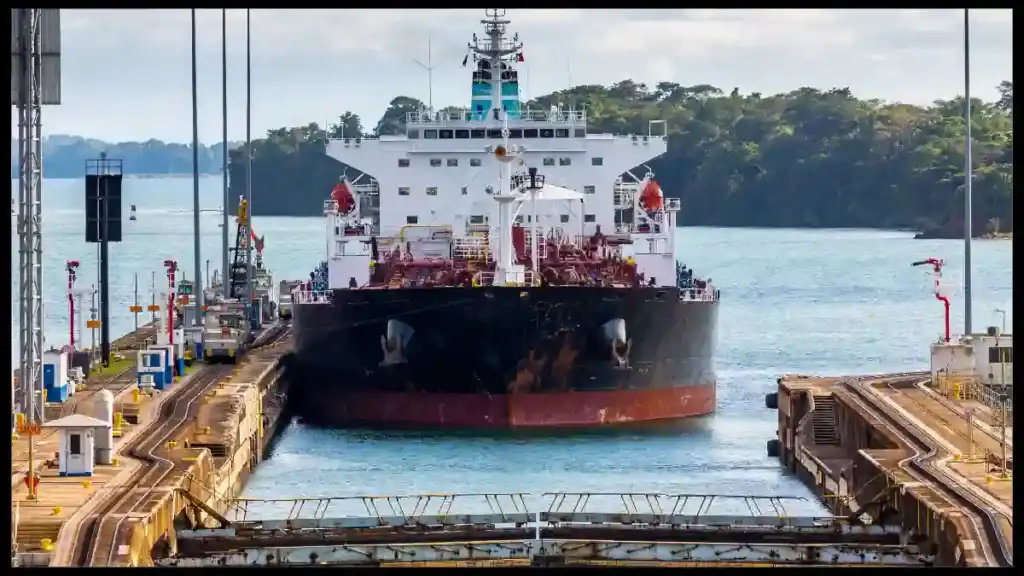
Strategic waterways are rarely quiet, but the past several days have brought a rare combination of infrastructure planning, political tension, and operational disruption. The Panama Canal is at the heart of it, with bold new terminal and pipeline projects on the drawing board, a high-stakes U.N. debate over foreign influence, and fresh reports of Chinese investment interest in port assets. Elsewhere, chokepoints in the Red Sea and Turkey’s Dardanelles have seen renewed focus, one due to ongoing maritime security risks and the other to a complete closure triggered by wildfires.
ACP is advancing plans for two canal-owned terminals (Atlantic & Pacific) tied by an LPG pipeline to enable trans-isthmus transfers without lock transits.
Adds capacity and resilience for gas flows during water constraints; diversifies ACP revenue and reduces lock dependence for LPG cargoes.
LPG traders (US–Asia lanes), tanker owners, and Panama-linked logistics providers.
U.S.–China clash over canal neutrality at the U.N.
🇺🇳 New York / 🇵🇦 Panama
At a UNSC maritime security debate, the U.S. warned about Chinese influence near canal operations; China and Panama reaffirmed neutrality and Panamanian sovereignty.
Elevates canal governance into great-power competition, with potential knock-on effects for concessions, port M&A, and security posture.
Global liner alliances, insurers, canal users, and investors in canal-area terminals.
COSCO eyes stake in Panama-linked port deal
🇨🇳 China / 🇵🇦 Panama
FT reports COSCO seeking a 20–30% stake in a multi-billion-dollar ports package that includes canal-area assets; subsequent coverage notes ongoing talks.
Signals renewed Chinese interest in strategic port footprints tied to a major chokepoint, with regulatory and geopolitical sensitivities.
Terminal operators, sovereign funds, ocean carriers, and compliance/risk teams tracking foreign-investment reviews.
Bab-el-Mandeb’s continuing strategic importance
🌍 Red Sea / Suez route
Trade and advisory updates continue to flag rerouting and elevated risk through the Red Sea corridor; carriers caution that disruptions will persist.
Keeps pressure on Suez-bound networks, schedule reliability, insurance costs, and East–West transit times.
Asia–Europe container services, product/crude flows, and charter markets exposed to longer Cape routings.
Dardanelles closures amid wildfires
🇹🇷 Türkiye
Authorities twice suspended traffic through the Dardanelles in recent days due to forest fires, temporarily impacting transits between the Aegean and Marmara.
Shows how non-military hazards can intermittently constrain a key gateway for Black Sea oil, grains, and fertilizers.
Black Sea exporters/importers, tanker and bulker operators, and commodity traders timing Bosphorus/Dardanelles slots.
Note: Entries reflect publicly reported developments; descriptions are confined to those reports without added speculation.
Industry Impact Overview:
Recent developments at the Panama Canal, Bab-el-Mandeb, and Dardanelles have highlighted the complexity of managing maritime chokepoints in a world where infrastructure expansion, geopolitical friction, and environmental hazards can converge within days. For shipping lines, commodity traders, and port operators, these events are more than headline news, they require scenario planning, flexible routing, and ongoing risk assessments.
Key Impacts:
Diversification of Canal Services: The Panama Canal Authority’s new port and pipeline plans could reduce lock dependency for certain cargo types, enhancing resilience during water shortages.
Heightened Geopolitical Scrutiny: U.S.–China tensions over canal neutrality may lead to tighter investment screening and influence operational policies at canal-adjacent terminals.
Strategic Asset Acquisition Moves: COSCO’s interest in Panama port stakes underscores that strategic maritime infrastructure remains a target for global investors despite geopolitical pushback.
Persistent Security Concerns in Red Sea Corridor: Bab-el-Mandeb disruptions continue to shape Asia–Europe routing strategies, with sustained insurance and schedule implications.
Environmental Hazards Affecting Access: Dardanelles closures from wildfires show that even non-conflict events can disrupt vital trade arteries for Black Sea commodities.
Operational & Strategic Shifts Triggered by Chokepoint Events
Emerging Shift
Primary Catalyst
Operational Effect
Strategic Outlook
Integrated Canal Logistics
Panama Canal port and LPG pipeline plan
New bypass route for LPG and potentially other cargo, easing pressure on lock scheduling.
Could set precedent for canal authorities globally to expand into value-added terminal services.
Investment Vetting Tightens
U.S.–China debate over canal neutrality
Potential for slower approval timelines for foreign stakes in strategic maritime infrastructure.
Might lead to parallel development of “friendly” investor blocs in critical ports.
Strategic Port Stake Acquisitions
COSCO’s interest in Panama port assets
Reinforces competition among state-backed carriers and port groups for chokepoint influence.
Likely to prompt counter-investment strategies from rivals in competing hubs.
Enduring Risk Premium in Red Sea
Ongoing Bab-el-Mandeb disruptions
Longer routes via Cape of Good Hope remain in contingency plans for carriers.
Could normalize higher base freight rates for Asia–Europe lanes.
Environmental Contingency Planning
Dardanelles wildfire closures
Temporary stoppages impact grain and oil shipments from the Black Sea.
May accelerate port and canal authorities’ investment in climate resilience measures.
Note: All shifts are derived from publicly reported events, based on confirmed maritime, government, and industry sources.
These chokepoint developments underline how quickly maritime dynamics can shift. Infrastructure upgrades, geopolitical positioning, and environmental disruptions are all influencing decisions on routing, investment, and partnerships. We see how these factors create both risks and opportunities, and we recognize that staying adaptable will be essential to navigate both short-term volatility and long-term structural changes shaping the movement of global trade.
Official Canal & Strait Authority Links
Quick access to government sites for status updates, notices to mariners, and rules